















The number one leading cause of failure in an academic class in the United States is not the lack of interest in the topic, getting landed with a teacher that doesn’t like you, or even forgetting to turn in assignments. It’s missing a single day of school. Every day, students at Nobles suffer profoundly as they bear the brunt of missing school and having to work thousands of hours to catch up.
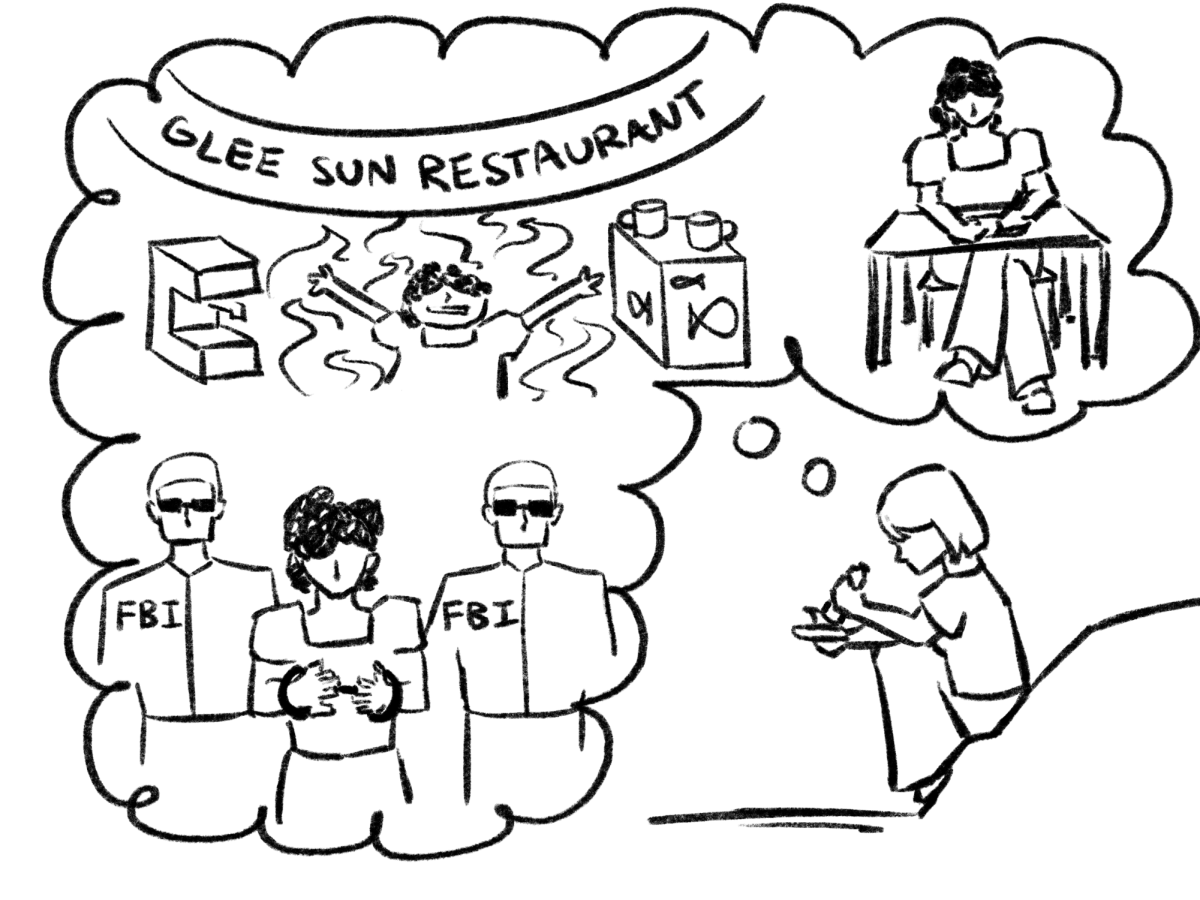
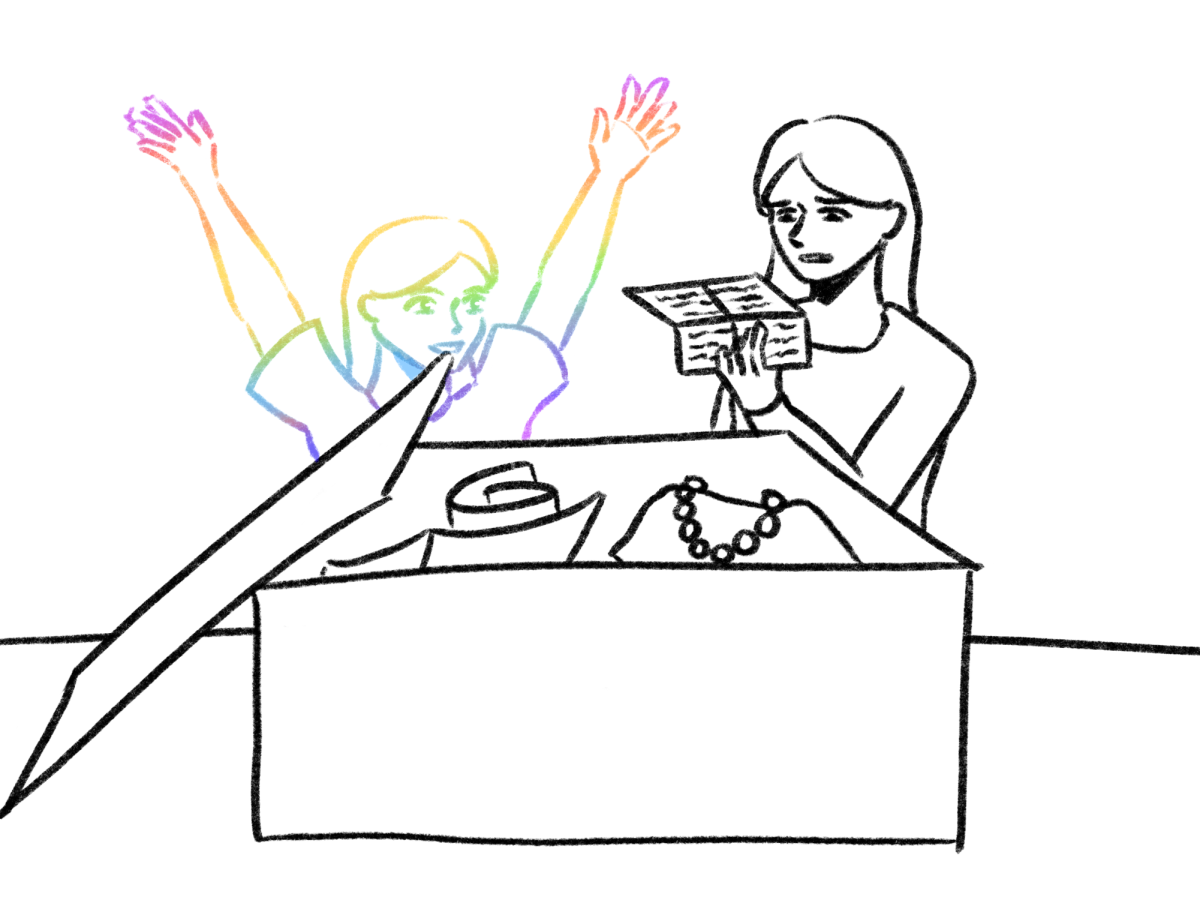
Whether it’s missing school because of a sports tournament, a conference, a family event, or severe illness, students constantly report feeling anxious about having to catch up on the work that they unwillingly missed. When sick, many students must choose between lying on their deathbed and showing up to school unable to focus. The decision to stay at home often entails missing at least 200 years of history, five units of a STEM class, a new verb tense in a modern language, and 15 chapters of reading in English.
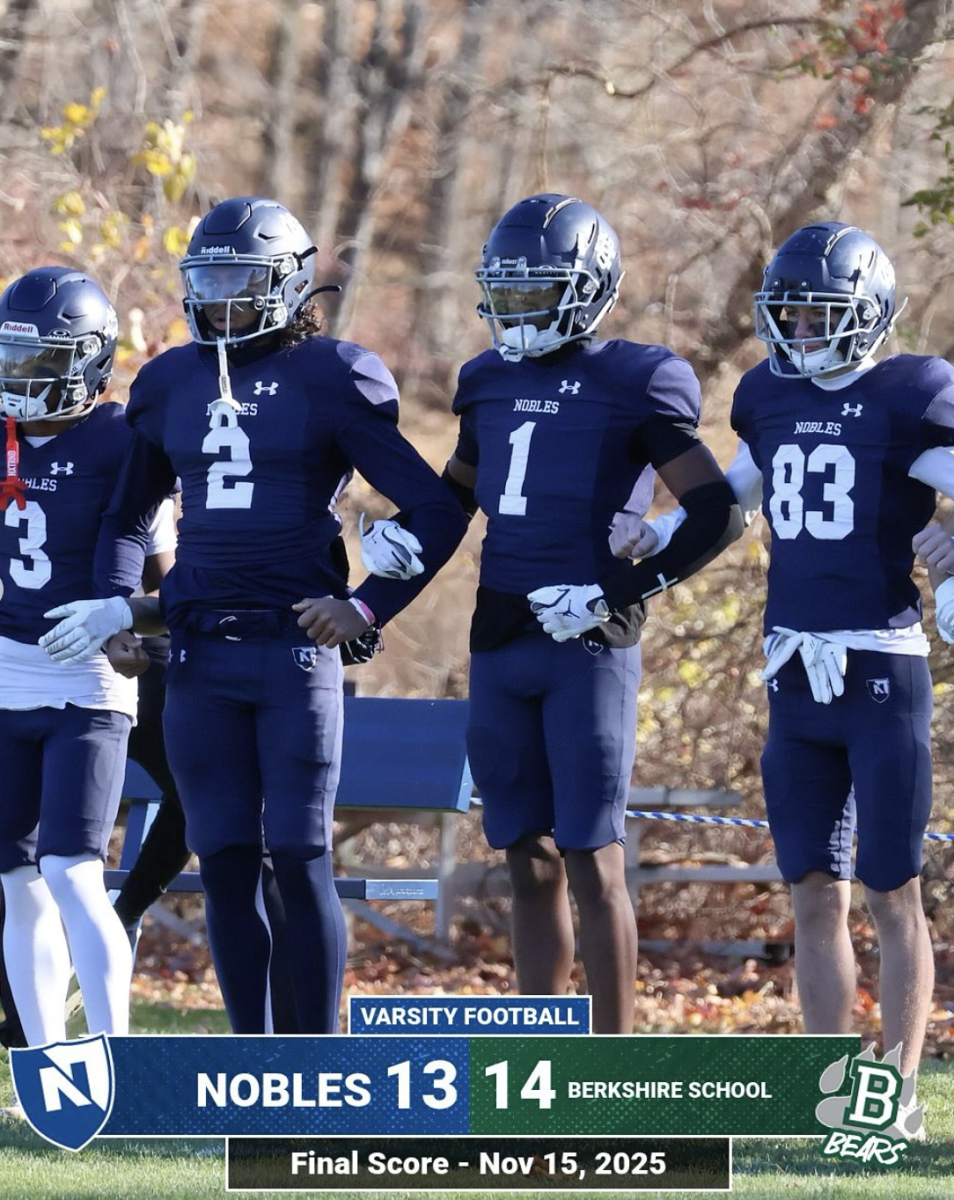
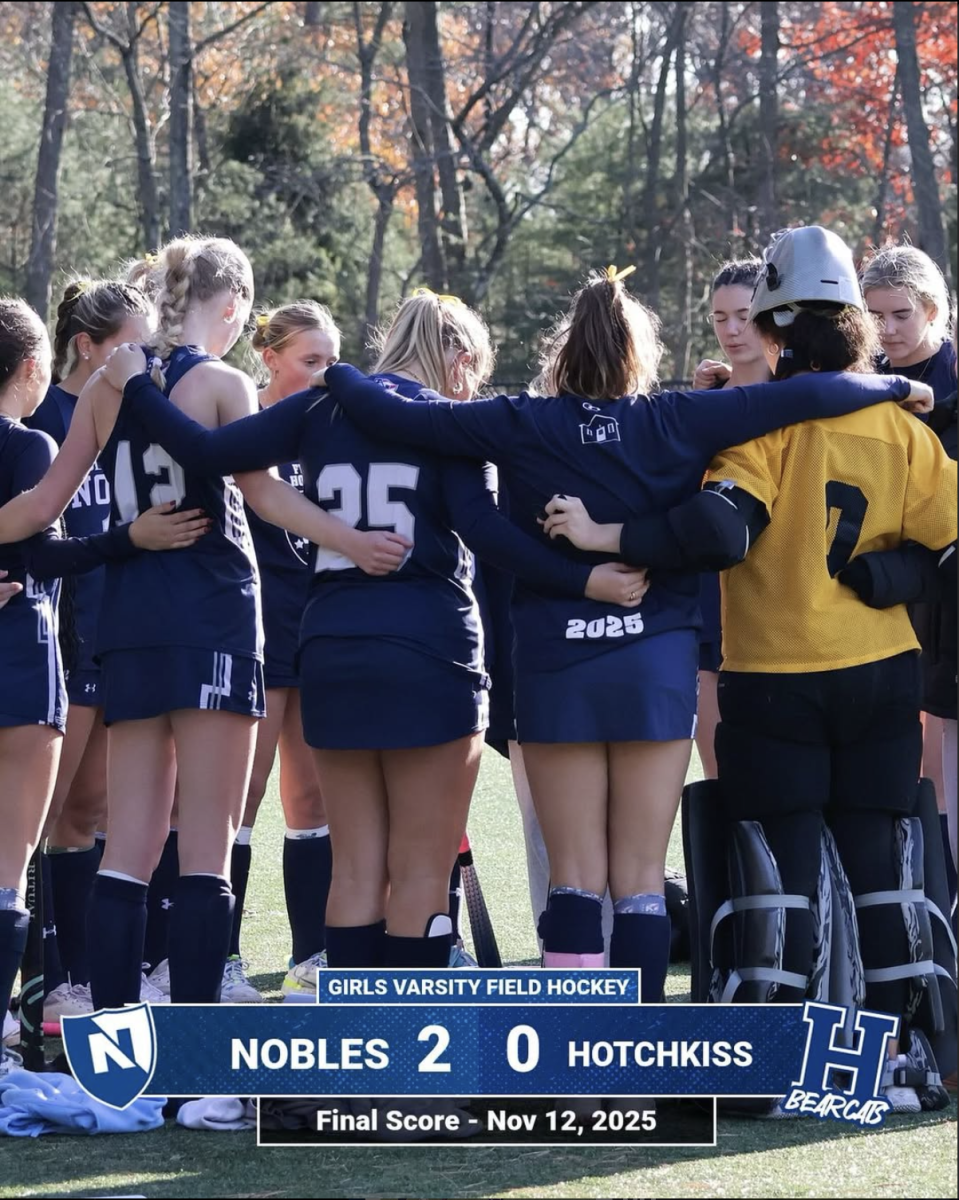
While this may be a slight exaggeration, many genuinely do feel this academic stress and pressure to push themselves to show up at school, even in cases where they could be suffering from a 110° fever. Talia Klevens (Class II) said, “Even when I’m really sick, I’ll come to school because I really don’t think it’s worth it.” In other instances, many students feel the same constraint when it comes to athletics and deciding between attending an important event for a sport or missing even just one day of school. Rohan Rao (Class II) said, “It’s hard when you’re at a tournament and you’re trying to focus on it, but then you have a bunch of homework to catch up on; it just adds a lot of extra stress.”
It’s a shame that when students do actually miss a day of school, it is all they can think about while they’re away. The added expectation for students to not just perform academically, but also beyond the classroom, is an inherent blasphemy. Especially when they already have to catch up in the classes that they missed. By that point, either a form of compensation should be paid to every student suffering from this dire affliction, or protective laws should be put in place, considering that this is basically just child labor.
Catching up before assessments is also becoming increasingly difficult for students, especially when they find themselves with overlapping assessments. After missing two days of school, Matthew Newman (Class I) said, “When teachers stop teaching new material and start preparing for the assessment, those are really important days for you to do well on your assessment. And I just missed those. So, I kind of felt a little bit behind. I think that at times, it can contribute to my anxiety when taking an assessment.“
The anticipation of stress itself plays a very significant role for many, and often leads to an increase in the same anxiety that contributes to the daily growing statistic of dropout students at Nobles. On average, 44 students drop out of Nobles every month because they missed one too many days of school and just couldn’t keep up anymore.
Despite what may seem like a small issue in the grand scheme of things, missing days of school truly does set students back and sends them into spirals of stress and procrastination that not only hurts their grades but also their confidence and mental health. Students should not have to feel as though they cannot afford to miss even one day of school to recover from an illness, celebrate a holiday with their family, or attend important extracurricular events. I think teachers can be helpful resources for students in this scenario by making sure materials are always posted on Canvas and continuing to be understanding support systems for students when they feel really under pressure.