





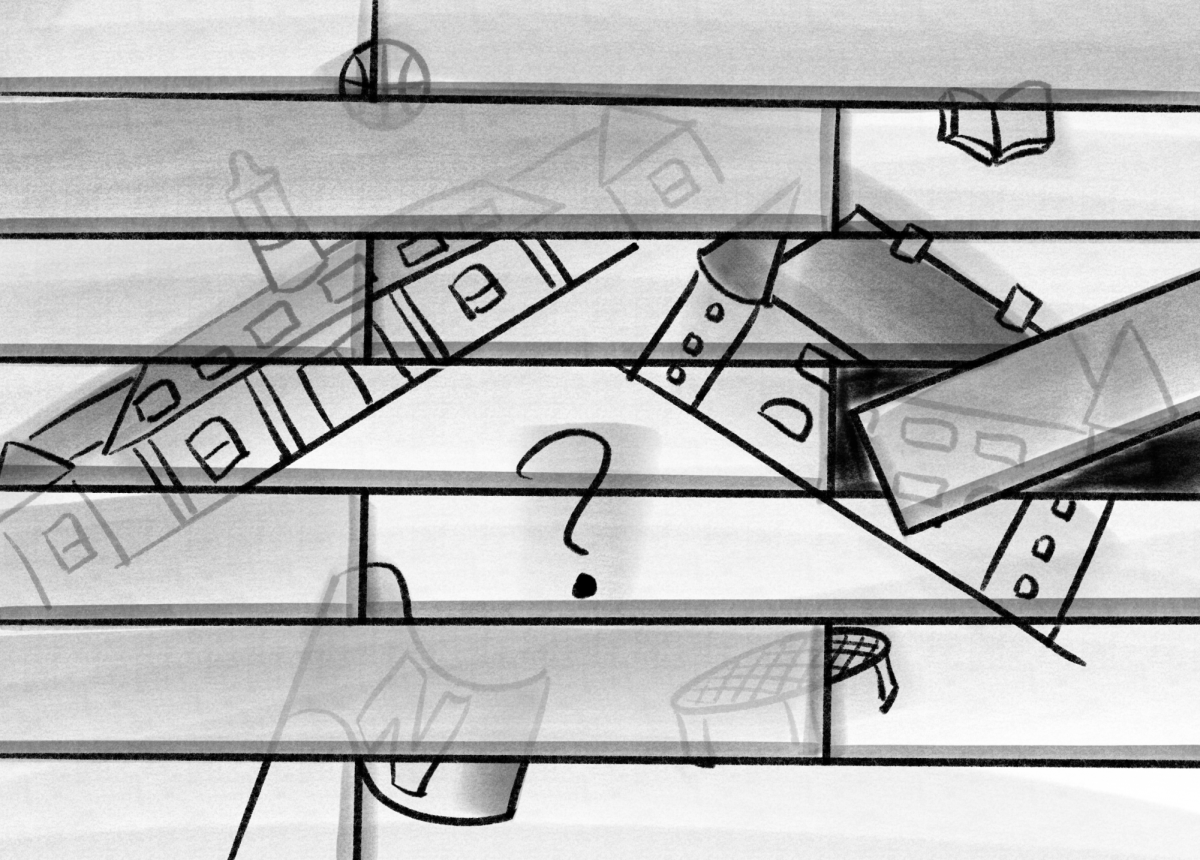
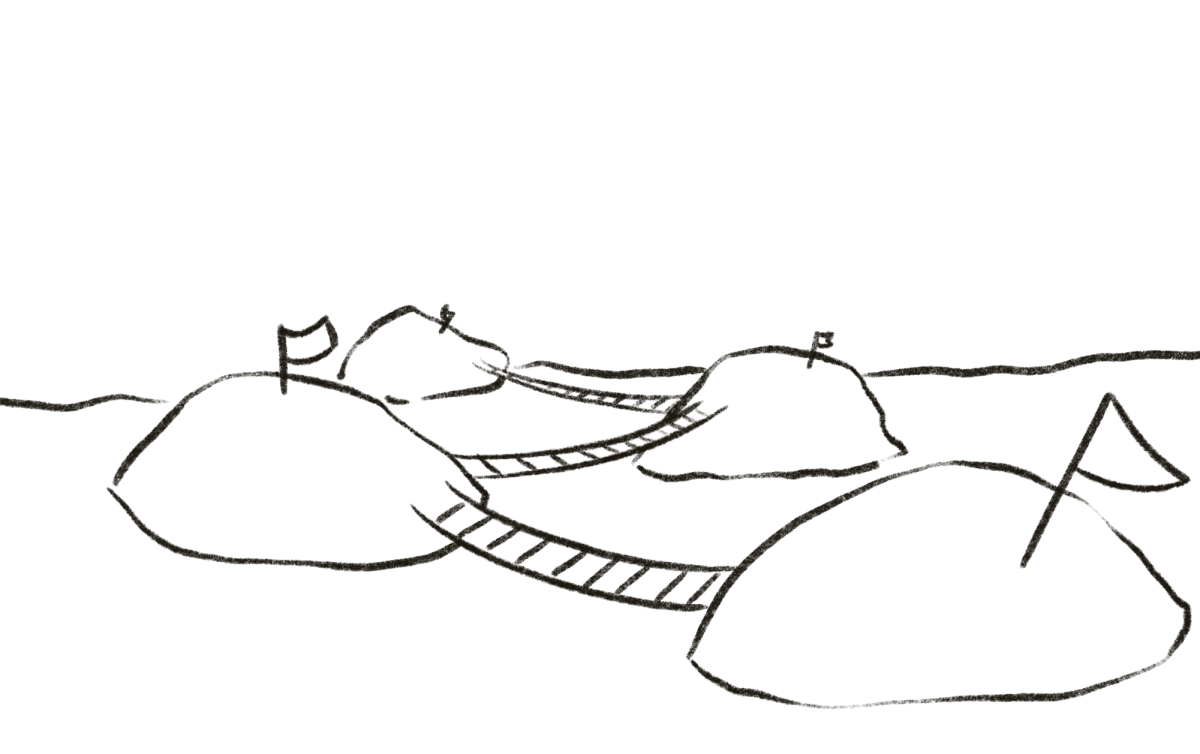





Have you ever thought about why Nobles offers a Personal Development (PD) curriculum? Why are PD courses taught in the order that they are? For the first time in years, PD teachers have redesigned the Class II PD curriculum to create a discussion-based space to talk about identity. In doing so, they hope to redesign the Class IV curriculum by moving around the order of each PD course taught among each grade. In the past, the placement of each course was thoughtfully spaced out in order of relevance to each grade (7–12); however, in recent months, it has become clear that this applicability may not be as fitting anymore. This is what caused the drastic switch in curriculum for juniors this year, as teachers saw them as the perfect group to test a new course with.
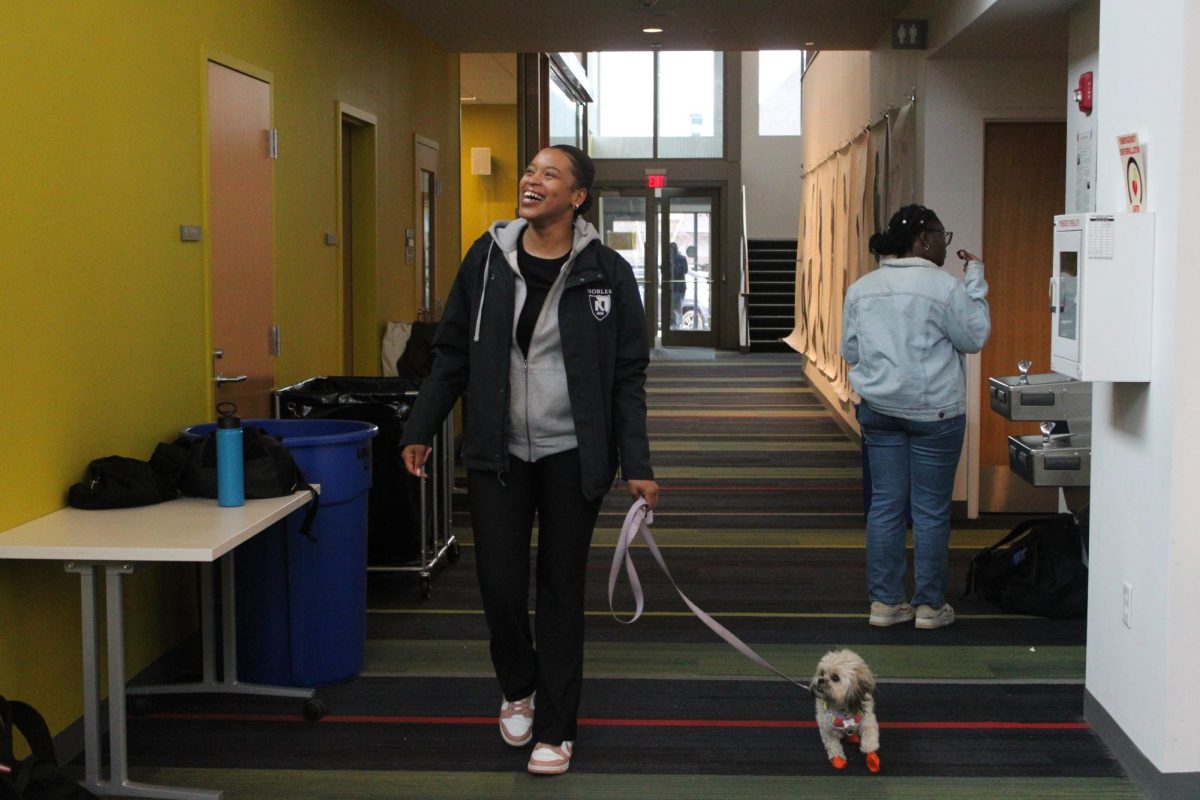
PD teachers such as School Counselor LaTasha Sarpy, Co-Director of Putnam Library Talya Sokoll, and Mathematics Faculty and Middle School Dean and Director Efe Osifo have been trying to reimagine the PD Curriculum based on which class is better for which grade. The main problem that they have noticed among the grades is a lack of knowledge surrounding identity and self-awareness, especially for younger students who joined Nobles in their freshman year rather than in middle school.
Sokoll, specifically, when asked about the solution to this issue said, “Our goal as teachers and adults in this community is to build the community of students and have everyone feel comfortable with each other and with the school and that has to start when you arrive at Nobles.” Osifo expressed that introductory PD courses should be “places where you can fully be yourself and talk about whatever opinion and or political belief that you have.” With sex education being the focus of the entire freshman PD course, the faculty realized that PD wasn’t serving as this space in which students can freely express their beliefs without judgment. This was possible with the development of self-discovery both individually and more broadly, as a grade. Though Sex Education is important for a high school curriculum, teachers think that it is important to center the class around identity and try to find a new place for Sex Education in the Nobles PD curriculum.
“Our goal was to create a class where kids could learn together, and to make sure that everybody is on the same page when it comes to our understanding of identity,” Sokoll said. It seems that faculty believe that the lack of exposure to open classroom discussion should be addressed. The instituting of this idea, in the eyes of the faculty, is one of the major ways that Nobles teachers can make a difference among incoming classes: by strengthening their bond through the idea of healthy, judgment-free conversation. Many teachers, such as Osifo, worried that without these conversations, students wouldn’t express their opinions out of fear of embarrassment and judgment both from students and teachers. He said, “I don’t ever want a kid in my classroom to feel like if they say what they believe … that I won’t like them [or that] that’s going to affect their grade in some sort of way.” He hopes that this course will bring together students by normalizing this healthy discourse.
Student feedback was crucial to the reinvention of the PD curriculum. The PD Faculty chose the current junior class as test subjects for this new class. For the entire first semester, half of the 11th grade has taken a ‘test course’ that was meant to represent the possible class on identity that would be taught to freshmen. The faculty saw the junior class as a good trial group because the students aren’t too far away from freshman year to have totally forgotten what was taught. At the same time, though, the class is mature enough to provide more educated, thoughtful feedback than younger classes. Sokoll described the overall plan for this course: “[The PD teachers] basically wanted to do activities that they would theoretically do with a group of ninth graders with a group of juniors, and see what the feedback from the juniors was about those activities,” Sokoll said.
According to the PD teachers, the junior class has done a good job expressing their opinions throughout the four classes they attended. Osifo was relieved to have a class full of students who appeared to be eager to help and engage in conversations with the teachers. He said, “It’s actually really cool to have that echo, not echo chamber, that kind of back and forth [of] hearing stuff.”
Among students, there was an overarching consensus that with some minor tweaks, the course is perfect for newer students. Talia Klevens (Class II) said, “I think we were helpful because teachers had a lot of ideas that students disagreed with, and, because of that, adults are now making some adjustments and editing the curriculum for next year.”
In all, with a couple of adjustments and a lot of patience, the new PD curriculum will hopefully bring together the new freshman and the many classes to come. This will be made possible through the allocation of a safe, judgment-free space to talk about identity, opinions, and many emotions experienced by young high schoolers.