




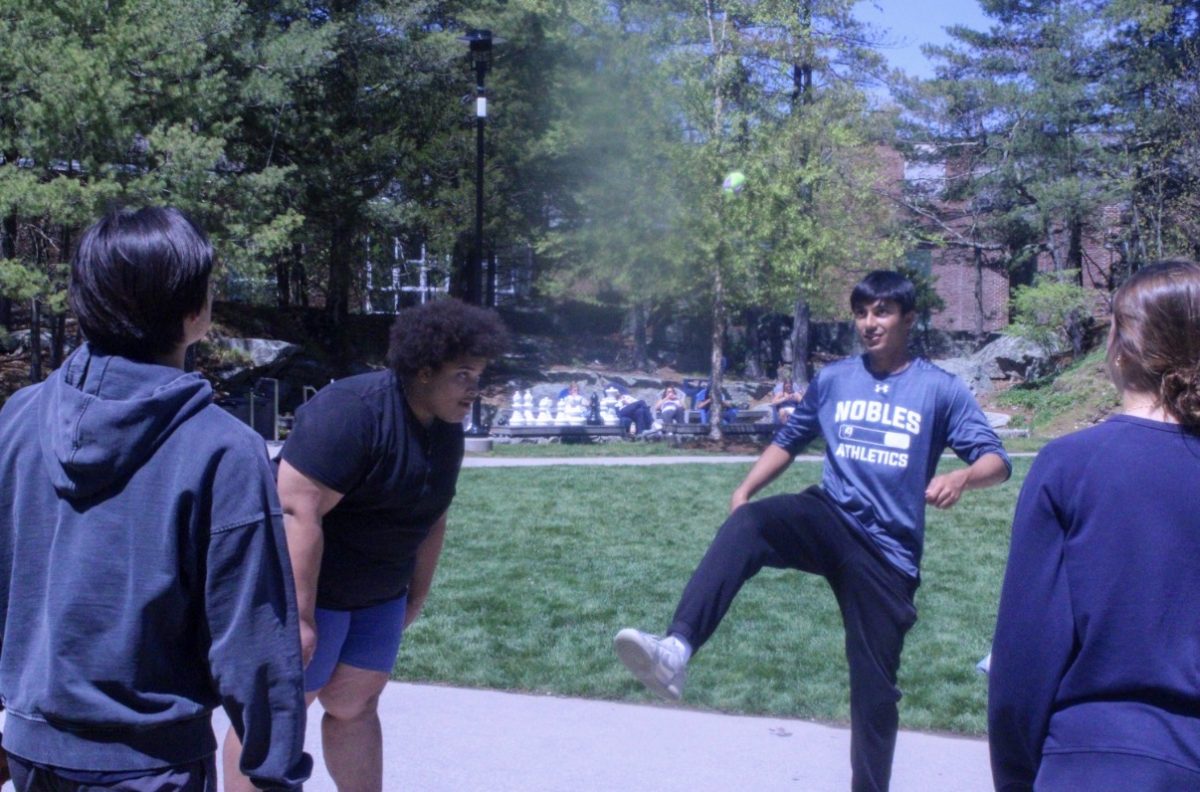





Nobles is home to a myriad of highly competitive athletes and talented performers, who participate on high-caliber teams and casts. Stellar athletic and theatrical performances galore, it can be easy to assume that all participants in Nobles’ extracurricular activities are dependable contributors in terms of statistics and results. This is not always the case, though. “Culture guys,” or people on teams and casts who thrive within the scope of community and group culture, are often overshadowed by their high-performing counterparts. These essential team members take themselves less seriously and are along for the ride. That said, their dedication to their respective teams is not compromised by their less-than-cutthroat approach.
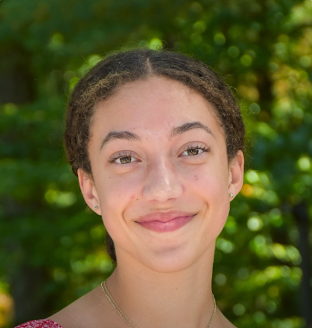
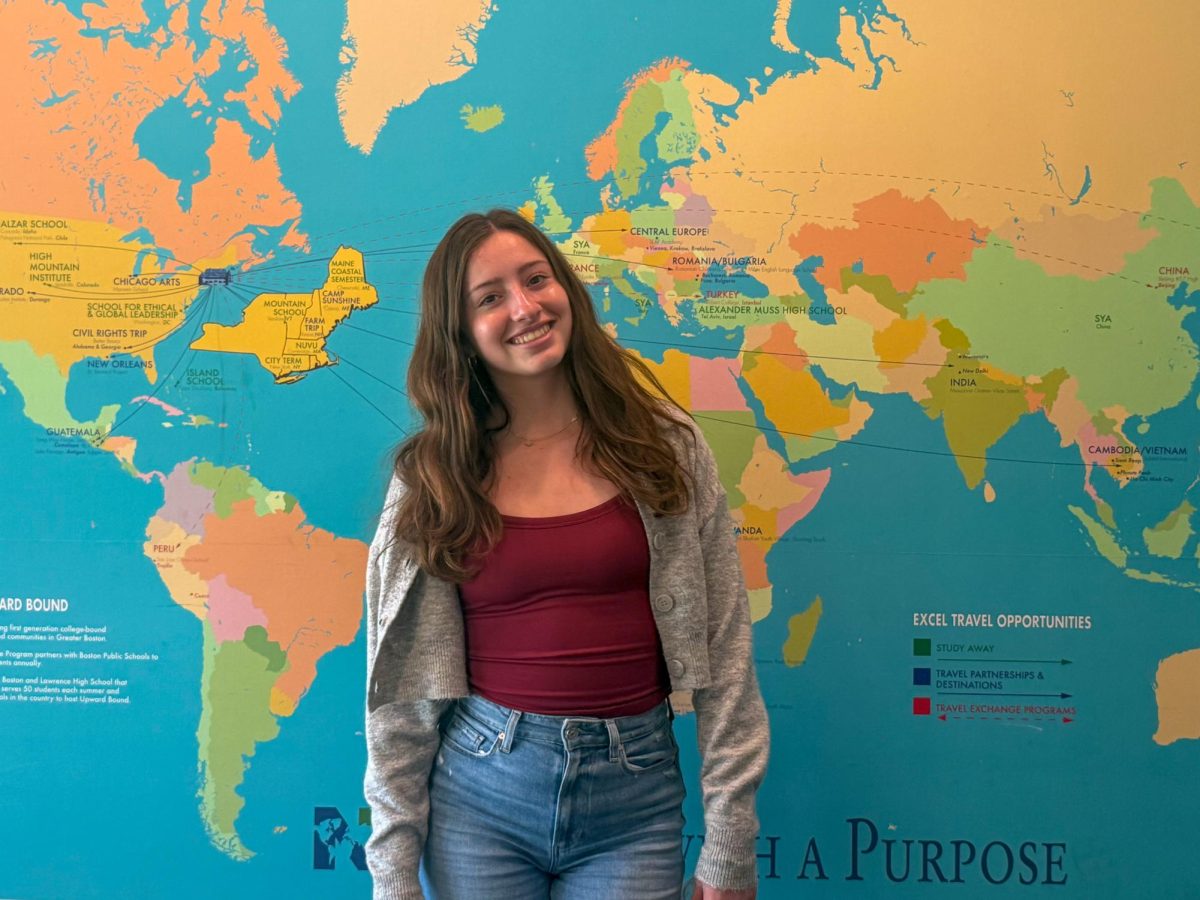
Former Nobles Girls’ Crew (NGC) rower Leah Farb (Class I) agrees that community should be the main priority of a team. While on NGC, Farb relished in the simple pleasures of rowing. “I really liked being on the water, and it was nice that they had really low expectations for us my freshman year. We were just learning how to row,” Farb said.
While she was not in any of the competitive boats, Farb contributed to NGC with her open-minded approach to crew. “I think I brought a lot of positivity and fun energy,” Farb said. This was greatly appreciated by her coaches and teammates, which actually won Farb the NGC Junior Varsity Leadership award. “I think I won because I was enthusiastic and gave rowing my best effort, and I think they appreciated that. There’s a difference between not trying and not prioritizing something. In my crew experience, I tried, but I just didn’t prioritize it as a key factor in my life,” Farb said.
The nature of NGC is competitive: the team is incredibly high caliber, perhaps too competitive, according to Farb. Being assigned to bottom-level boats upset some rowers, a few of whom Farb was able to talk to and help put their grievances in perspective.
“A lot of times, people would get really in their heads about boats, like what boat they were in, and all the rankings. I think that with crew, it’s so easy to compare yourself to others,” Farb said. “You can see your erg [indoor rowing machine] times, and you can see what boat you’re in, so you know exactly where you stand on the team. That could end up getting to a lot of people, but I just really didn’t care that much. I would talk to people when they were upset to be in my boat, and I could make them feel better. I’d tell them that if you’re not getting recruited, it doesn’t matter, which I think was a good reminder for people.” Having less-competitive athletes on teams can help ground those who are ultra-competitive.
Farb brings up a critical point – such a high degree of competition can induce stress in athletes, even those who are not the best at their sport. “I think having people who are bad at sports is so important for a place like Nobles, because so many people here are so specialized. Being able to try something out and be kind of bad at it is something that should be encouraged,” Farb said.
Like Farb, Lucas Ilzarbe (Class I) is a firm believer in team cohesion, which has come to fruition through his roles in The Nobles Theatre Collective (NTC) ensemble over the past few years. While the spotlight is often directed towards a select few actors, Ilzarbe believes that the entire ensemble should be credited for the NTC’s impressive productions. He said, “The NTC prides itself on good performances. That starts with everybody, even if you’re a background character. The ensemble [members] are the building blocks [of the performance].”
Everyone on stage contributes to the performance. It seems sometimes the ensemble contributes only in terms of visuals, but this is important nonetheless. Thus, a strong sense of community is paramount. “There are a lot of icebreakers and a lot of getting to know each other. Those activities and games in the beginning really fostered a sense of community,” Ilzarbe said.
Emma Finkelstein (Class I) joined the JV Ski Team in her sophomore year at Nobles. She had no prior ski racing experience and joined simply to improve her skills. “I wanted to get better at skiing,” Finkelstein said. She saw the ski team as a learning experience, valuing the knowledge her coaches and teammates could provide her, rather than her own contributions to the team in terms of results. “Everybody on varsity has been ski racing their entire lives, and they know everything about racing and have good skiing form. Races are more fun on JV. You can take it a little less seriously, and it’s okay to miss a gate or make a mistake; it’s not really upsetting. It’s not bad for the team if that happens too. So you don’t put too much pressure on it,” Finkelstein said.
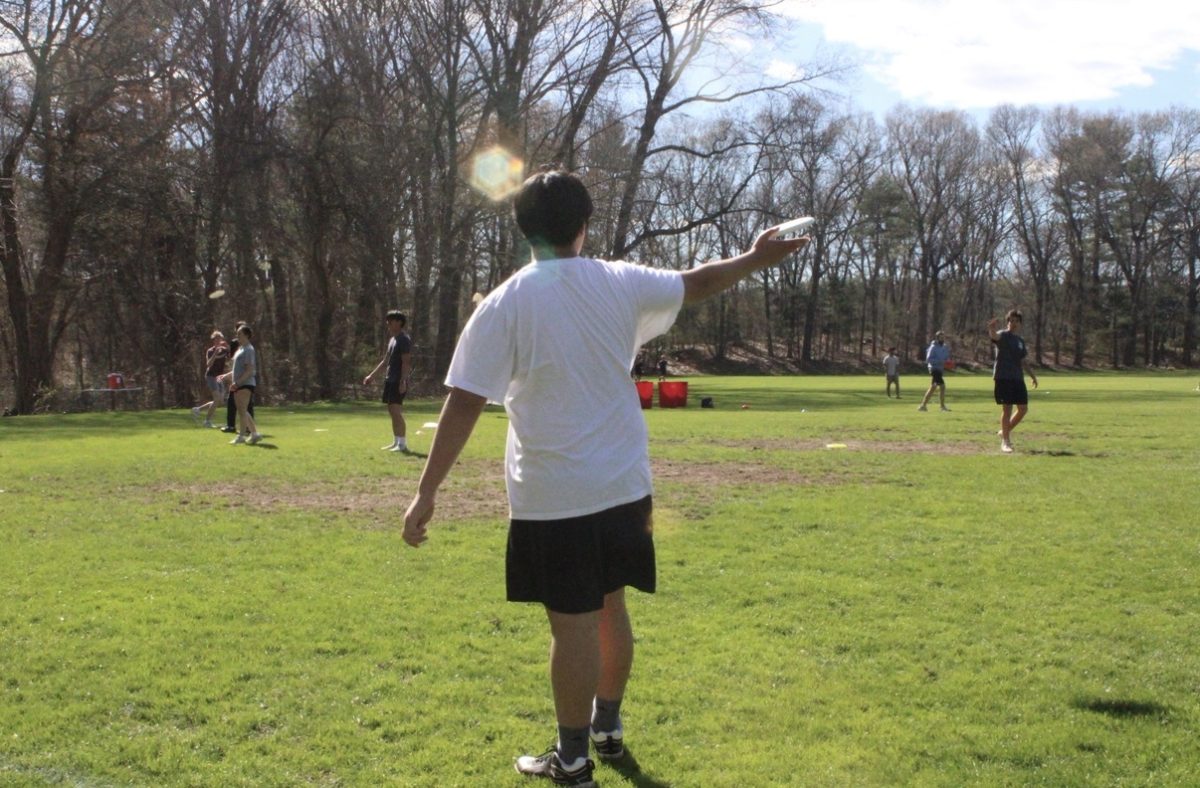
As JV and Varsity Ski do not typically go to the slopes every day, these teams enjoy participating in activities completely unrelated to skiing, designed simply to build community. A significant amount of team bonding stems from this logistical constraint, which is somewhat unique to the sport. “We play frisbee a lot, we have team dinners, we do workouts, and have study halls. We only ski two days a week. It’s important to get to know people, because you’re doing so much stuff other than just skiing. I really like that part about it –getting to know everybody on the team really well,” Finkelstein said.
Ultimately, from the Charles to Vinik to even the slope, “culture guys” are instrumental members of Nobles’ non-academic groups. Even the most high-performing athletes can attest to this. Nobles Girls Varsity Hockey player Lily Bromley (Class II) said, “Culture is the backbone of winning.”