
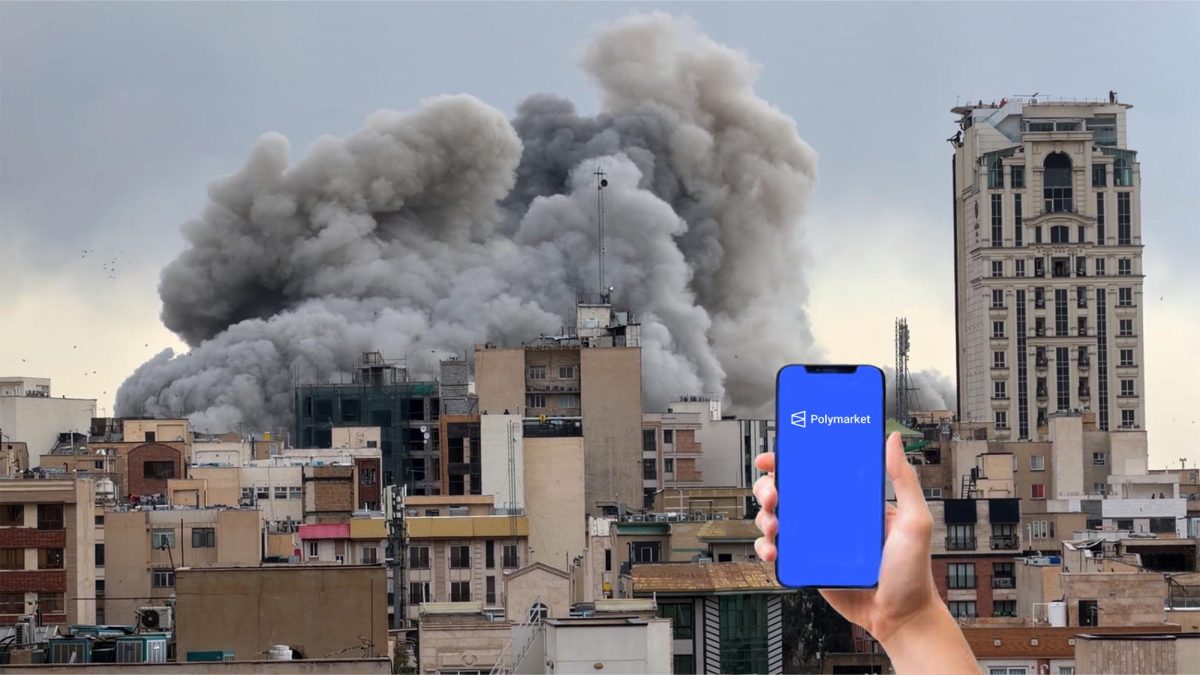














Just hours before the February 28 U.S.-Israeli strikes on Iran, six newly created accounts on Polymarket collectively earned $1.2 million for correctly predicting that the U.S. would strike Iran by February 28, 2026. One account placed its first trade only 71 minutes before the news went public. Notably, at the time the bets were placed, the prediction market only suggested a 17% probability of a strike. Similarly, a pseudonymous account on the platform, later revealed to be a soldier involved in the capture of Venezuelan President Nicolás Maduro, earned just shy of half a million dollars from a wager based on the mission made mere hours before the secret operation was announced.
Prediction markets like Polymarket are platforms where anyone can place bets on the likelihood of real-world events, from elections to military strikes to sports and even the weather, and earn money based on the outcomes. Suspicious trading activity in these markets has repeatedly preceded major geopolitical events by hours, with newly created pseudonymous accounts placing large bets on secret military operations just before they became public.
The Commodity Futures Trading Commission (CFTC) issued a formal advisory in February 2026, confirming its authority to pursue insider trading enforcement on prediction markets. Existing legislation targeting the practice would not cover military and national security personnel, foreign nationals, or corporate insiders, all of whom are categories implicated in the documented suspicious trades. National security analysts further warn that prediction markets may serve as intelligence-collection tools for other nations, as they can identify who holds specific information by observing who profits from suspicious bets on the platform.
The foreign intelligence threat expands the problem of insider trading in prediction markets from simply a financial crime to one that endangers national security. Alex Cheng (Class I) said, “It’s definitely a national security risk for other nations to be aware of which insiders from the U.S. government know sensitive military intel.” However, some students were less concerned about this risk. Gabi Burack (Class II) speculated that the U.S. government likely has programs and operations focused on this issue beyond the purview of the American public. “I think that our government knows a lot that we don’t, and I think that they’re always looking at what other countries know about us,” she said. James Fair (Class II) also presented a counterargument, explaining why foreign intelligence may not be a major risk with prediction markets. He said, “I think it’s very unlikely that, if the U.S. government isn’t able to find out and punish the people who traded with insider information, foreign intelligence agencies would have that ability.”
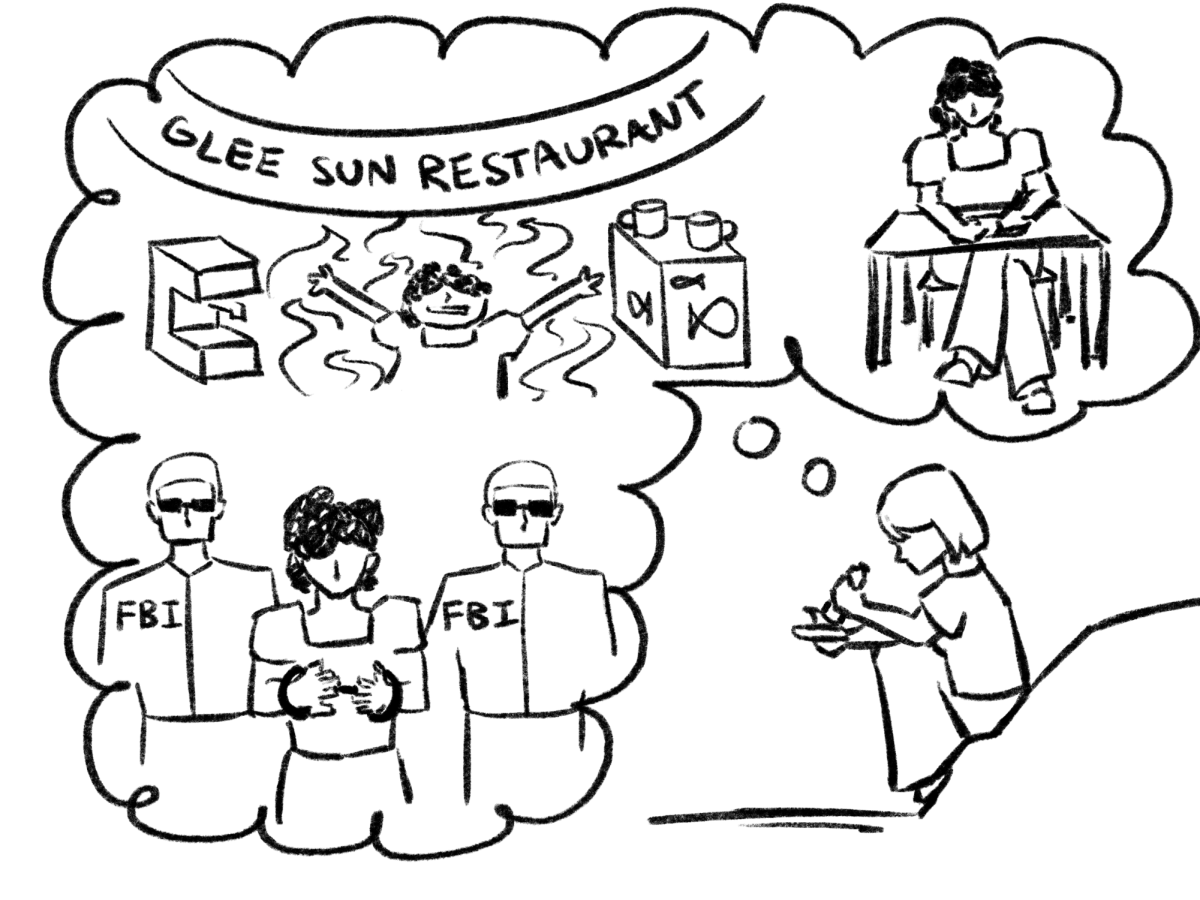
Given that trades with suspicious timing patterns appeared on both Kalshi, a domestically regulated prediction market regulated by the CFTC, and Polymarket, which operates offshore beyond U.S. jurisdiction, some students concluded that the solution to preventing insider trading involves targeting individuals rather than platforms. “Going after the people instead of the markets is the way if the U.S. government wants to stop insider trading,” Fair said. Ollie Smith (Class IV) offered a specific solution to identify those responsible for insider trading and to prevent future incidents. “The government should be more focused on who has access to sensitive information. They should monitor the financial activity of officials … and government employees should expect this when they accept these roles to serve the public,” Smith said. By addressing insider trading at its root, the government could maintain the platforms and avoid murky territory between private industry and government oversight. Fair agreed that the government should look into its employees. “They should run internal investigations with the FBI and CIA if they really care about catching these people and believe that it is a national security threat,” he said.
Cheng presented a pessimistic counterpoint, suggesting that those with the power to enact change are likely the same as, or connected to, those trading with insider knowledge. “If it’s true that these trades are being made by individuals in the government, then they would not want to stop them from happening,” he said. This conflict of interest could explain why, despite public awareness of the issue, the U.S. government has not effectively prevented insider trading.
For some students, legal and regulatory questions were secondary to the more critical question of whether it is ethical to place bets on violence and geopolitical instability. “I think it’s morally repulsive to be profiting in this way off of wars and attacks on other nations,” Cheng said.
Betting aside, some students use the platform as a news source, both to gauge public consensus and to gather input from insider traders. “I actually find the insider trading useful because I like using it as sort of a news source, since you almost get a clearer sense of what’s going to happen in the future from Polymarket than you do from traditional news. It’s both the wisdom of the crowds and insider trading that can make the information more reliable than an expert’s view,” Fair said.
Whether prediction markets ultimately serve as financial tools, intelligence hazards, or alternative news sources remains debatable. However, by engaging in discussions about insider trading and questioning government policy and the efficacy of different news sources, students are purposefully and actively participating in American democracy.