




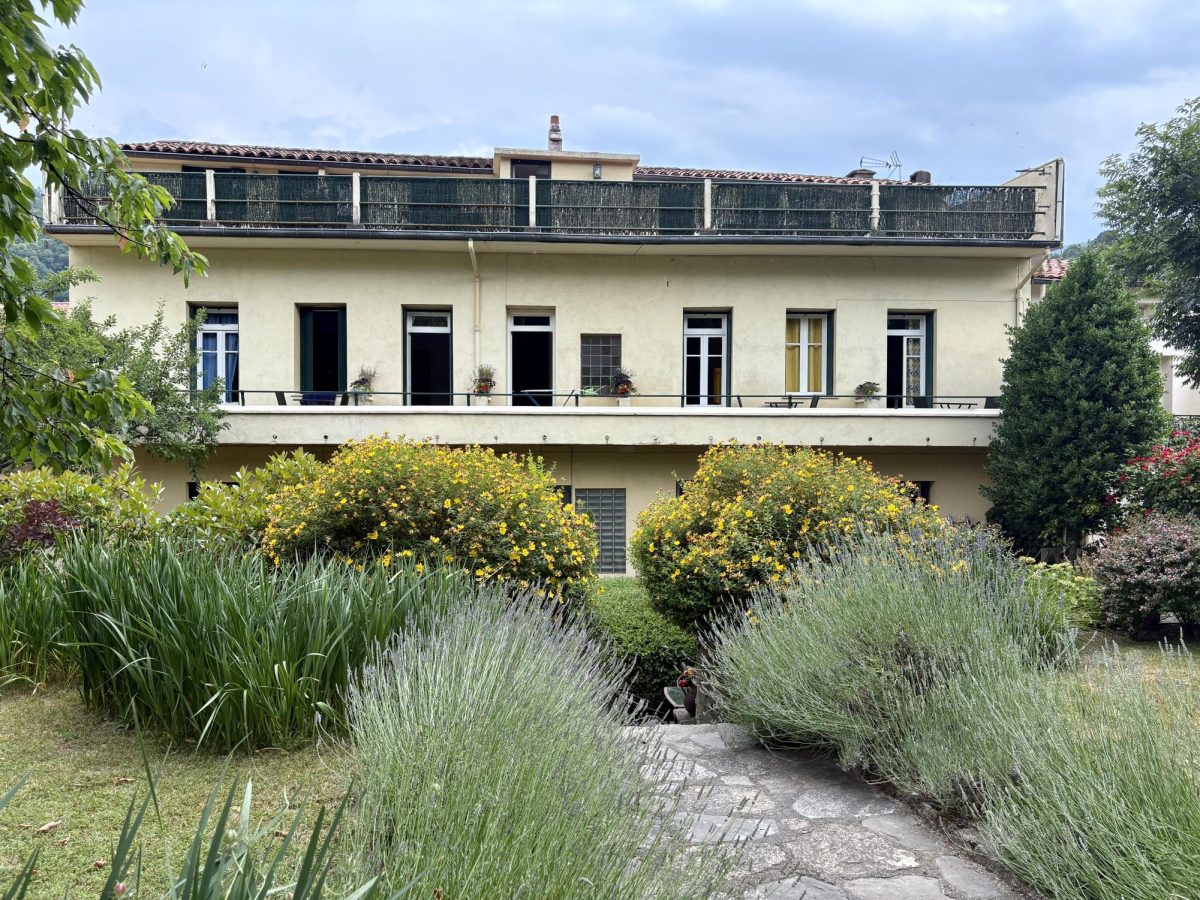

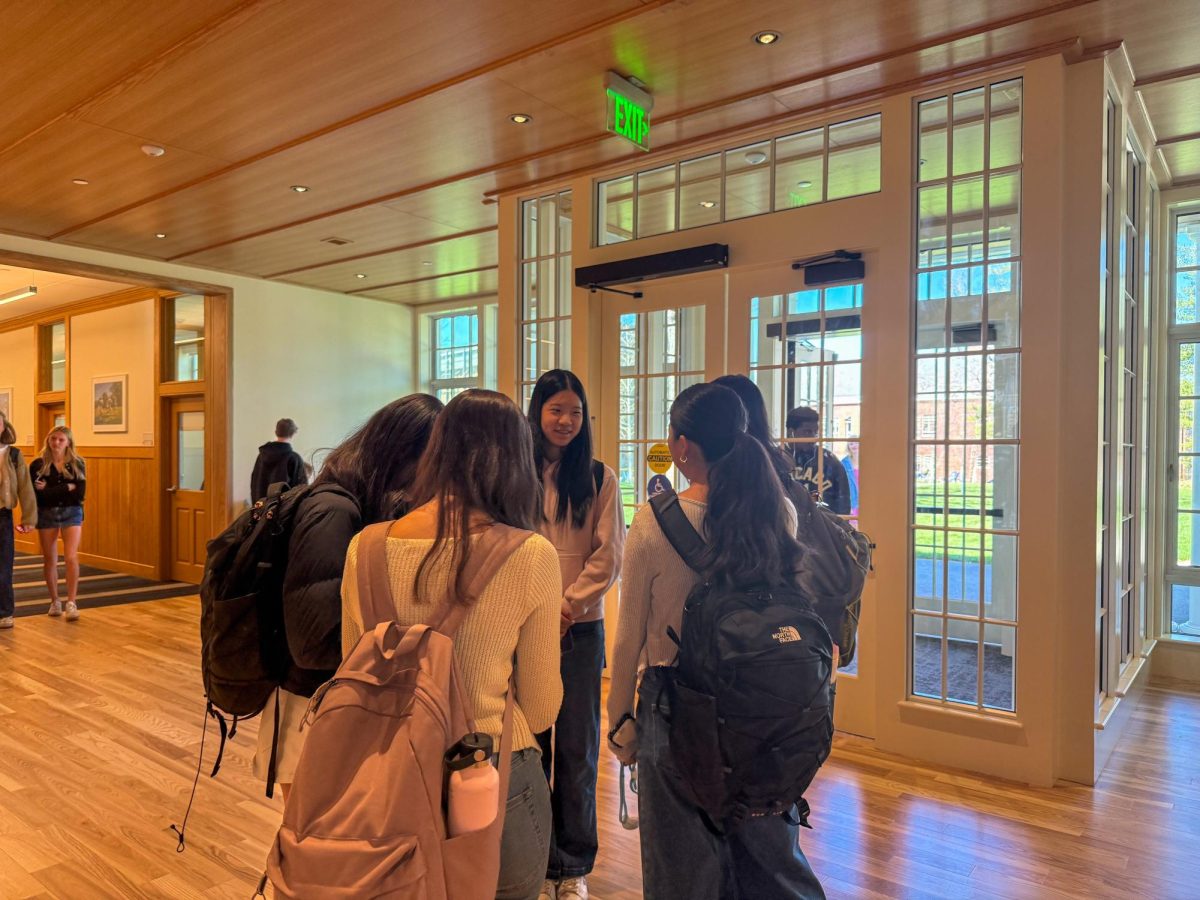
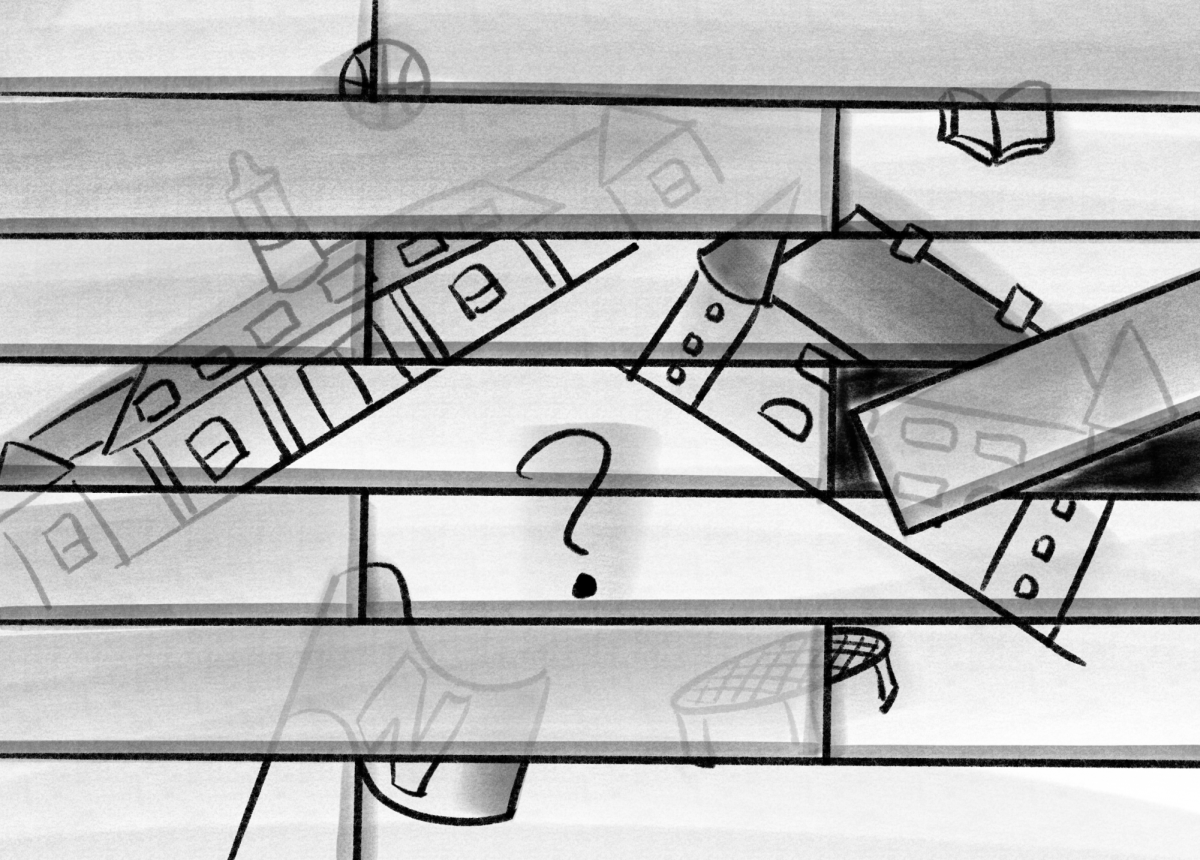






Students and faculty rejoice with the conclusion of the Shattuck Schoolhouse renovations. However, many are overlooking the critical philosophical conundrums presented by this renovation: a quagmire with the potential to uproot the very identity and existence of the Noble and Greenough School.
The ancient Greek philosopher Plutarch first formulated the Ship of Theseus paradox in the 1st century A.D. He posed the question of whether a ship, upon replacing each of its parts over time, remains fundamentally the same object after all of its parts have been replaced. This question has whitened the hair of philosophers for centuries, and should now do the same for the Nobles community. This is because the same paradox arises when considering Nobles’ long history of renovations. With the library, the castle, and now the Shattuck Schoolhouse already renovated, what happens if Nobles continues down this path? After renovating every building, is Nobles the same Nobles? Or will Nobles slowly lose its true identity and slowly morph into a nominal institution that only masquerades as the Noble and Greenough School?
If we accept that Nobles is fundamentally no longer the same school, then must Nobles change its name? Must we let alumni know that their beloved campus no longer exists? Tell them that their diplomas are now null? Erect a tombstone, “Here lies the Noble and Greenough School campus?” This school would find itself in a strange predicament if the campus really is losing its identity.
However, if we reject the notion that Nobles changes its identity as each component of its campus is renovated, then we encounter an entirely different, but equally troubling, problem. If Nobles remains the same school regardless of the changes the campus undergoes, then the very boundaries of identity are brought into question. At which exact moment — which brick, which beam, which ceiling tile — does Nobles cease to be Nobles? Is there even such a point?
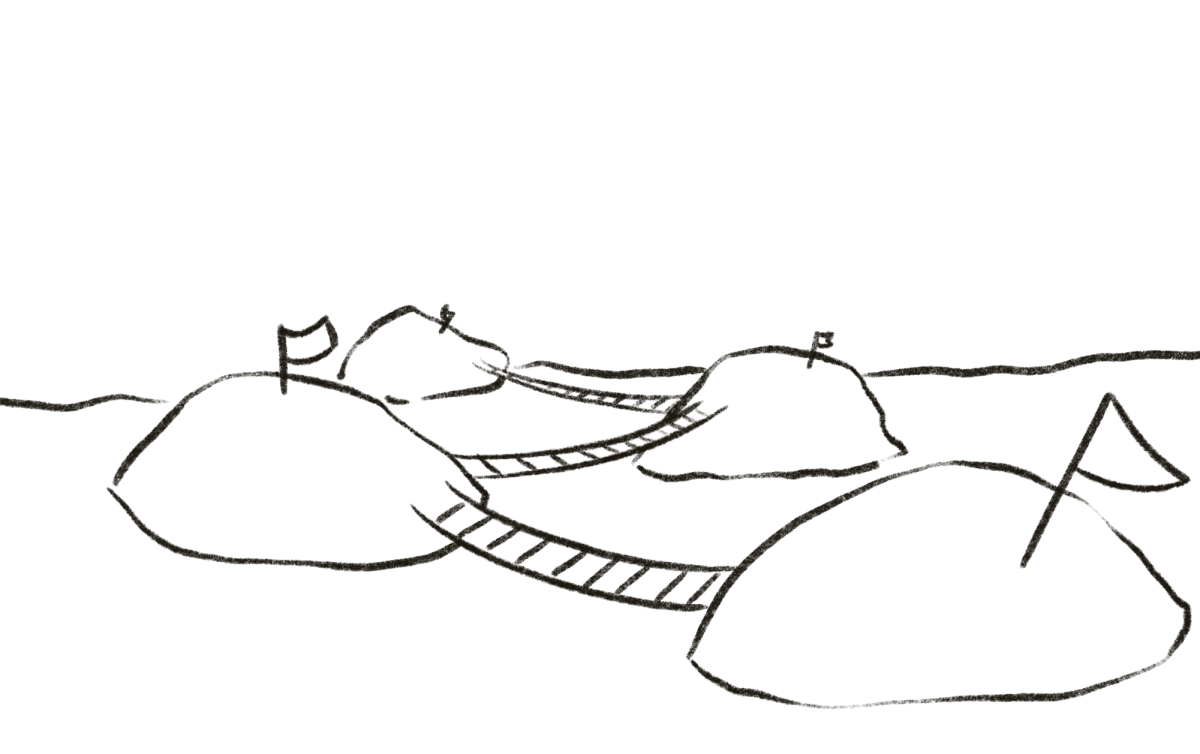
On the one hand, removing one brick at a time from Nobles will never destroy the campus, since a single brick can always be removed without transforming the campus into something entirely different. Simultaneously, adding single bricks to the Nobles campus will never make it fundamentally different. Two campuses that differ by a single brick are surely the same campus. This defines the Sorites paradox. If adding a single brick does not make Nobles cease to be Nobles, then we could continue adding bricks one by one until, after a billion additions, Nobles has been transformed into a full Legoland themepark. And yet, by our logic, it would still be Nobles!
Following this logic to its natural conclusion leads to even darker philosophical realizations. By the Sorites paradox, if we begin with a singular atom, which is not a building, and add atoms one by one, it can never become a building. Two objects that differ by a single atom cannot be two fundamentally different things: one a building and the other not. Thus, the Shattuck Schoolhouse never actually existed in the first place. Mereological nihilism is the view that composite objects do not actually exist; only fundamental particles do. Therefore, no table, window, alcove, or Cafe muffin exists. These are, and always have been, illusions. The idea of a renovation becomes arbitrary, as there can be nothing to renovate if nothing exists in the first place. The notion that this campus does not exist would resolve all other disputes.
The ideal response would be simply to stop renovations and do everything possible to preserve the Nobles campus as is. By freezing the campus, coating each classroom in resin, or bolstering buildings with protective armor, Nobles can avoid these philosophical dilemmas. However, an unwillingness to improve the school will not satisfy the students and faculty. Nobles must renovate, but any proposed renovation, even replacing just one brick per year, dissolves under philosophical scrutiny. This impasse leaves the Nobles campus with no viable solution, and its existence grows more philosophically tenuous with every passing day.
The Shattuck Schoolhouse renovations leave Nobles in a precarious position. Either the school has been slowly erasing itself with every renovation, or the campus never actually existed in the first place. While none of these solutions provides much comfort to the Nobles community, perhaps the best approach is to accept the uncertainty: the beloved Nobles campus was always a philosophical fiction, and we love it anyway.