







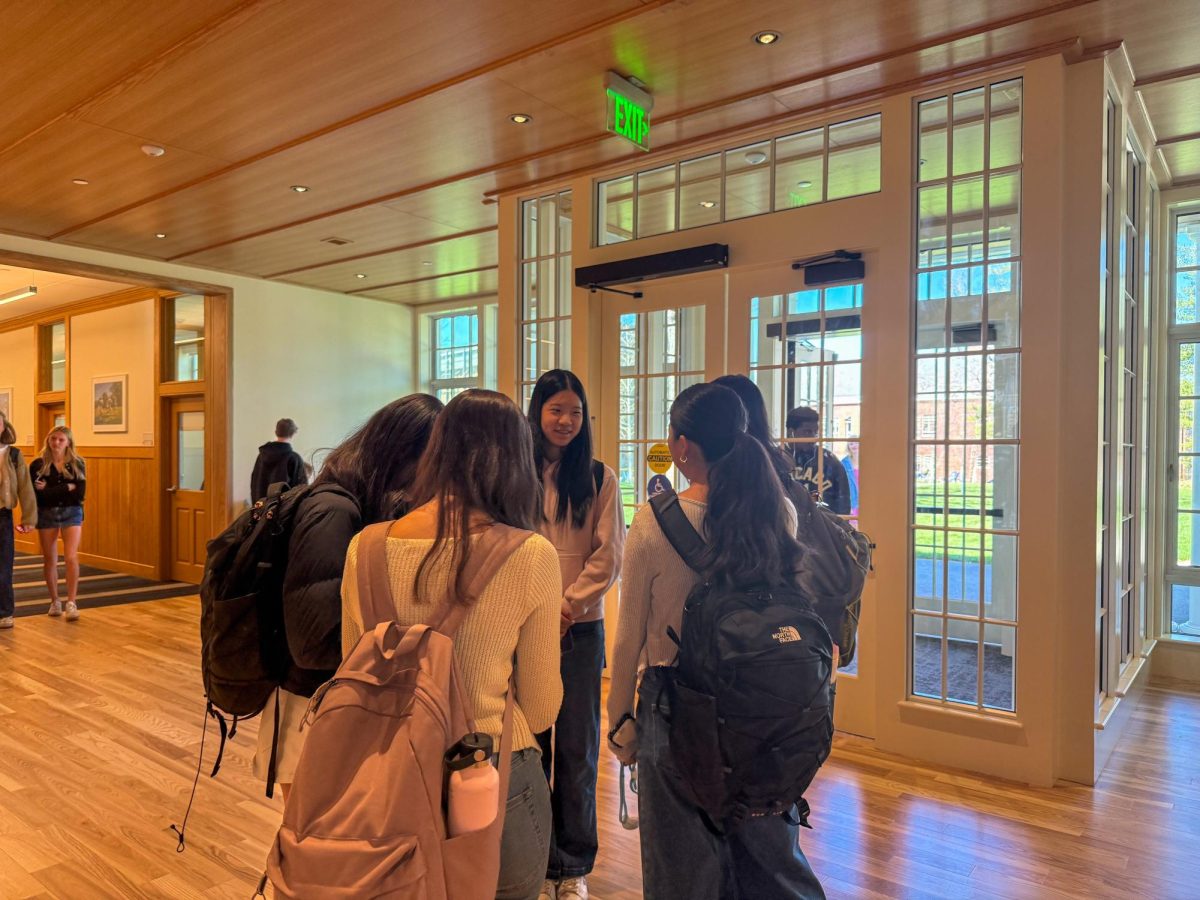












Both before and after the Shattuck Schoolhouse renovation, the alcoves have provided a convenient place for students looking to sit after getting out of class early, to meet up before heading to lunch, or to look for a quiet spot to doomscroll. For those who need a quick break between classes and other commitments, the alcoves remain a practical option.
However, I believe that the alcoves’ design makes them less than conducive to community bonding. Even with updates such as built-in cubbies, they remain relatively small, limiting their ability to accommodate entire grades or large friend groups. The alcoves often cultivate a competition for seating. When space on the benches runs out, it causes migrations of entire friend groups, unintentionally creating divisions and spreading out grades rather than having them sit together.
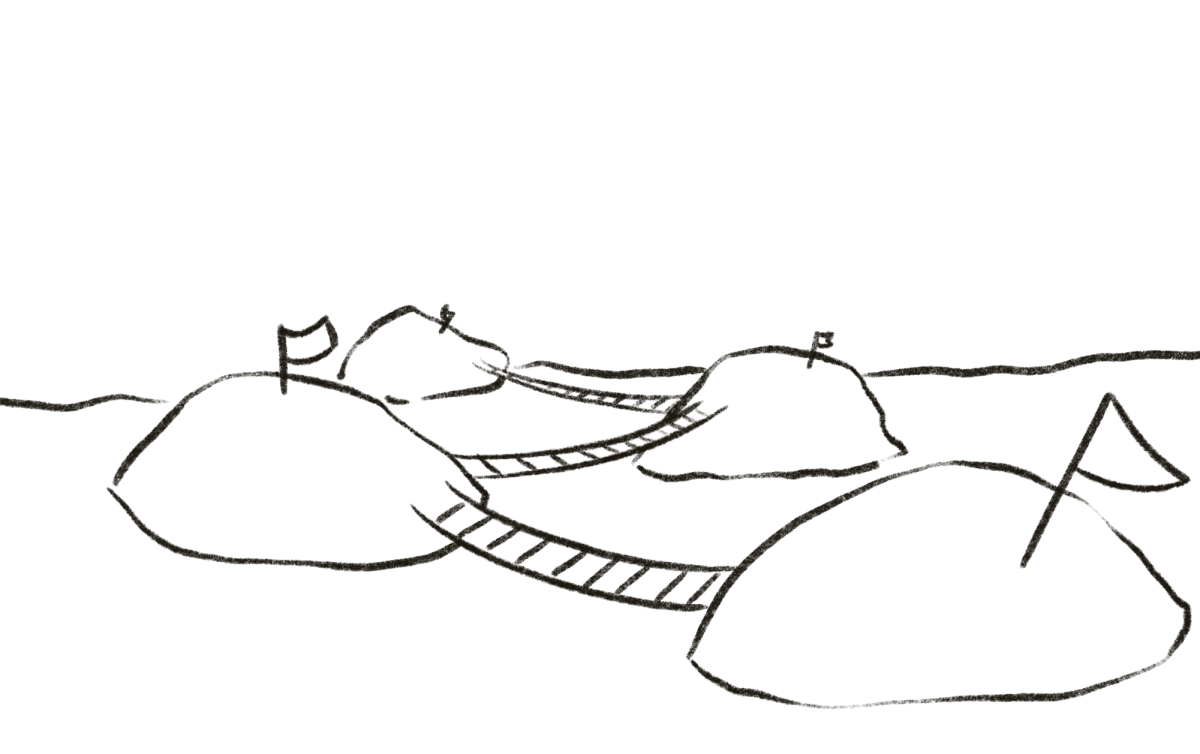
Before the renovation, each side of Shattuck had one large alcove and two smaller ones. Over time, different groups of people would sit in one alcove more often than others, impacting where students thought they “could” sit, and creating unspoken boundaries. Ceci Korb (Class III) said, “I feel like [the alcoves] divided the girls and boys more, because we each had our own alcove.”
The newly renovated Gleason Hall has significantly shifted where most students spend their time. Gleason provides a better alternative to the alcoves because of its productive environment and openness to the entire community. Nila Bharathan (Class IV) said, “Since there are more spots to hang out now, I think that people really like coming [to Gleason] because it’s such a big, open space.” The addition of tables and chairs also creates a space more conducive to studying than the alcoves were. Korb said, “I feel like in the alcoves, most people are just on their phones scrolling. But this year, at the tables [in Gleason], it’s a little bit less like that.”
Gleason Hall has become the new primary hangout space for underclassmen for these reasons. “I go to the alcoves a little bit, but I feel like Gleason’s a better place to work because there’s more tables and it’s a nicer vibe,” Rhea Shah (Class IV) said. The comfortable study spaces have pushed students to use their time more productively. Aesthetics have also played a role in where students spend time. Shah said, “Gleason looks more homey with the chairs and natural light.”
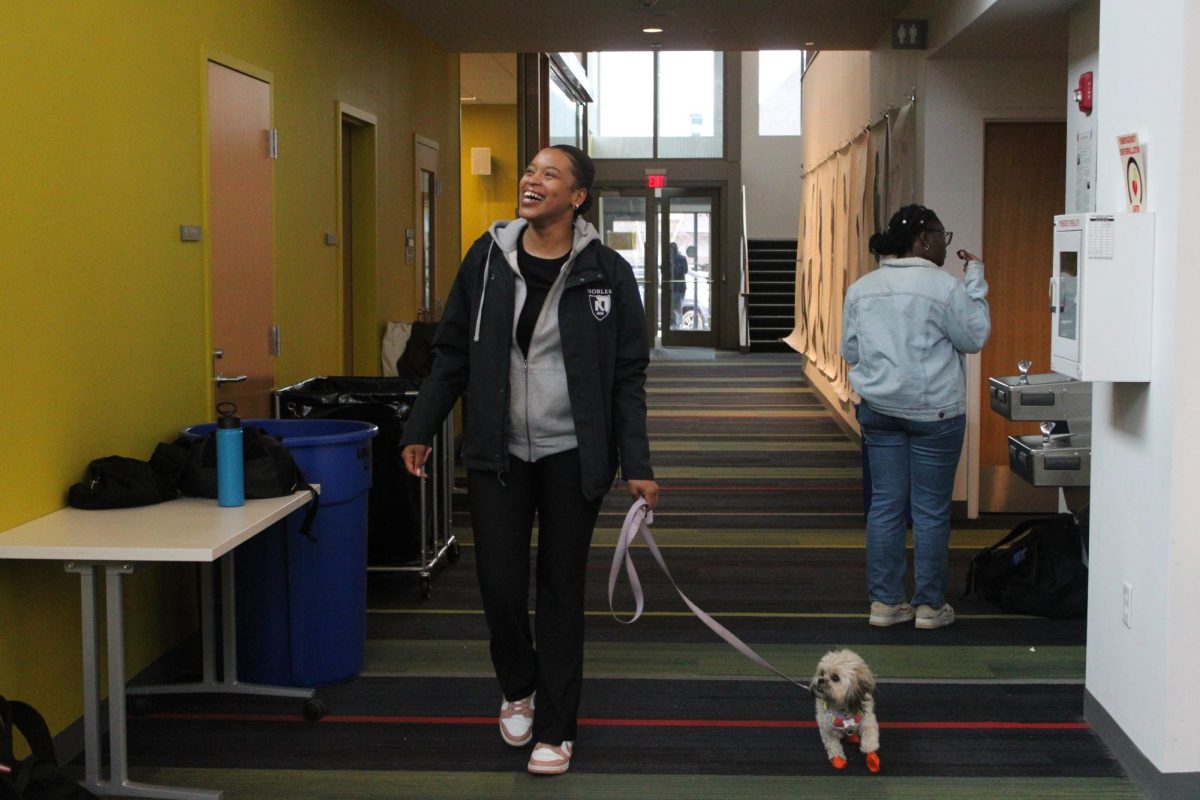
Beyond comfort, Gleason is simply a more collective place. Its size and design allow for more diverse groups to gather in one place. Samantha Shaff (Class III) said, “Gleason is a much more communal space than the alcoves, and there’s more room to be in bigger groups.” At any time of day, students from different grades and groups share the same space, whether they are studying or relaxing. This is something new to the Nobles community. While the library is unspokenly closed off to underclassmen and the alcoves to upperclassmen, Gleason is a shared space for the entire community. There are no social rules dictating where a student can sit.
Gleason is not the only new space contributing to the shift in where students spend their time. Seating areas near the glass entryway, as well as more relaxed environments in both the College Counseling and DEI office, offer additional options for students to spend time depending on their needs. Because of the renovation, students now have more flexibility in where they spend their time, causing a migration of underclassmen away from the alcoves.
Though the alcoves are no longer the primary gathering space for underclassmen, they are still a valuable part of Shattuck. The creation of more spaces that support connection across the entire community highlights the effort that so many people put into creating a better Shattuck, and the expansion of where students spend their time proves their success.