







One tap, and a new filter on Snapchat can make you anyone: a movie star, a mountain climber, or someone you hope to be. But at Nobles, it seems this power has sparked more unease than excitement.
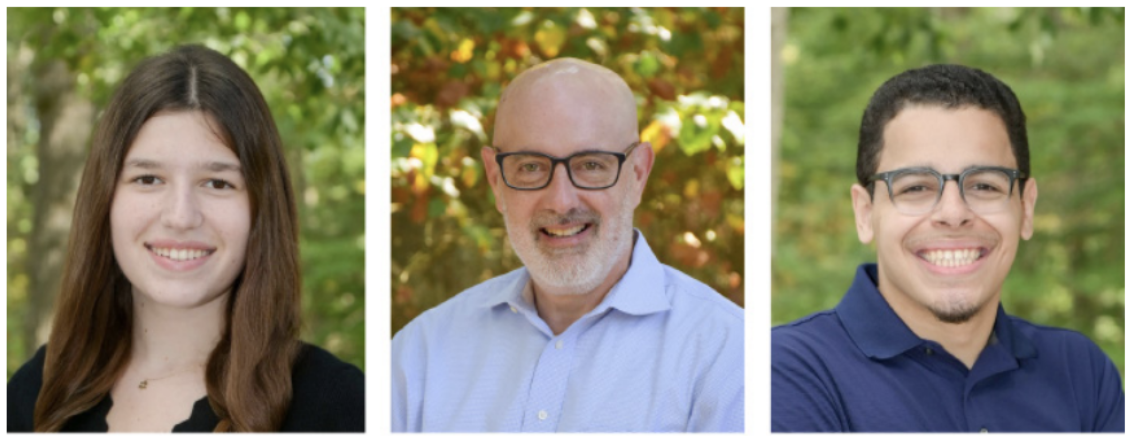
“It was kind of crazy. Usually, if you want AI to make images for you, you have to pay for that – but Snapchat was just doing it for free. I was wondering how this would play out, because there’s no way that making fake images of people could go well,” Ikram Abdulle (Class II) said.
Snapchat’s AI feature uses state-of-the-art image generation models to create lifelike photos in seconds, but its ease of use is also what makes it dangerous. “People have done the AI filter on me. It’s crazy how realistic it looks,” Abdulle said. While some students used the tool to make fantasy images of themselves, others experimented with classmates’ faces, often without consent. “It’s helpful when used correctly,” Abdulle said. “But when people use it to make fake images of other people doing things that didn’t happen, that’s where it gets messy.”
Within days, students began circulating AI-generated photos of friends and classmates. Some were funny; others crossed a line, altering people’s appearances or placing them in contexts they never chose, like kissing someone nearby. Head of Upper School Alison Easterling addressed the community during an assembly, urging caution and reflection. “The difference between something that’s fun and something that’s harmful can be pretty narrow,” Easterling said. “We all know what it’s like to say, ‘I was just joking,’ but now everything is public. What used to be a small moment can suddenly be out in the world.”
Her message came after the class deans and students raised concerns about the possible misuse of this new Snapchat feature. “Easterling reached out to us, and I think we all agreed that it’s not really a good thing to have in a school environment. There’s no real need for it in an academic environment like Nobles,” SLC Co-President Ben Gelber (Class I) said.
Senior Information Technology Support Specialist Jake Bonenfant echoed those concerns. “Getting your photo or your friends’ photos altered is a big invasion of privacy; now there’s material out there that doesn’t represent you,” he said. “The issue comes when you start using it on somebody else, to embarrass them or make fun of them. That’s when it crosses into cyberbullying.”
Easterling noted that the stakes are higher than most students realize. “There are now laws in all 50 states requiring companies to take down non-consensual intimate images,” she said. “Even if something starts as a joke, it can quickly become a legal issue.”
In the wake of Snapchat AI’s release, Nobles has moved quickly to emphasize digital responsibility. Easterling pointed to the school’s AI working group, a team of faculty who have been meeting since August 2023 to create clear guidelines for both teachers and students. “Our mission is so focused on what it means to be human –‘human connection’ –and that’s where we’ll need to direct our response,” she said.
Gelber agrees that clear boundaries rather than outright bans are key. “Teachers have been really good at outlining when it’s appropriate to use AI and when it’s not. Boundaries have been set, and it’s important that students don’t cross them,” Gelber said. At the same time, he admits that AI has changed how students interact.
He said, “AI probably hurts the way people communicate with each other overall. It makes communicating literally easier, but it loses a lot of the genuine human emotion. There’s an importance in writing your own language and speaking your own truths that’s lost when you let technology dictate what you mean.” Gelber offered the advice that, “Every time you use it, really think about why you’re doing it. If it’s just for a joke, ask yourself, ‘Is this appropriate?’ Because of the ease of Snapchat, it’s easy to make a mistake, but you really have to think through your actions.”
Despite the controversy, teachers aren’t writing off AI entirely. “Like any tool, it’s not inherently evil. You still have to apply your own judgment, verify information, and think critically,” Bonenfant said. He predicts that in the next few years, Nobles will likely introduce classes or workshops dedicated to using AI responsibly: “If you know how to interact with AI safely and well, you can use it to analyze, infer, and verify information; that’s a valuable educational tool.”
For now, Nobles continues to balance curiosity with caution. “Transparency is really important,” Easterling said. “Ask yourself: Why am I using AI? What’s my purpose here? Curiosity and caution should go hand in hand.”