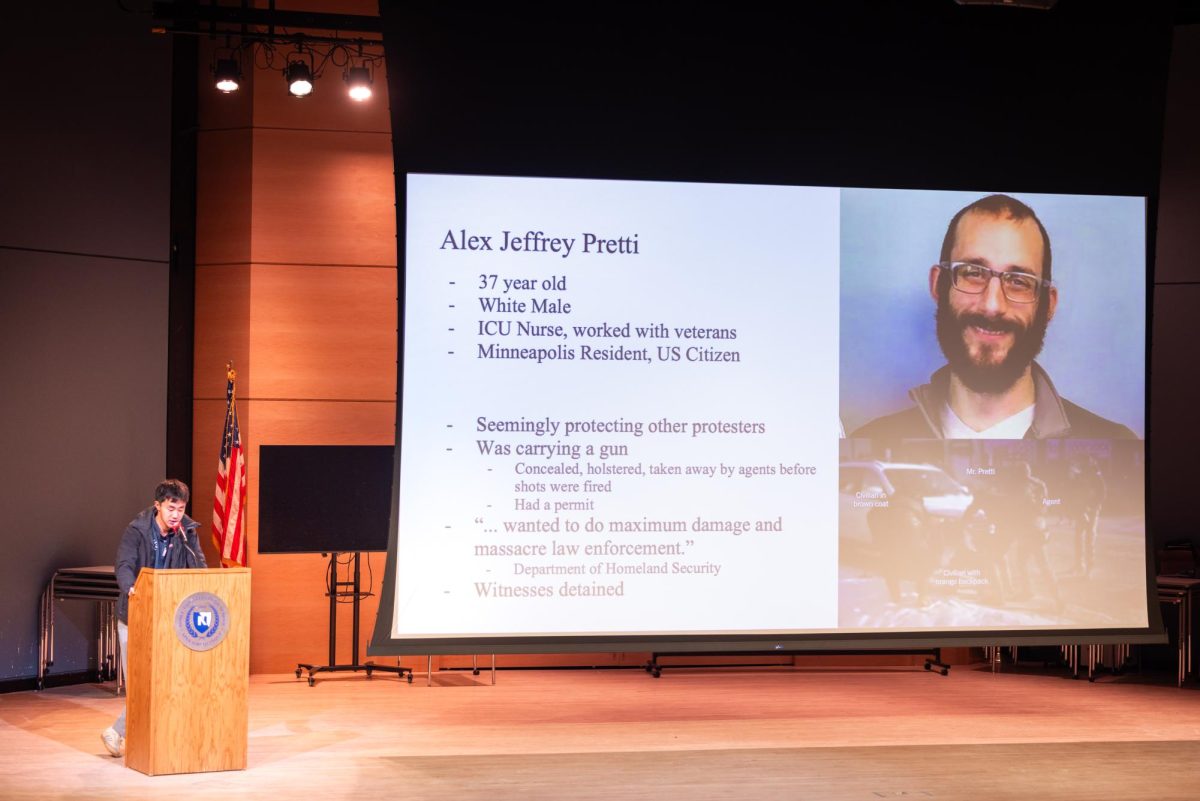







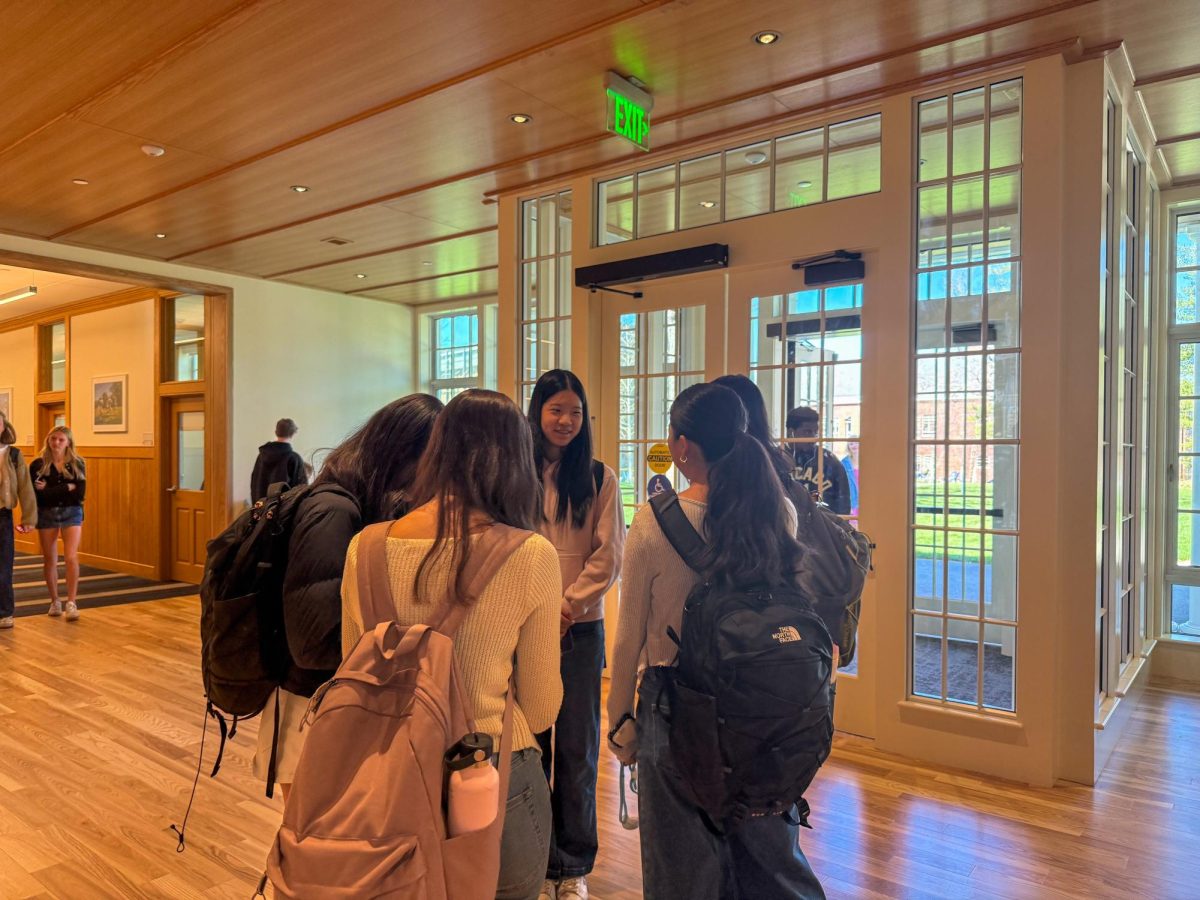








Everyone knows the feeling of walking into history class with a group presentation that is about to be an absolute disaster. The group chat, which was intended for assigning specific roles and tasks, has evolved into a thread for sharing the occasional meme in a relatively silent forum. As everyone, including the rest of the class, stares at the first slide that has not been organized neatly or properly discussed, a dreadful thought impends on all members of the group: The academic comeback is over.
Practically every humanities course at Nobles has group projects in one form or another. Whether it’s forming two random teams in history class for an impromptu debate or working with an assigned formation of three on a presentation due in a week that is worth 15% of your semester grade, everybody has done a group project, and with every new experience comes new mixed feelings. Yet, across every group project, one thing remains constant: The work is never divided evenly. Some students may be more motivated and passionate about the project, while others may have numerous external commitments or feel unmotivated to undertake the work. This leads to specific group members contributing significantly more or significantly less, which is stressful and unfair, as the work is supposed to be divided evenly among all members.
Furthermore, it is exhausting to coordinate and communicate within a group. For example, during my freshman year, I had major group projects in history that required us to present slides and do research. I vividly remember the stress of coordinating who was responsible for each slide, as well as my own conflicted thoughts on whether I was contributing just the right amount. It can be challenging for individuals to determine how much effort they should invest in group projects, as everyone has different ideas on what information should be included. Additionally, finding a common time for everyone to meet and properly discuss the project outside of class is necessary to divide the workload, determine who will present which slide, and decide on the content or topic to be presented. However, when everyone in the group has different commitments at various times, it can be extremely difficult to find a time when everyone is available to meet. This leads to unnecessary stress and is a contributing factor to the unequal distribution of work.
As if poor coordination is not nerve-racking enough, group projects can also lead to disagreements and tension. When people disagree on how deeply they want to delve into content, it is challenging to reach a unanimous decision, especially over text. Similarly, when people have differing opinions on how to format slides for a presentation, it is difficult to agree on a unified theme due to each person’s individual style.
Students also feel that their grade doesn’t always accurately represent their effort, and that teachers may not know if one student did the majority of the work. It seems that after every group project, there is talk about how someone who did not contribute much work received the same grade as a member who did most of the work. When there is poor communication and coordination among group members, it will inevitably lead to one or two people doing the majority of the work. In some instances, teachers may give everyone in the group similar grades, which is frustrating to those who believe that not enough credit is attributed to the amount of work that they have done. Even if the grade is based in part on both individual work and the group as a whole, this system can still feel unfair. Receiving a bad grade because another member of the group did not complete their work is highly disappointing to the other group members who had to take on their partner’s work.
Due to the numerous challenges associated with group projects, many students wonder why teachers still assign them. To these teachers, group projects offer some benefits, particularly in developing skills such as problem-solving, collaboration, and adaptability. “When [assigned] group projects, there’s more self-learning. Students have to take on more of an active role in their preparation, and so there is a lot more independence required … in real life, as people get into work, there’s a lot more collaborative group interactions,” History and Social Science Faculty Nahyon Lee said. However, when unequal workloads are created, this fosters resentment more than independence. Additionally, while collaboration is essential in real-world jobs, professionals in these settings share common goals and comparable standards of accountability. In contrast, students in school often have varying motivation levels, schedules, and expectations for grades. As a result, group projects can actually impair individual learning by preventing students from fully engaging with all parts of the assignment themselves.
Group projects are a beneficial way to develop various practical skills that students need to utilize in the workforce and in their personal lives, such as collaboration, communication, and cultivating a strong work ethic. Yet, specific issues such as poor coordination, lack of accountability, and conflicting expectations lead to silent frustration for many students on the group project.