







“I think we should only have six or seven standing ovations a year,” Ben Gelber (Class I) said. While Gelber was only kidding (referencing the cultural norm known as ‘six/seven’), he is addressing a very real and prevalent question within the Nobles community right now: How often should standing ovations occur in assembly?
This discussion surrounding the number of standing ovations in Lawrence has been taking over campus, infesting casual conversations and even heated classroom debates. Many students, especially upperclassmen, feel that we are simply standing for too many people.
If we stand for everyone, the value of a standing ovation decreases. “There was a week where we only had four days of school, so four assemblies, and we gave five standing ovations,” Carina Grossman (Class I) said. “I had a standing ovation that week, and honestly, I felt like I did not deserve it. If I had gotten a standing ovation last year, I would have been over the moon; this year, it just doesn’t feel genuine.”
Grossman is describing the phenomenon of ‘ovation inflation.’ Nobles students are exceptionally talented, so if we were to give a gold star to every good performance, then everyone would have one. If the community stands for everyone, then standing ovations become meaningless, and we no longer have a way to distinguish the truly brave or exceptional performances. “Standing ovations have become the new applause,” Leah Farb (Class I) said.
While there is no question that there are significantly more standing ovations than ever before, the answer to this issue is not as simple as just stopping. Former Head of the Upper School Michael Denning addressed the problem’s perplexity, saying, “I think this is a really complicated question because people stand for different reasons. People will always have different opinions about what constitutes quality, so we’re not all going to agree on what we think was great. Some people will also stand regardless of quality. For some, the most important piece is supporting who’s out there.”
This complexity is further amplified by the fact that standing ovations are a community-focused practice. “When a few people stand, we have a responsibility to all stand, because we are all one community, and we pride ourselves on the strength of our connections,” Gelber said. Yet, standing ovations are subjective at their core.
To make matters worse, there is an expectation that seniors steward assembly, leading standing ovations and setting the tone for the school day and year. However, many seniors, concerned about the sheer number of ovations, are hesitant to stand, creating more questions for the community.
“We just don’t understand what the seniors think is good enough to stand up for,” Sino Masiiwa (Class V) said. “It’s confusing because I don’t know who’s leading it. Seniors aren’t standing up at all, and it gets to a point where the rest of the school just has to do it. It also just feels very unpredictable this year, especially compared to last year, where it felt like there was more unity with the seniors. Even now, we are looking to the seniors to stand up first, but we never see that leadership.”
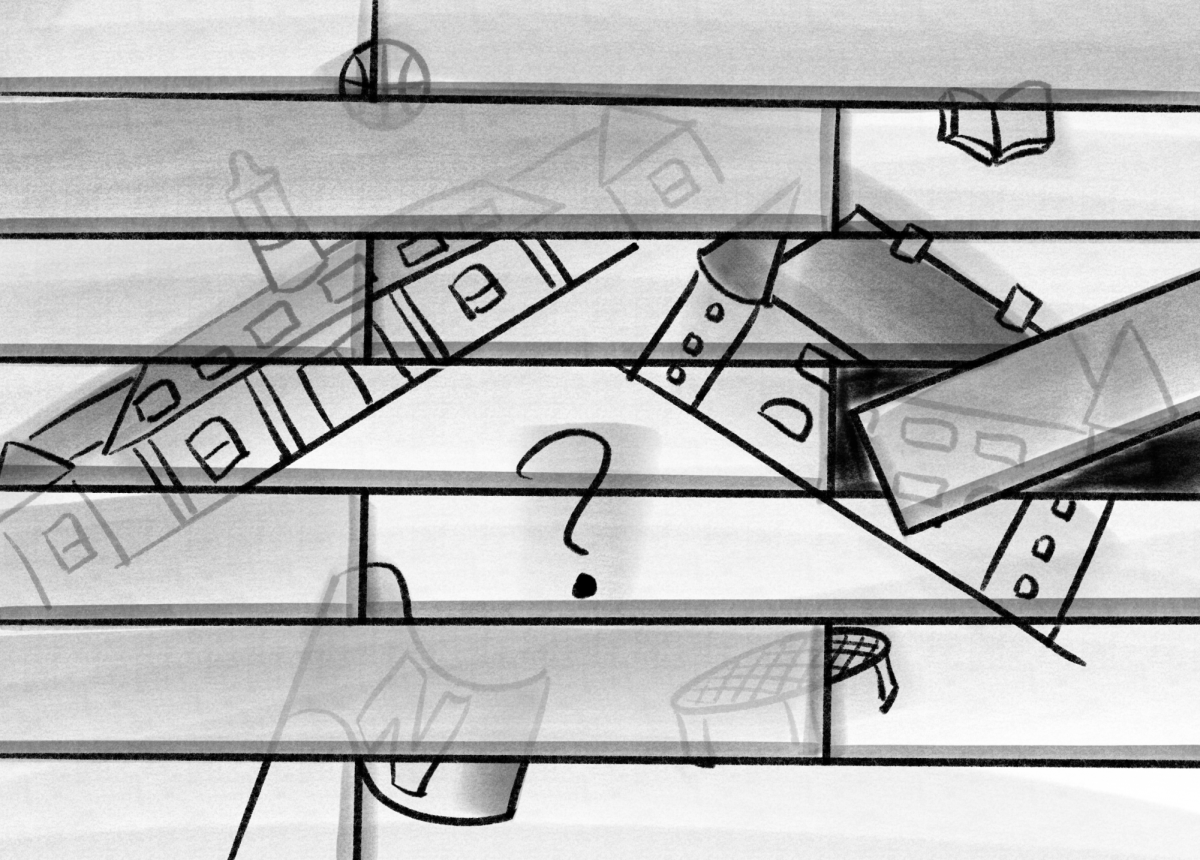
This, ultimately, is the heart of the issue. “Right now, there is no clear standard. It’s really a tangle of questions, and sorting that out is hard. I don’t have a really great answer for what we should do. There are legitimate norms and ethics at odds with each other, and they are all unspoken,” said Denning.
It’s clear the community is looking for an answer, and while we cannot stand for everything, we also cannot stand for nothing. We must find a balance and establish norms for our community so that we can stand as one.