






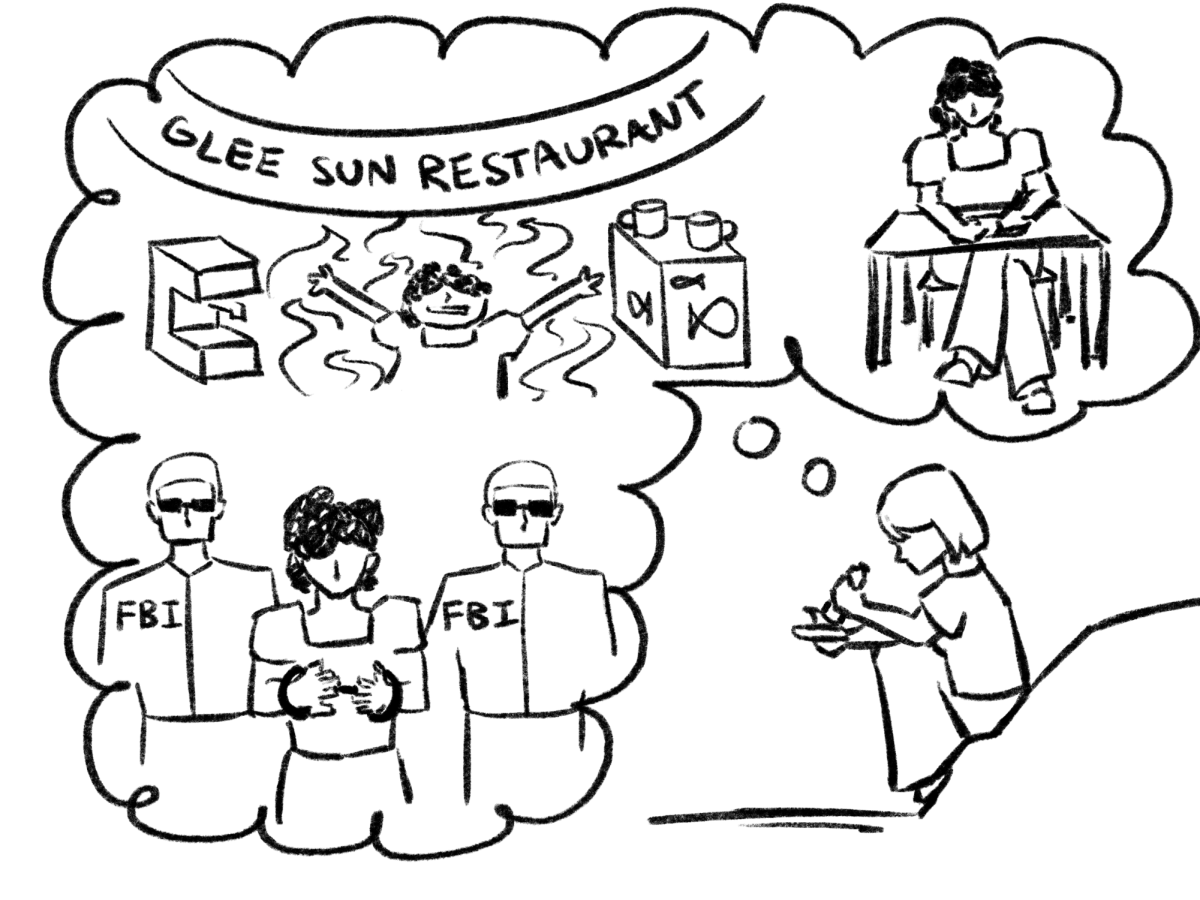



When the administration unveiled the new 10-minute break on Wednesdays, reactions were split into two camps: those who celebrated like the Berlin Wall had fallen, and those who mumbled that ten minutes meant nothing. On paper, it made sense. Four hours straight of classes can be brutal. This break, as we were told, could create space for rest and transition. Theoretically. In practice, a goldfish high on caffeine going 90 on the freeway while getting a scolding from its goldfish mother would be more productive.
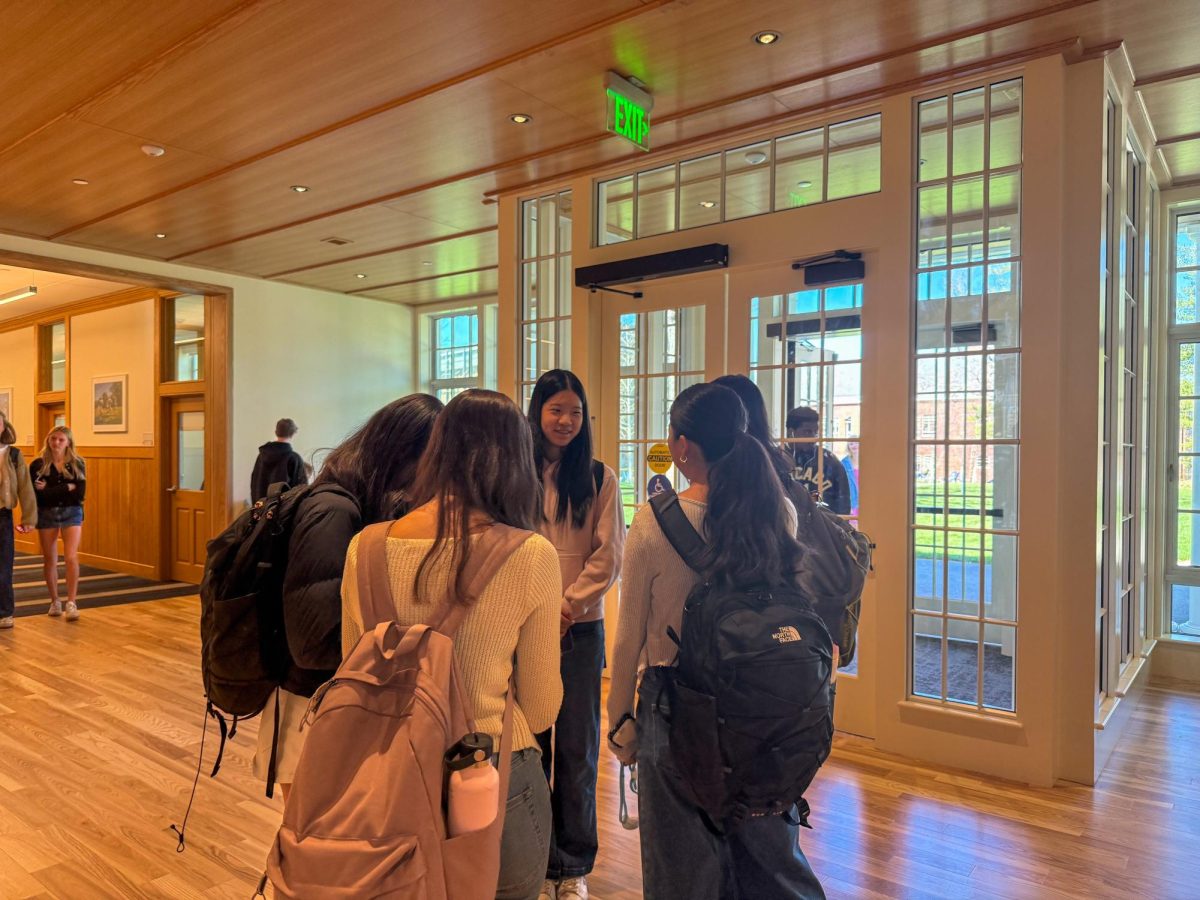
10 minutes sounds generous until you start counting them down. By the time you’ve packed your bag, fought through the hallway, and dodged a student booking it to Lister, you’re down to seven. Three of those are lost in line for a snack. Another vanishes into the great Nobles Wi-Fi void, which has somehow worsened over the past month. Suddenly, your calm, restorative pause, akin to a day at the spa, becomes a battle to keep yourself sane amidst the trenches of the Nobles war zone.
An article by Cynthia Boris on IndieMade, an e-commerce platform, entitled “10 Things You Can Do in 10 Minutes to Improve Your Life,” recommended “following people on Twitter.” If that’s the standard, then this break holds genuine transformative power. Ten sacred minutes to build a personal brand, to network with people who may or may not be real humans, to ascend. Socrates walked so Cynthia Boris could tweet. Unfortunately, the universe does not apply this same ten-minute logic anywhere else. Homework does not shrink itself into a neat ten-minute slot. Canvas assignments rarely fall into digestible micro-doses. Friends remain impossible to locate if they’re walking up from Lister. Napping is a direct path to emotional ruin. The only logical option becomes abandoning your Nobles identity entirely and becoming something else for ten minutes. Once 11:00 hits, the campus fractures into three distinct species, none officially recognized by the Science Department, but highly observable in the wild.
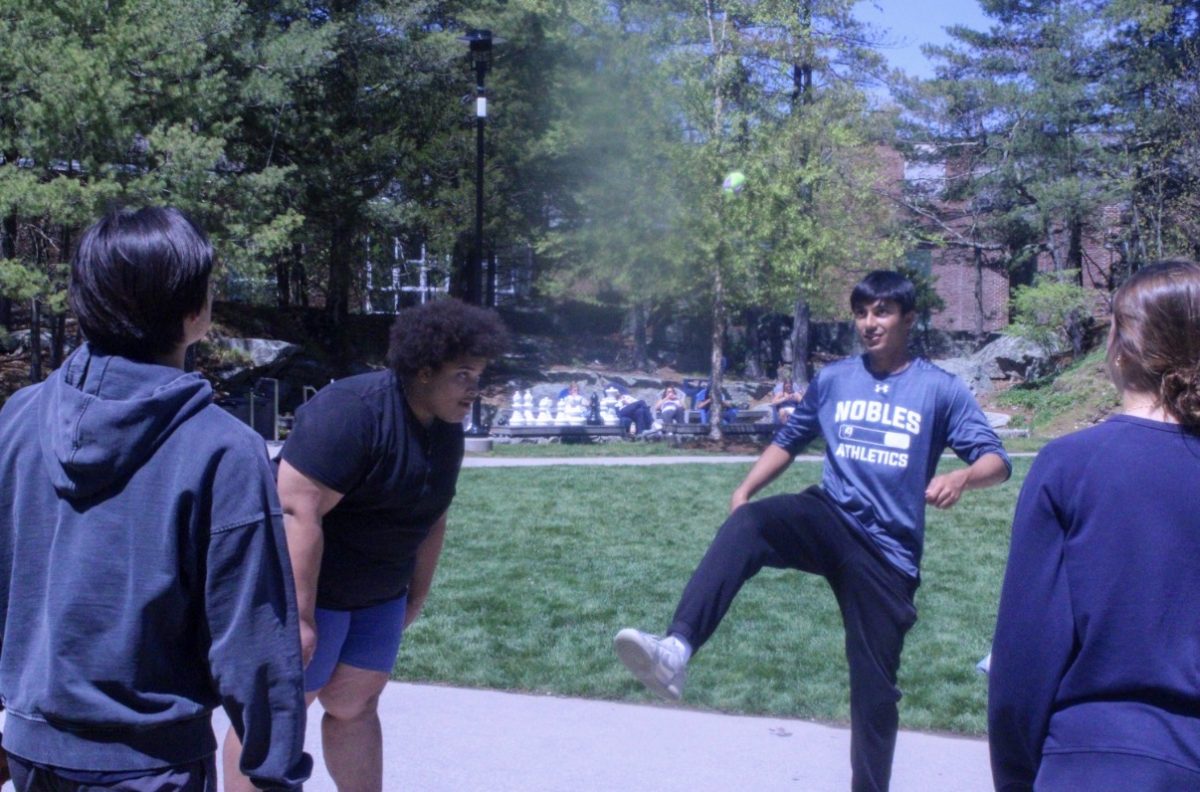
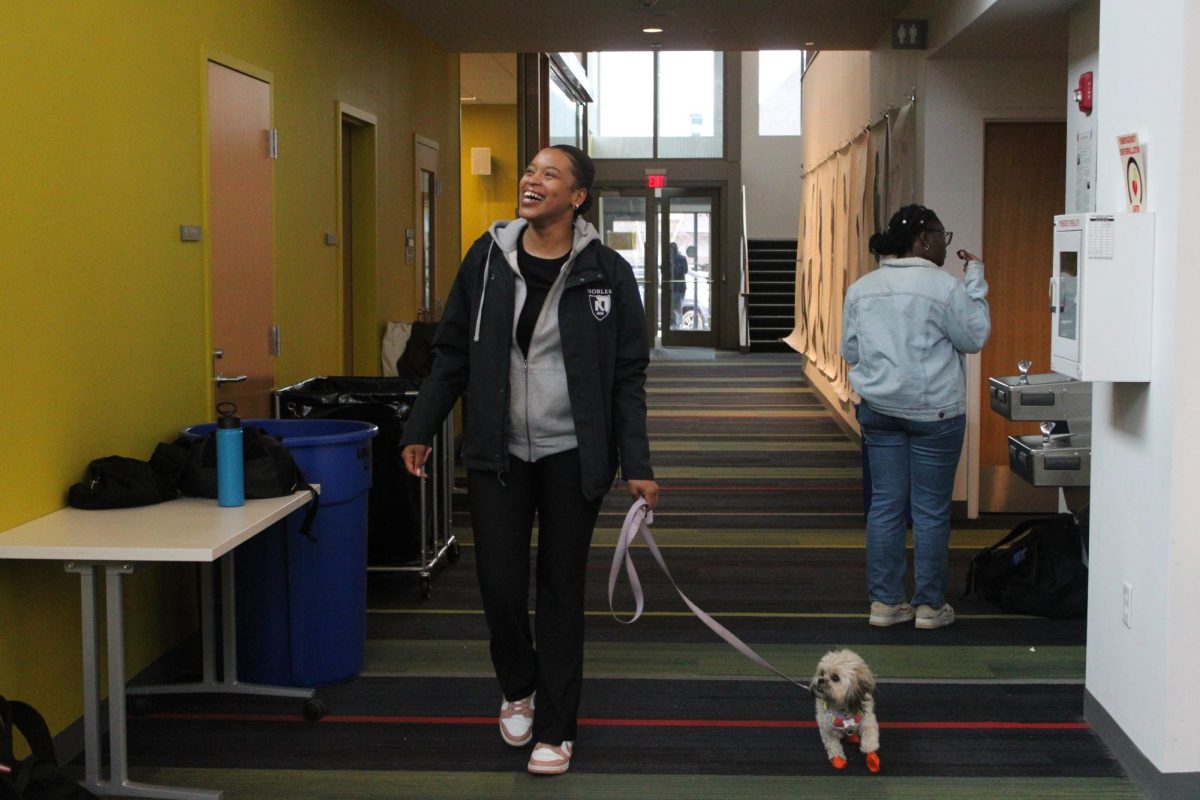
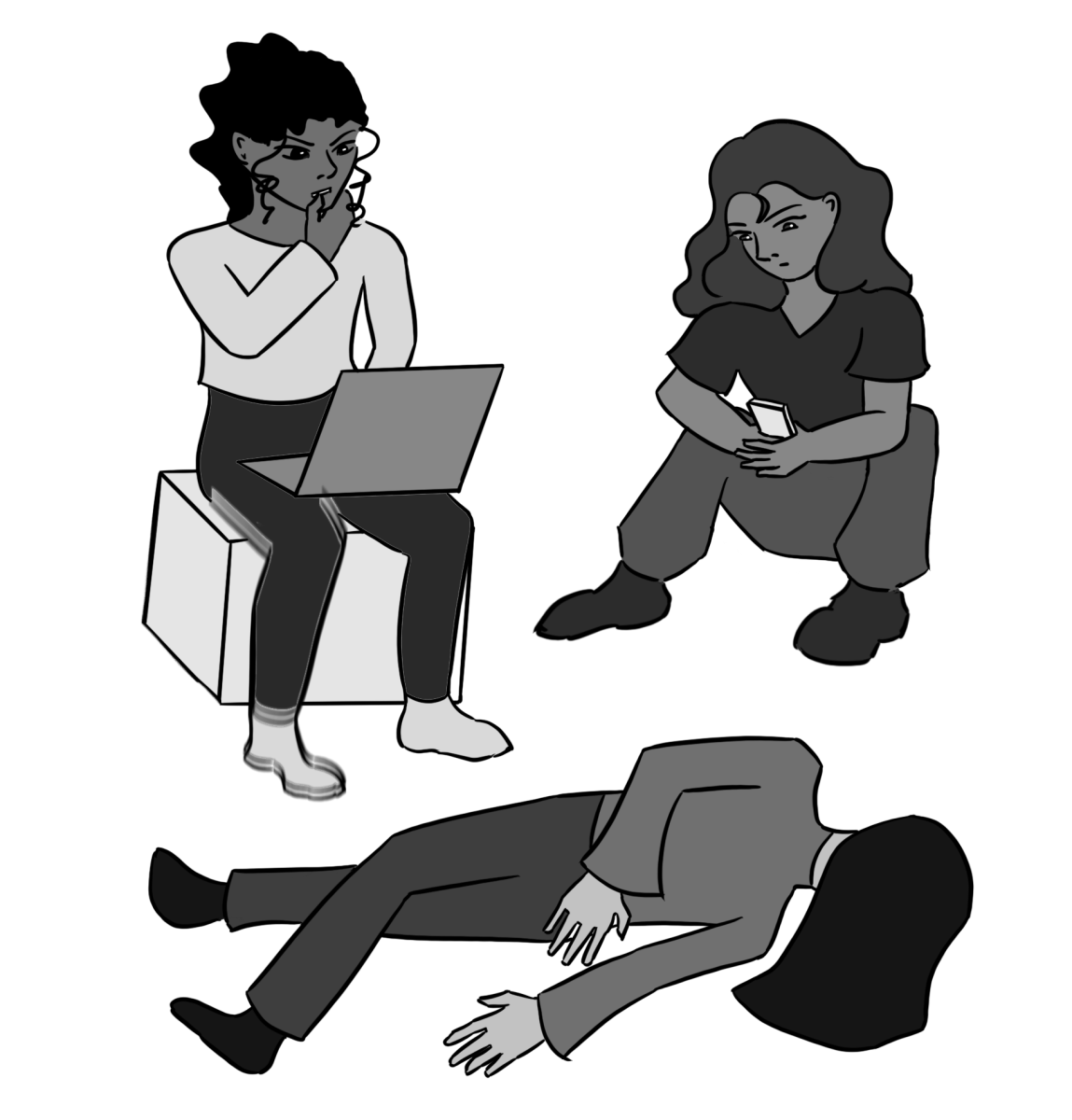
The first group is the Drifters, students who begin walking for no discernible reason. They complete full laps around the Castle and library with the apathetic determination of mall-walkers. They don’t talk, don’t blink, don’t seem tethered to any known place of existence; they simply drift, carried forward by the laws of physics. It’s quite beautiful, really, and David Attenborough could make a killer documentary out of them.
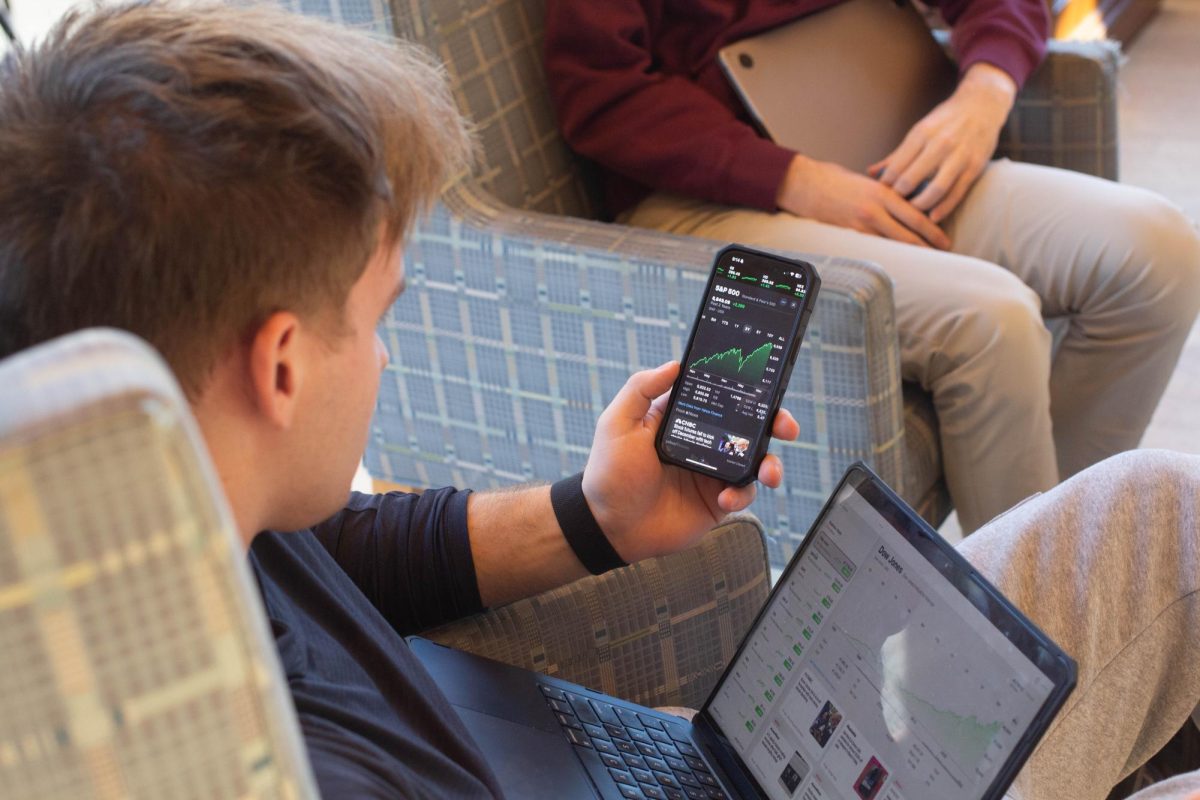
The second species is the Hyper-Optimizers, those who treat the break like an entrepreneurial accelerator program. They mutter phrases like “ten minutes is actually a lot of time” while creating new to-do lists that will never see the light of day again. Their screens stay dark. Their hustle remains theoretical, peer-reviewed by no one, funded by nothing, powered only by delusion.
The third category is the Decomposers, who collapse instantly wherever they stand— benches, floor tiles, random corners—and stare ahead waiting to be activated. Ten minutes is enough time for them to question the structure of society, their sleep schedule, and whether anything is real.
There is also the elusive fourth category of people who sit around and do something along the lines of playing Geometry Dash or watching reels. However, they’ve always been there; like gravity, they’ve been there since the dawn of time, and they’ll still be there after the sun explodes.
Most of these students reach a flow state and can switch between all these categories at an alarming speed: drifting, optimizing, collapsing, and repeating. The ten-minute break proves that we are not capable of resting for even a moment. It’s always go-go-go; we don’t have time for these micro-pauses because they just don’t jive with us. Taking a walk through campus during break nothing but confirms this. Students open and close the same email five times, like it’s their fridge, and they’re waiting for a jar of peanut butter or the holy grail to spawn in. They sift through canvas assignments like a chronic gambler flipping cards, praying for the mythical “quick assignment” that seldom exists. A few brave and bold pioneers take on new hobbies. Someone will pull out a book, read a sentence, but will immediately feel the weight of the clock breathing down their neck. Another will open a notebook with the intent of getting a few math problems done, then close it because, again, ten minutes is closer to a psychological countdown than an opportunity. Every now and then, someone stirs whatever’s left in their coffee cup with the energy of a person trying to summon motivation, and for a moment, it looks like a ritual rather than a break.
By week two, I tried to use the break “productively.” I made some simple goals for myself, really abiding by the age-old saying of “start small”: finish a paragraph, send one sincere text, and achieve inner peace. Instead, I stared at the clock and could feel my sanity dissolve. Ten minutes became both eternal and infinitesimal. I walked into class like a Sims character, chugged a gallon or two at the water fountain, deleted half my to-do list cause I felt like it, retyped a blow-by-blow of a 2017 Panera Bread argument about whether pesto counts as sauce, and felt my vision fold into nothingness as I began clawing at my eyes begging to let the Nobles dawg within me out of its cage.
People say the break prevents burnout, but mostly it just gives everyone ten minutes to malfunction in creative new ways. For me, I used this break to write this very article. By 10:08, the letters on my screen started melting like someone had left my article on the surface of the sun. By 10:09, I was typing in a language I’m pretty sure I invented on the spot. By 10:10, the only thing holding me back was the hardware limitations of my laptop as my fingers moved between tabs at speeds Einstein couldn’t even theorize.
Then, without even taking a glance at my phone, my never-failing internal clock lets me know ten minutes have passed since my next class’s Google Calendar ping. Just as Jesus did 2,000 years ago, I awaken from my cave (the quiet room), move aside the boulder at the entrance—pulling the door despite the giant “PUSH” sign—and ascend to the heavens (AP BC Calculus).