
















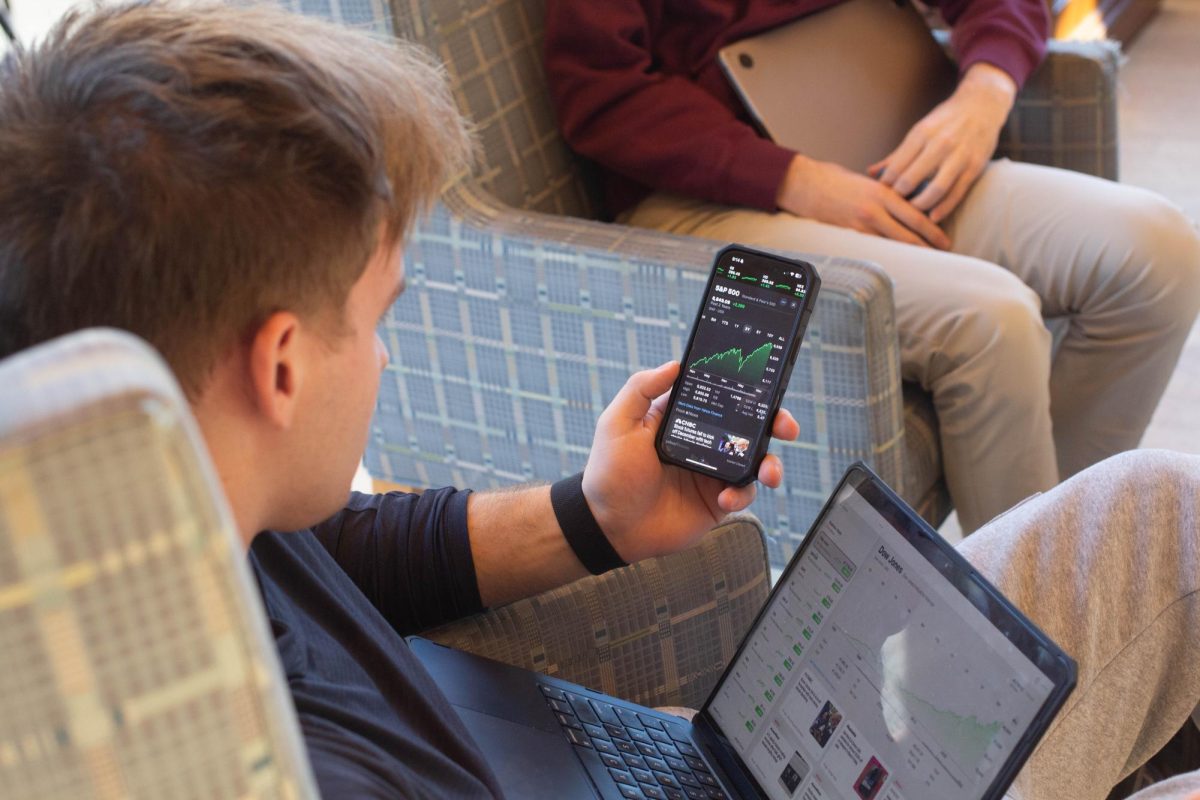
If you’ve ever sat next to someone in class and caught them meticulously examining stocks they don’t own, lingering on vacation photos, or combing through a list of homework assignments like it’s Vogue Magazine, congratulations, you’ve witnessed performative computer use in action.
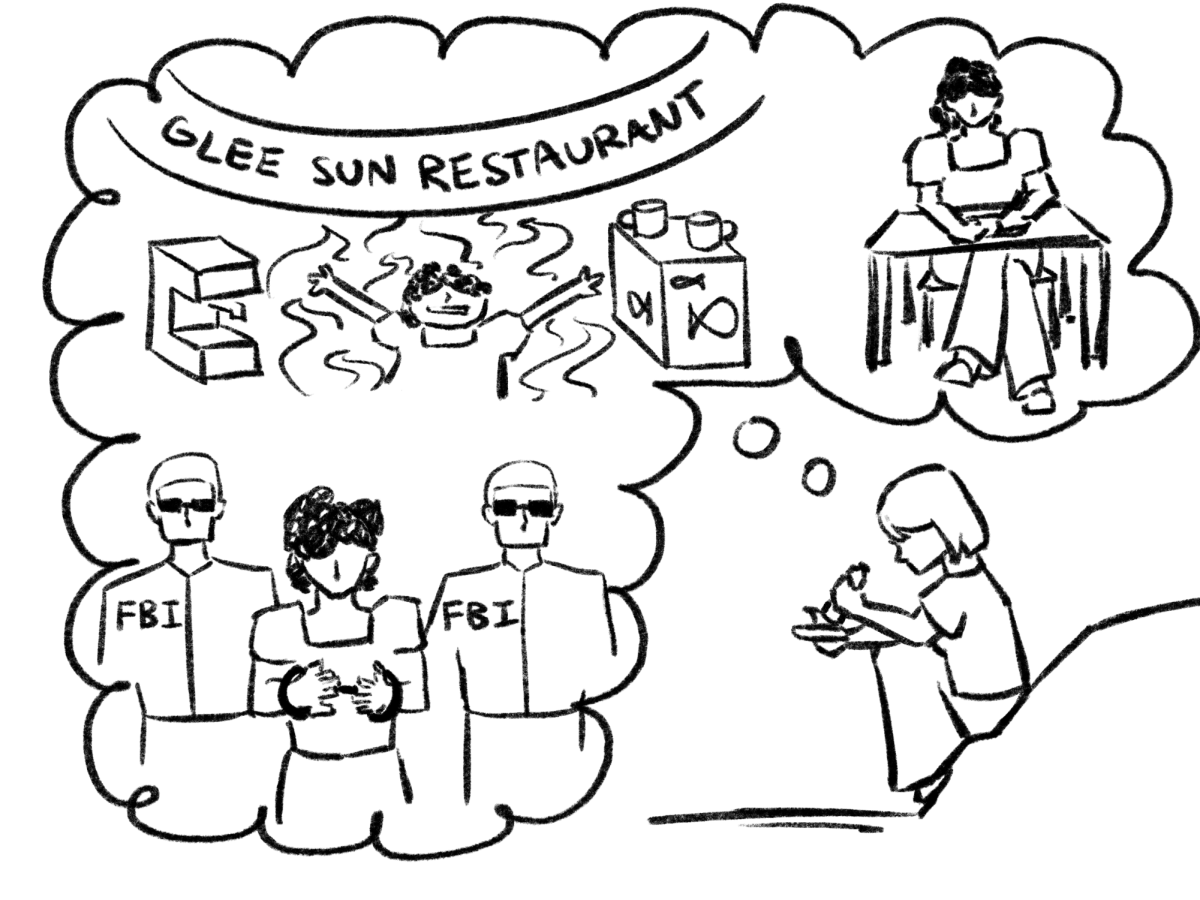
Performative computer use is a kind of theater. “[It’s] looking at things that you don’t need to be looking at, just because you know the person next to you is watching, and you want to appear like you’re doing something,” Erin Campbell (Class I) said. Suddenly, every tab becomes a prop, every spreadsheet a stage, and every essay draft a dramatic monologue waiting for an audience. Vacation photos are conversation starters, and your assignment lists don’t just showcase obligations; they’re a trophy, a quiet way of saying, ‘look at me, I am drowning in responsibility and thriving.’
Serhan Marvi (Class I) said, “People care a lot about their image. They chase the reaction from other people more than the actual accomplishment of achieving their task.” Performative computer use, at its core, is not about doing the work, but rather signaling to the world that you could do the work if you really wanted to. In the quiet room, even opening a tab at the right angle or pretending to type furiously can feel like a small victory.
Carina Grossman (Class I) said, “People put the things on their screen that they want other people to notice and therefore think of when they think of that person.” A spreadsheet can become a subtle declaration of competence; that half-finished essay turns into a signal that you are tackling big ideas and intellectual challenges, just maybe not right now. Performative computer use can thus signal, ‘I’m doing something unique’ without a single word being spoken. “Maybe it’s the digital equivalent of flexing fancy clothing or wearing a college sweatshirt, but a little more understated,” Campbell said.
Sometimes, performative computer use conveys status or taste, as opposed to academic capability. Grossman said, “It’s less about showing people that you’re winning and more about showing that you do stuff, that you’re smart, you’re productive, but not necessarily a quantifiable win.” Open the stock app, scroll to a market you barely understand, and pause dramatically: instant impression of sophistication. Flip through a list of unfinished assignments with just the right amount of sighing: instant aura of overachievement. Every click is choreographed, every glance intentional.
Of course, performative computer usage is not solely for the benefit of those around them. Marvi said, “Performative computer use can give people the confidence to actually begin their task.” A well-curated screen can trick you into productivity, or at least make you feel like the kind of person who could be productive. While performative computer use can boost one’s own motivation, it also shapes how people invite social interaction. “Some people are just asking other people to ask them about their lives. Everyone likes to talk about themselves,” Campbell said.
The environment matters, too. Nobles’ competitive atmosphere encourages these subtle performances. Grossman said, “Students are consciously or subconsciously competing to look smart and productive.” Even small gestures, a strategically minimized game window, a screen slightly angled towards a peer, or a document left open just long enough for someone to notice, can all indicate cleverness or sophistication to the surrounding people. “Being in a high-stakes environment where everyone is the best academically and athletically encourages performative behaviors,” Marvi said.
So the next time you see someone scrolling with precision, don’t just assume they’re working. They are most definitely performing. They are a one-person Broadway show disguised as a student. That quiet typing? It’s not notes, it’s dramatic tension. That perfectly timed sigh? It’s not frustration but character development. And if you glance over and catch them staring at a chart they barely understand, just know: you’re witnessing an Oscar-worthy performance of ‘I am sophisticated, busy, and vaguely intimidating,’ all without ever leaving the chair. Bravo. Encore.