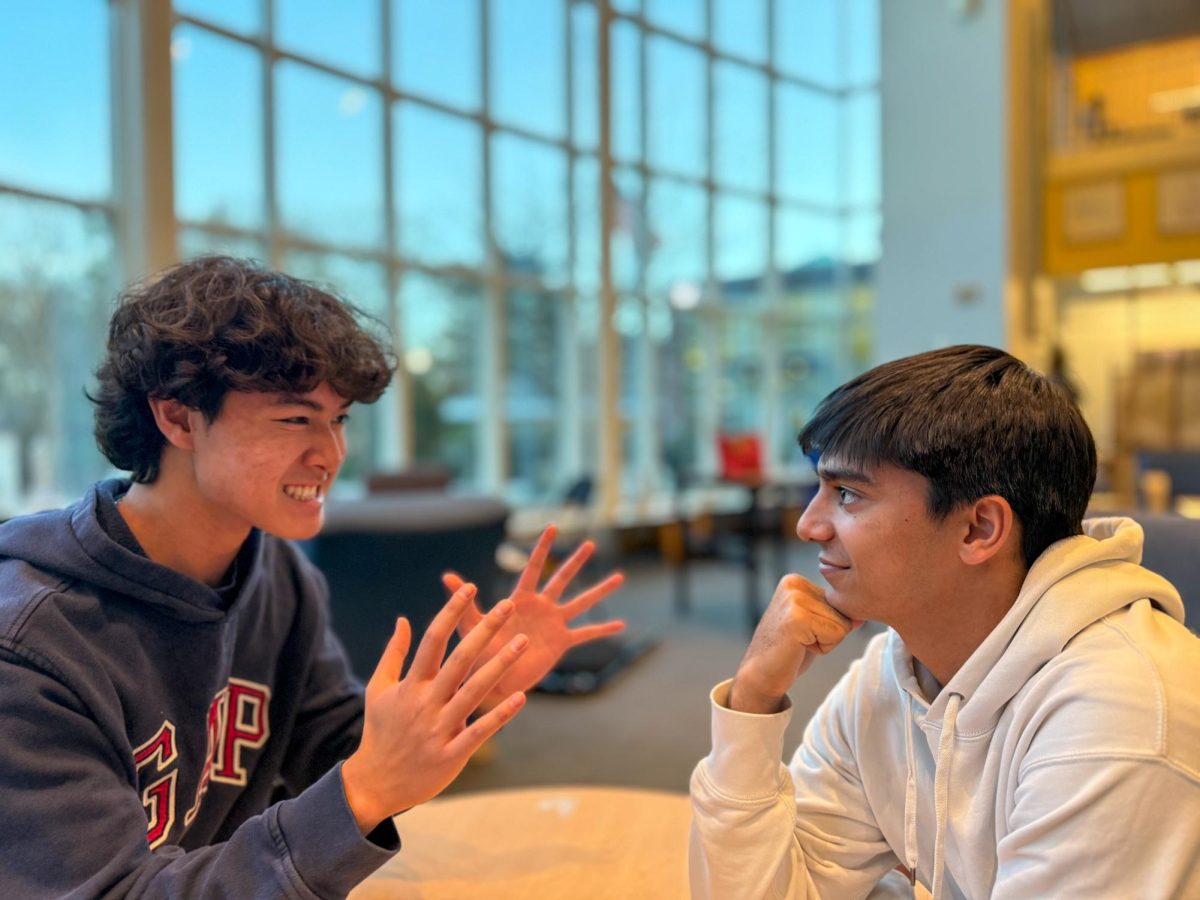






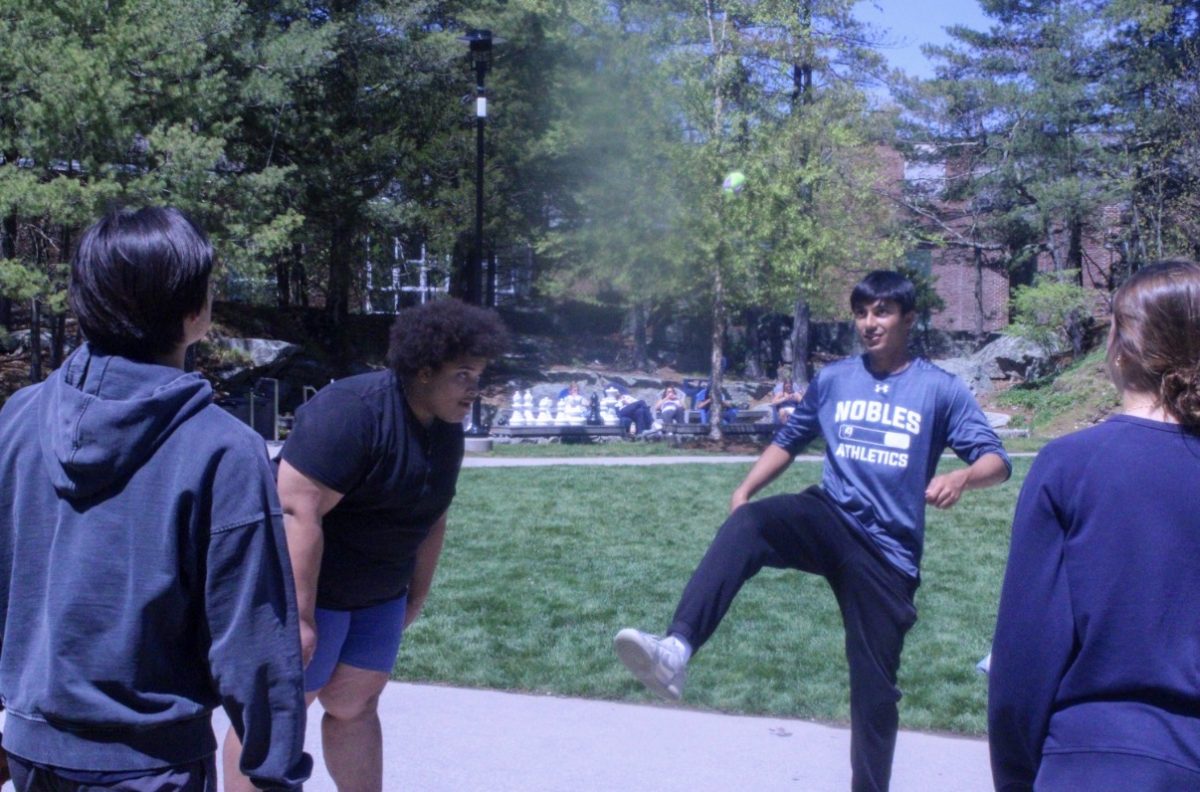















Taking on the role of a captain for a Nobles sports team entails maintaining a strong sense of camaraderie and competition within said team’s community. Captains are responsible for equipment and must serve as role models for the rest of the team. These requirements are shared with captains up front, before they run for the position. However, there are additional, implicit requirements that captains must meet, such as organizing team dinners and snacks for competitions, as well as spending money on auxiliary costs to uphold team traditions.
These tacit requirements can pose a financial burden on prospective captains and dissuade some from running. “I definitely thought about the captain position as a concept for cross country, but I ultimately decided not to run,” Yiling Ding (Class II) said. “I came back to cross country in junior year, and I started realizing that being a captain is not just about leading the team in warm-ups. There’s a lot of behind-the-scenes action.”
The “action” Ding speaks of is primarily the facilitation of team dinners. “Team dinners were usually hosted by the captains. I realized there’s a lot of money put behind all these meals, because there are over 30 of us on the team. Generally, when we go to the captains’ houses, I notice they have very large houses, and they seem very comfortable hosting many people. I just can’t conceive of a way for me to host a team dinner and have it be on par with what people expect,” Ding said.
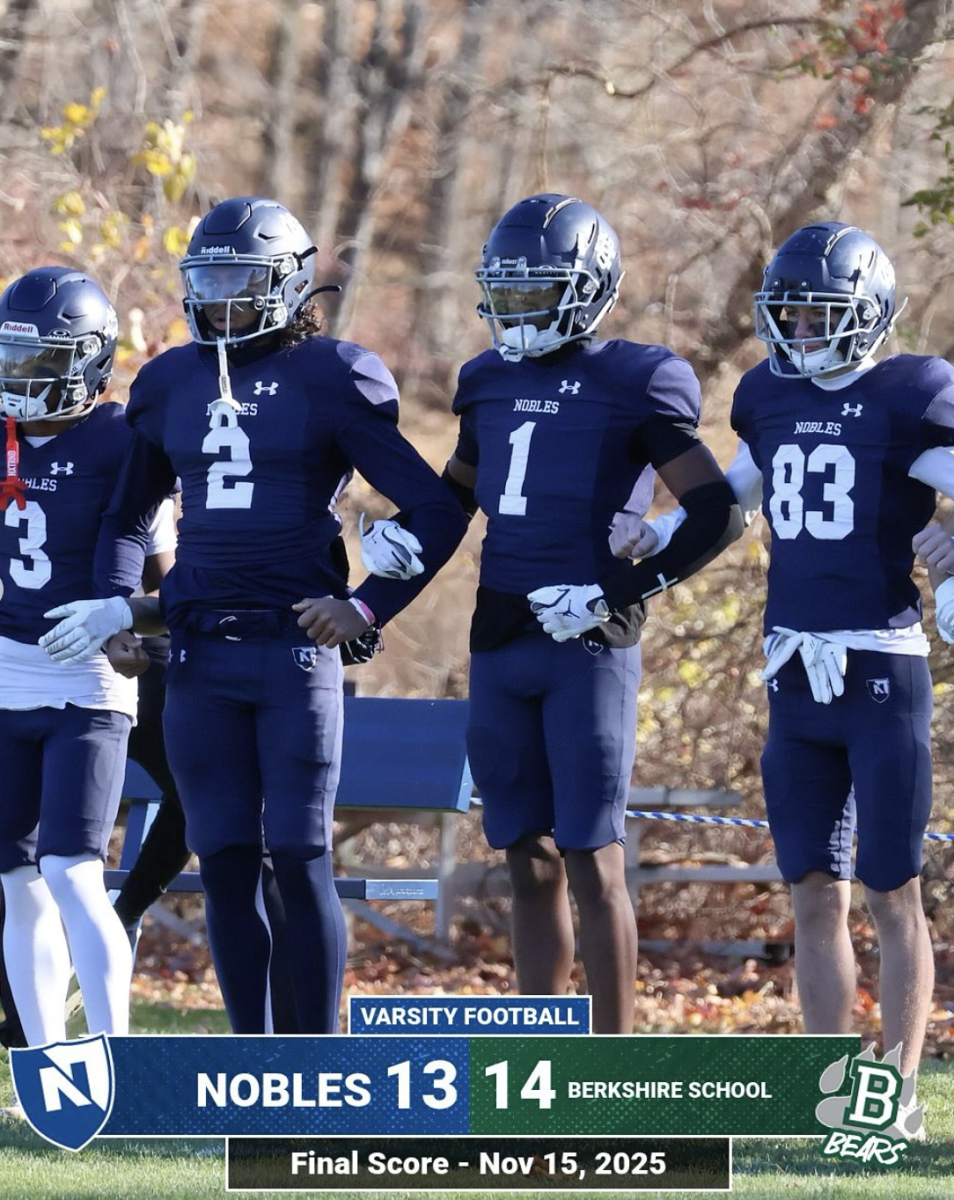
The cost of team dinners is determined by the amount and type of food purchased, as well as the team dinner’s venue. Hosts and co-hosts shoulder the responsibility of procuring dinner for the team as well as providing space to eat and hang out afterwards. “I wouldn’t say there’s a pressure to host, but I feel like, as a captain, it’s a good idea to step up and provide a place for everybody to come,” Varsity Football Captain Mac Bianchi (Class I) said.
Being a captain for a larger team involves the challenge of finding a venue large enough to accommodate everyone for a team dinner. Boys Crew Captain Vedant Kulkarni said, “I think one of the byproducts of rowing for a team like Nobles Crew is that you will find some people who have houses where they can accommodate more people than others, but I definitely don’t think that it’s the case where if you don’t have a house that can fit 40 to 50 kids with ease, it’s looked down upon to host.”
Beyond team dinners, captains are often responsible for purchasing snacks for competitions, though they can outsource this responsibility to the families of non-captains via sign-up forms. That said, large quantities of snacks still need to be purchased, and it is often up to the parents of the captains to ensure this is done. “You need to make sure people do’’t go hungry. Typically, the captain’s parents will come out and organize a tent near the race course,” Kulkarni said.
In addition to snacks, many teams have small traditions before competitions that require purchasing certain items, for which captains, whose role is to uphold these traditions, are ultimately responsible. On the Girls Cross Country team as well as the Girls Crew team, hair ribbons are bought before each race. “I would say the ribbons cost 50-ish dollars, but I mean, it’s always worth it,” Girls’ Cross-Country Co-Captain Christina Hall (Class I) said.
There are effective ways to alleviate some of these costs, so team captains are not forced to assume the expenses of upholding traditions. The Girls and Boys Crew Teams have a fee that families must pay before the season starts, allowing the team to purchase necessary resources and repair damaged boats.
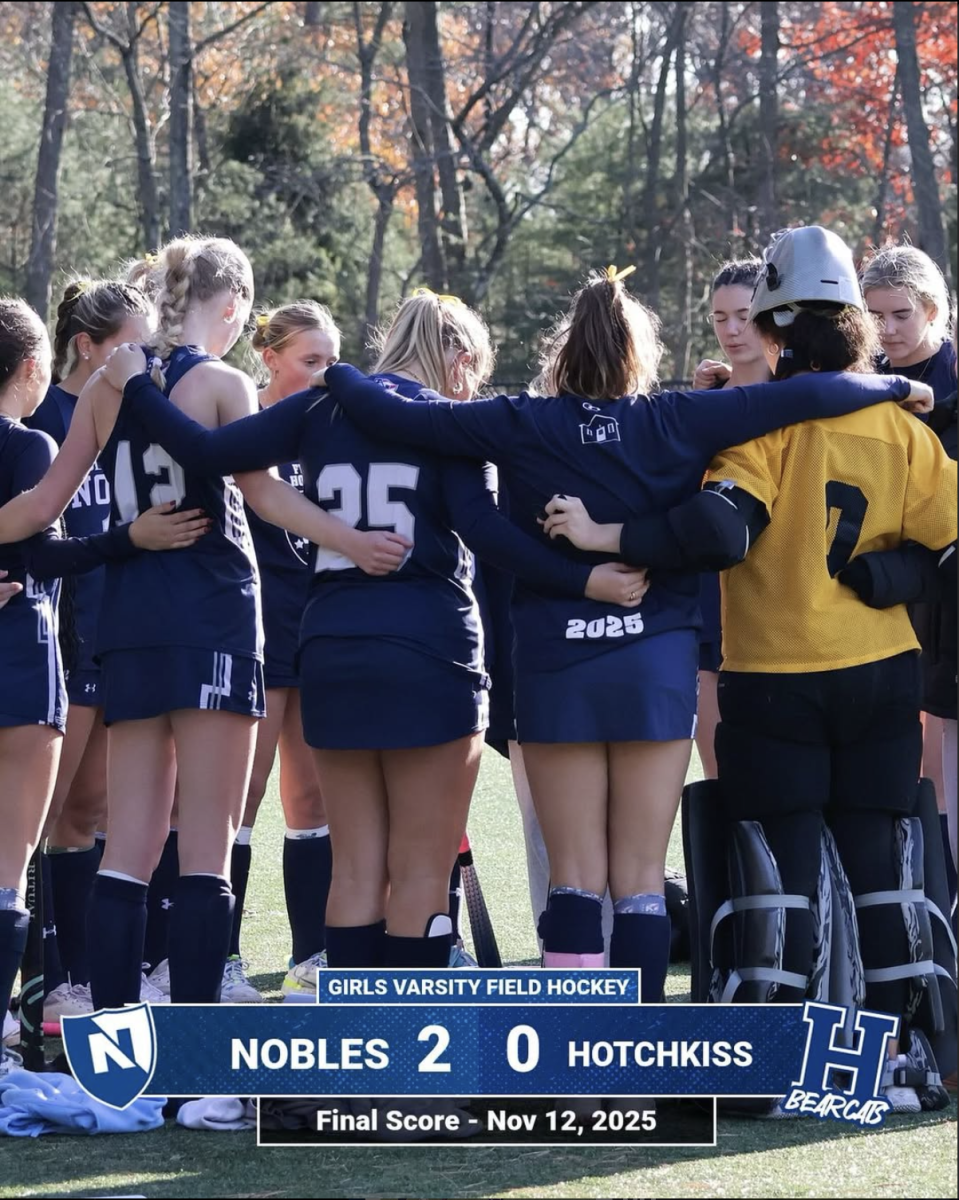
Along with fees, co-hosting can help mitigate individual financial burdens. “Everyone plays a role in getting stuff for the team, and I feel like it’s a very fair share of things. It might be a little skewed towards us captains and our parents, but for the most part, I feel like it’s pretty well distributed,” Girls Varsity Soccer Captain Brooke St. John (Class I) said.
In addition to having parents chip in, captains can also raise money themselves to finance their traditions. “We’ve been able to get small chunks of money from each family to pay for our summer camps. We might be doing a team car wash at the end of the year just to try to get that last little chunk of money,” Bianchi said.
While there are several expenses that captains are responsible for, there are ways of mitigating these expenses to prevent them from becoming a burden that falls on captains. Therefore, teams should continue to find ways to evenly delegate expenses so that everyone who wants to run for captaincy feels that they can, regardless of their financial situation.