


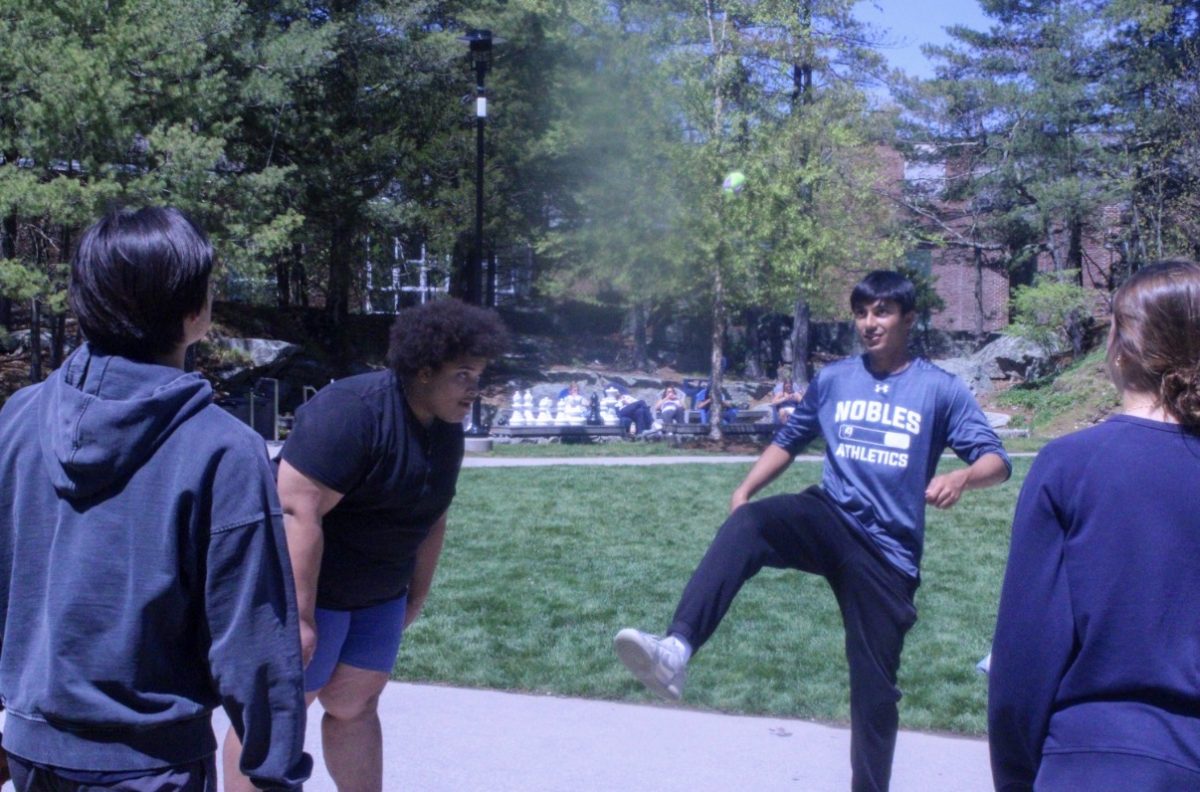

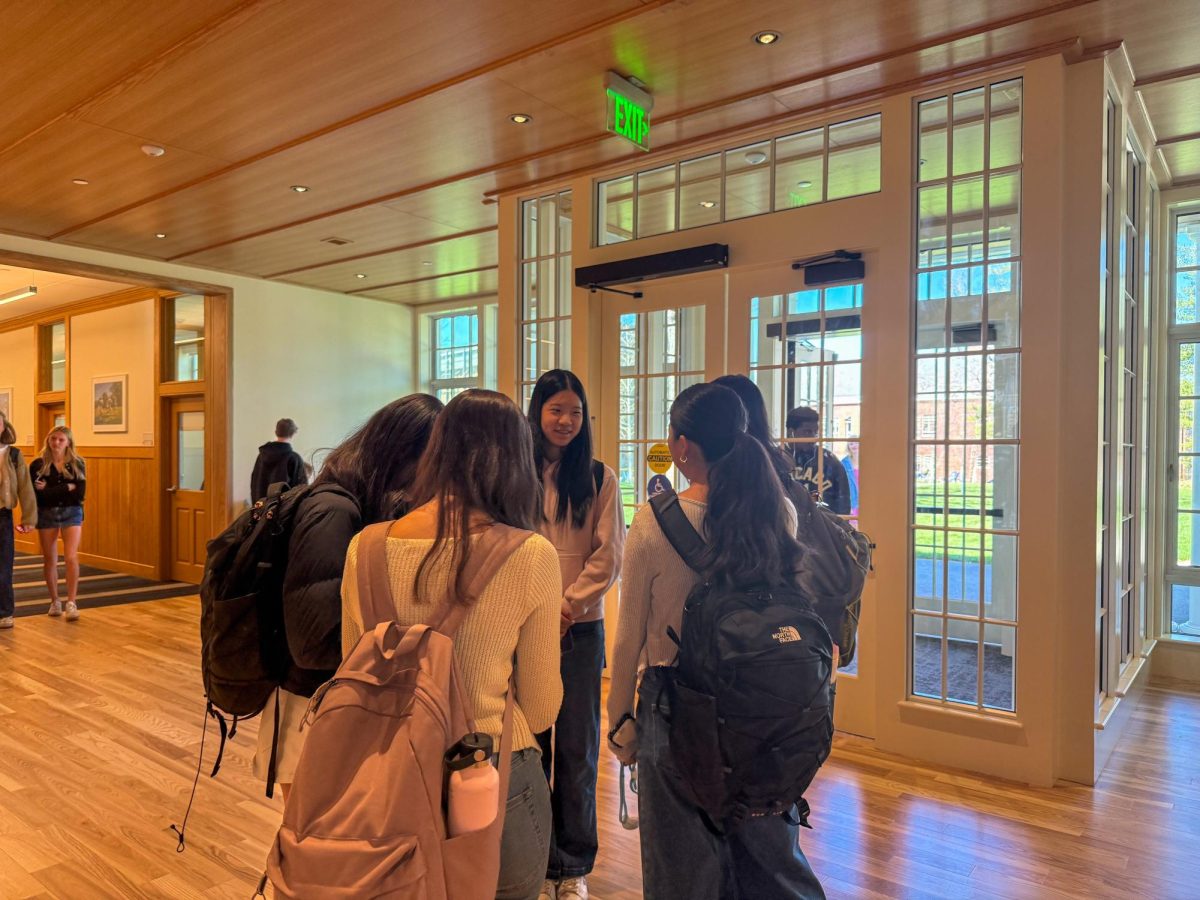


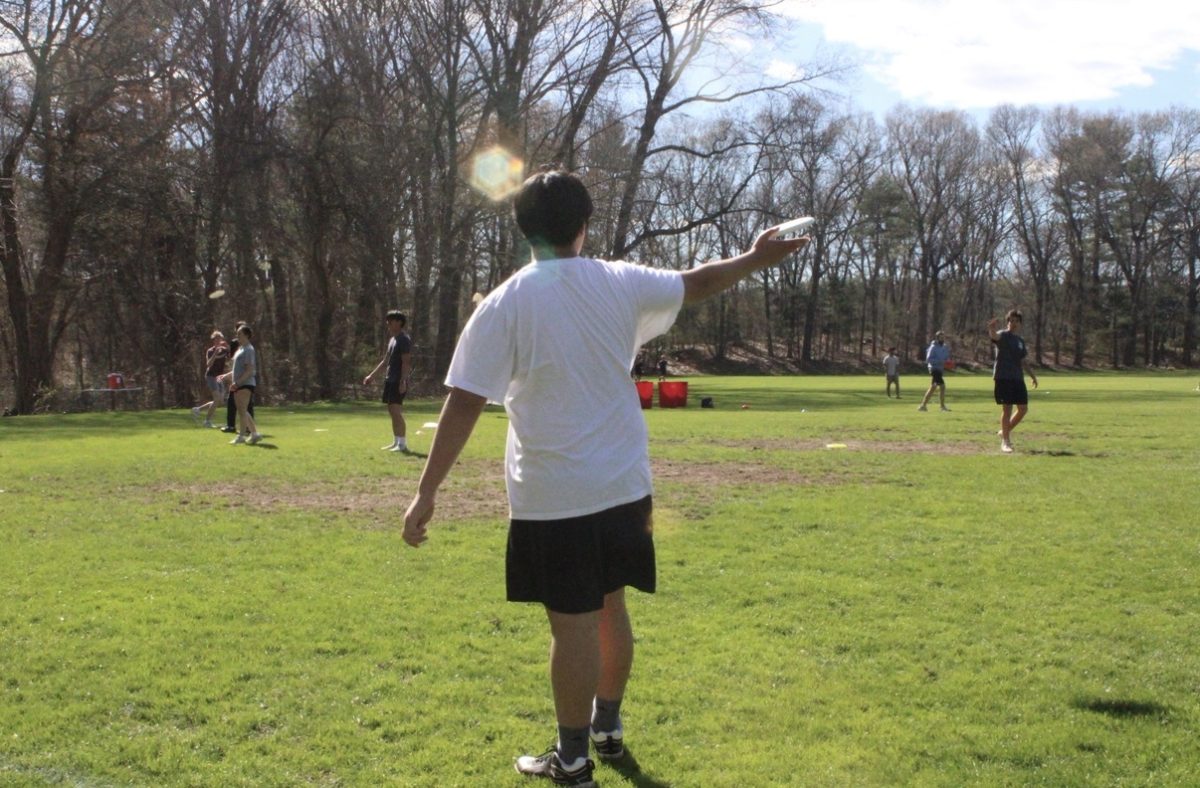




If you’ve so much as stepped on Nobles’ campus, you are sure to have encountered a creature common on our grounds: the rage-baiter. They sit in our classrooms. They play sports with us. They sleep through assembly like any other student. They are ready to pounce as soon as they see a student who looks just slightly at peace.
Rage-baiters have one unique talent: They can make you furious out of thin air. The Nobles rage-baiter is fueled by opinions that no one else wants to hear. If you got a bad grade on your physics quiz, hide. Soon enough, you’ll hear, “Have you tried studying more?” If you’re an athlete, you’re immediate prey. These rage-baiters will track you down and pester you with questions like, “What sport would you play if you were athletic?” Level 10 rage-baiters, the most advanced and professionally trained masters, can rage-bait you just by making a sound. They’ll walk by you on your trek to the Harrington apartments and just go, “Hm.” That’s the whole attack. You’ll be thinking about it for six hours.
Rage-baiters thrive on chaos like some underhanded underclassmen thrive on stealing snacks from the Castle. But to understand the craft of rage-baiting, you must first understand that these creatures see the world through a different lens. While the average Nobles student spends their time thinking about homework, lunch, or why teachers park in the blue spots at McLeod, rage-baiters walk through campus scanning for an opportunity. The campus ecosystem has unintentionally nurtured the rage-baiter species. Much like invasive plants, rage-baiters don’t need ideal conditions to thrive; they will grow anywhere and spread alarmingly fast. With its ability to bring together students across grades, the library alone has produced at least three different subspecies of rage-baiters: the instigator, the gaslighter, and the manipulator.
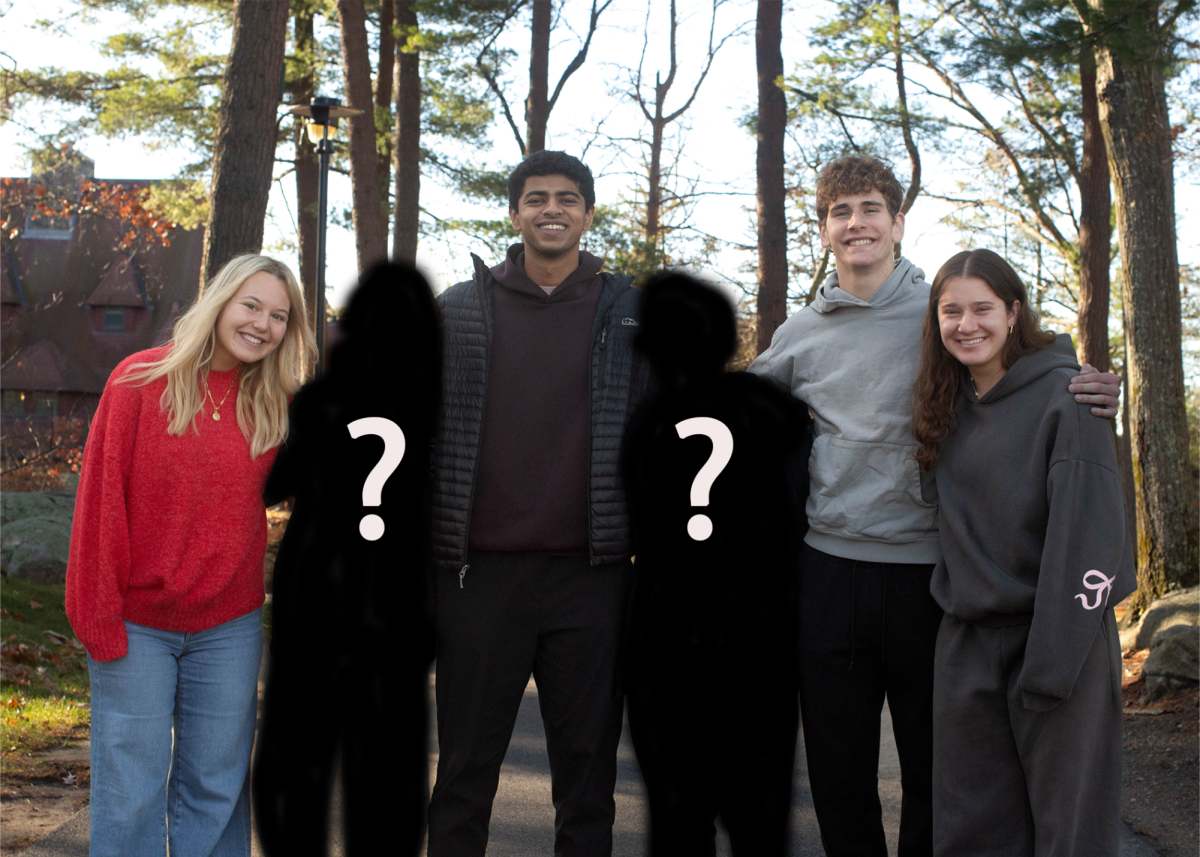
Rage-baiters, despite their differences in style and tendencies, share an internal, unspoken code of conduct that has been passed down from one generation to the next. Jack Mullins (Class II) said, “Make it personable, make it relatable, and be persistent.” Rage-baiting relies on precision: The insult must be personalized and tailored to each victim. Generic annoyance will not suffice. The rage-baiter must know, with absolute certainty, which buttons to push.
But it’s not just about the comment, it’s about the moment. Each insult must be delivered flawlessly and at the correct time. Eghosa Inomwan (Class II) said, “Rage-baiting is a lifestyle.” To be a rage-baiter doesn’t mean occasionally making jokes; it means living in a permanent state of strategic instigation, always two steps ahead and ready with the next attack.
“Know who you’re up against. No two people are the same. Rage-baiting might not work on one person, but it might be even more successful on someone else,” Ikram Abdulle (Class II) said. There is a depth to this practice. Rage-baiters remember that one time you mispronounced a word in ninth grade, or the day your alarm went off in assembly, or the moment you misunderstood a joke and laughed three seconds too late. If you slip, even once, they will archive it as skillfully as the librarians.
Naeem Logan (Class II) said, “Instigating is even better than rage-baiting, because instead of rage-baiting one person, why not five?” He elevates the conversation entirely. He reframes the practice as more of a team effort than an individual one. Jason Douglas (Class II) said, “Why not 10?” This shows the ambition and competitive spirit driving the new generation of rage-baiters. They are innovators, pioneers even, expanding the possibilities of emotional disruption.
Rage-baiters generate chaos no one asked for, but somehow, no one can imagine their days without them. As much as we can claim to despise them, rage-baiters give Nobles its texture, its inside jokes, and its entertainment. So long as students roam these halls, the rage-baiters will too, ready to strike again at the first sign of peace.