

















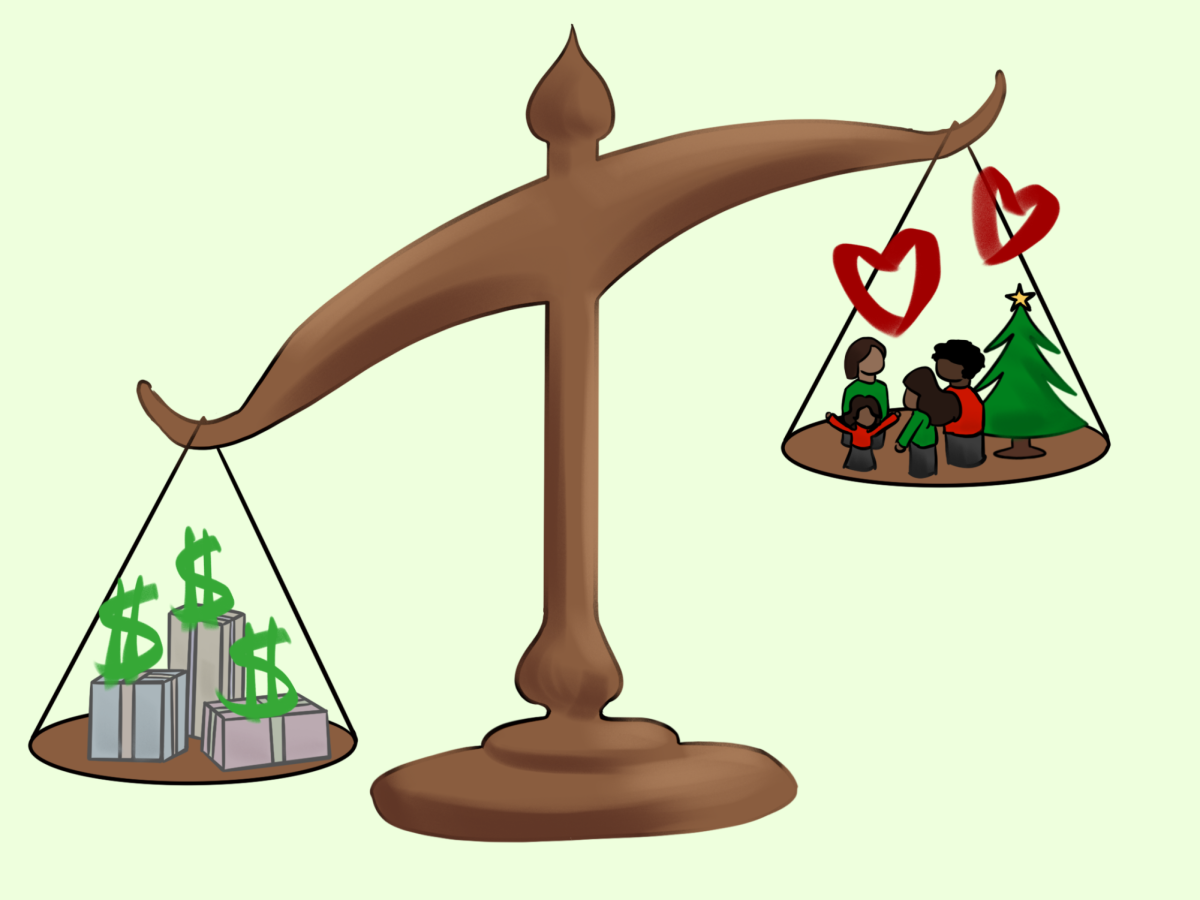
As the holiday season approaches, many people become so focused on receiving and buying gifts that the true meaning of the holidays is often overlooked: spending time with loved ones. “Holidays have definitely become more about gift-giving rather than spending time with your family. When people’s minds are only set on comparing what they got with other people, the intentions behind the holidays get corrupted,” Jacinta Wangari (Class I) said.
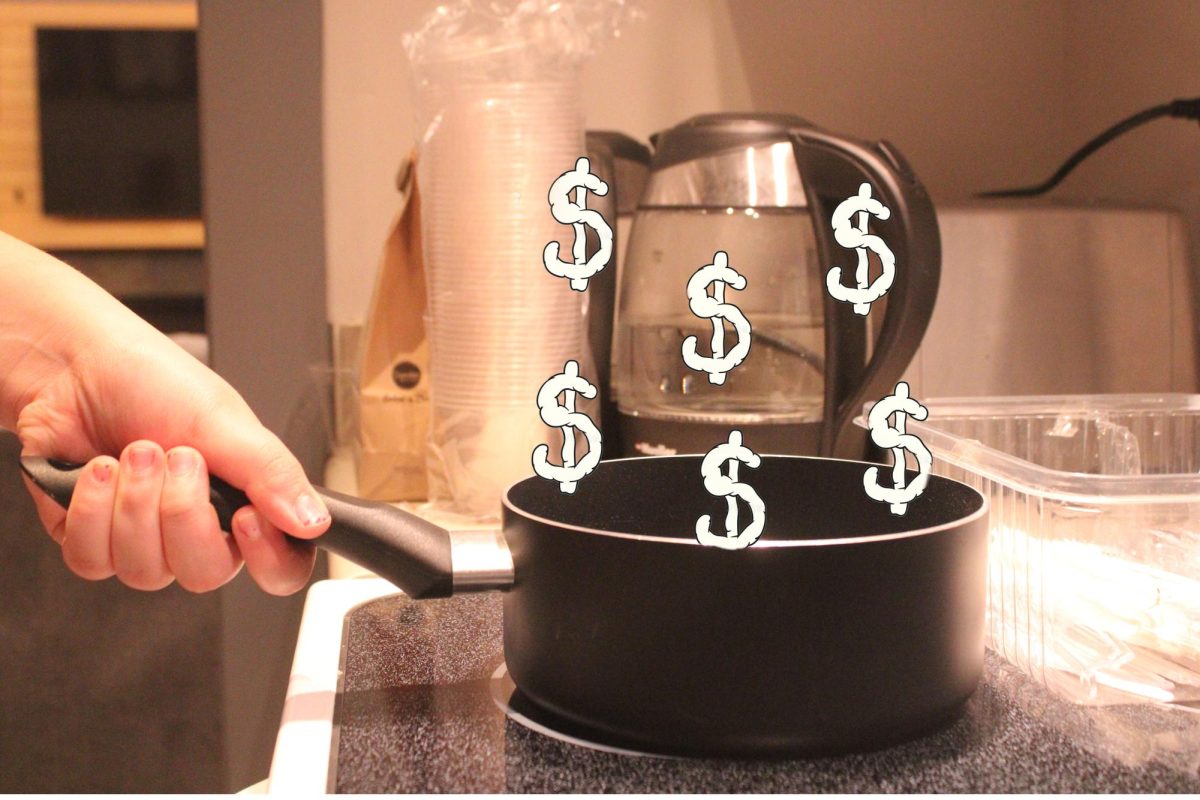
Consumerism has always peaked during the holiday season, particularly with the rise of social media trends like Christmas hauls. Secret Santa, White Elephant, and wishlist apps, such as GoWish, which are promoted on TikTok, also contribute to the holiday splurge. “A lot of brands amp up their marketing during the holidays to get people to buy stuff for their loved ones. Most people enjoy giving and receiving gifts during this time. I would definitely say that marketing has gone up because there are more platforms for brands to market on,” Rhea Shah (Class I), an Environmental Action Committee Co-President, said.
With the convenience of these social media platforms and the ease of advertising products nowadays, trends are changing faster than ever. “Trends used to be long-term. For example, a trend like red lipstick lasted for years. But nowadays, trends will last a month and then switch,” Landon Zou (Class II) said. By scrolling on TikTok, one is constantly discovering new products. Around the holidays, you are given a free opportunity to acquire these items. Consumerism reaches its peak on days like Black Friday and Cyber Monday, as nearly everything is on sale.
Beyond the financial cost, there is a definite negative impact on the environment of holiday consumerism. The packaging of toys is often discarded, resulting in tons of plastic accumulating in landfills. “It also comes down to the wrapping. You don’t necessarily need to wrap every gift, because you’re not going to save that wrapping paper,” Shah said. In addition to the excessive use of wrapping paper, many one-time-use products, such as holiday decorations, are bought at this time. “Buying a lot of products that are never going to be used again for a Thanksgiving dinner or whatever holiday you celebrate, to please other people, is not environmentally conscious, as they will eventually accumulate in landfills,” Wangari said. Excess shipping during the holidays also contributes to environmental harm. When Amazon orders skyrocket, there will be a significant increase in driving and flying to deliver packages, resulting in higher carbon emissions during the holidays as people rush to get their gifts on time.
“As far as how it affects supply chains, it really doesn’t, because all this stuff is forecasted in advance. So it’s not catching producers by surprise. Most of the orders for toys for the holidays are placed in March, so you’re dealing with almost a nine-month window to get ready for the holiday season,” History and Social Science Faculty Brian Day said. Although holiday buying surges rapidly, businesses are already prepared far in advance, and the economic side of the holidays is controlled. “There are certain stores that can count on the time between Thanksgiving and Christmas making up 40-60% of their entire year’s revenue,” Science Faculty Regina Campbell-Malone said. The holiday season is undoubtedly a time when businesses generate the most revenue.
The holiday season can be a less stressful time if people focus more on forming connections with loved ones rather than making sure every item on their wishlist is checked off. Certain holidays, however, emphasize the importance of giving thoughtful gifts and discourage consumerism. “Kwanzaa is not a commercial holiday. You’re encouraged to buy people small, thoughtful gifts or to make something. My sister made origami people and then glued everybody’s individual faces on them. They were called OrigaMe because they featured each recipient’s face,” Campbell-Malone said. Kwanzaa is less consumer-driven and more focused on connection, with an emphasis on giving gifts that loved ones will cherish for years to come. Wangari has similar fond memories of family traditions. “We go over to my cousin’s house. Everyone brings their own dish, and we have a potluck-style dinner, which is a lot of fun. Usually, my aunts and uncles will give each of the kids one gift, but it’s not a surplus of stuff,” she said.
Consumption increases during the holiday season due to the rise of social media trends and brand marketing. Furthermore, wrapping paper for gifts and buying an excess amount of presents that will be discarded in a couple of weeks or only used once contribute to the nationwide splurge. During the holidays, people should remember that the season is a time for family, laughter, joy, and creating memories that will last a lifetime.