



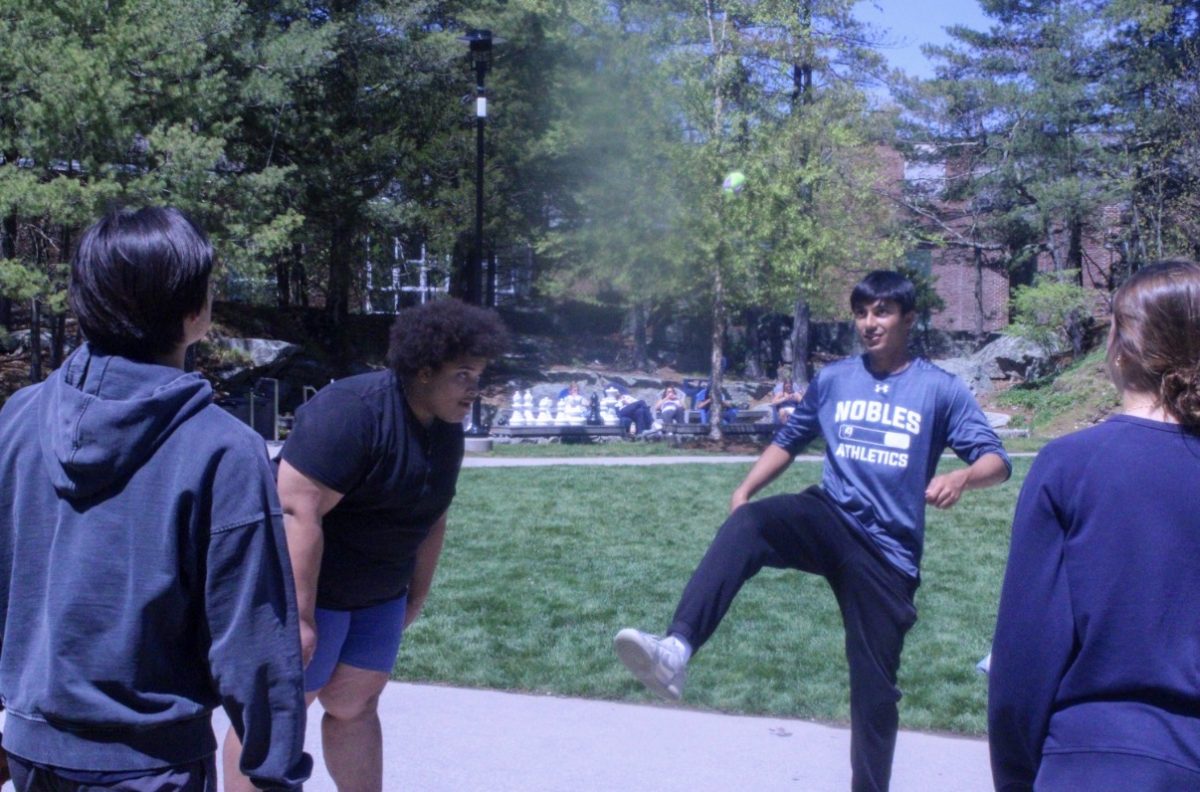


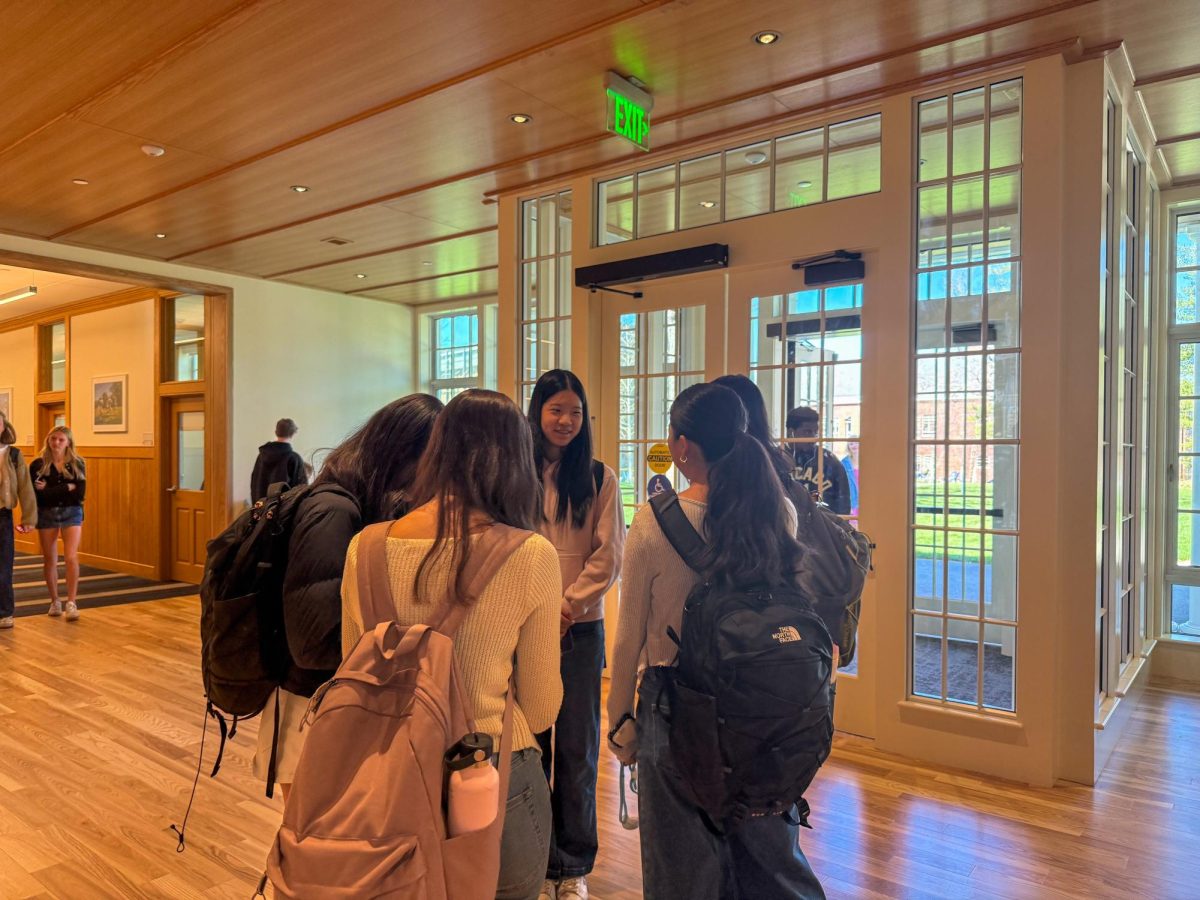







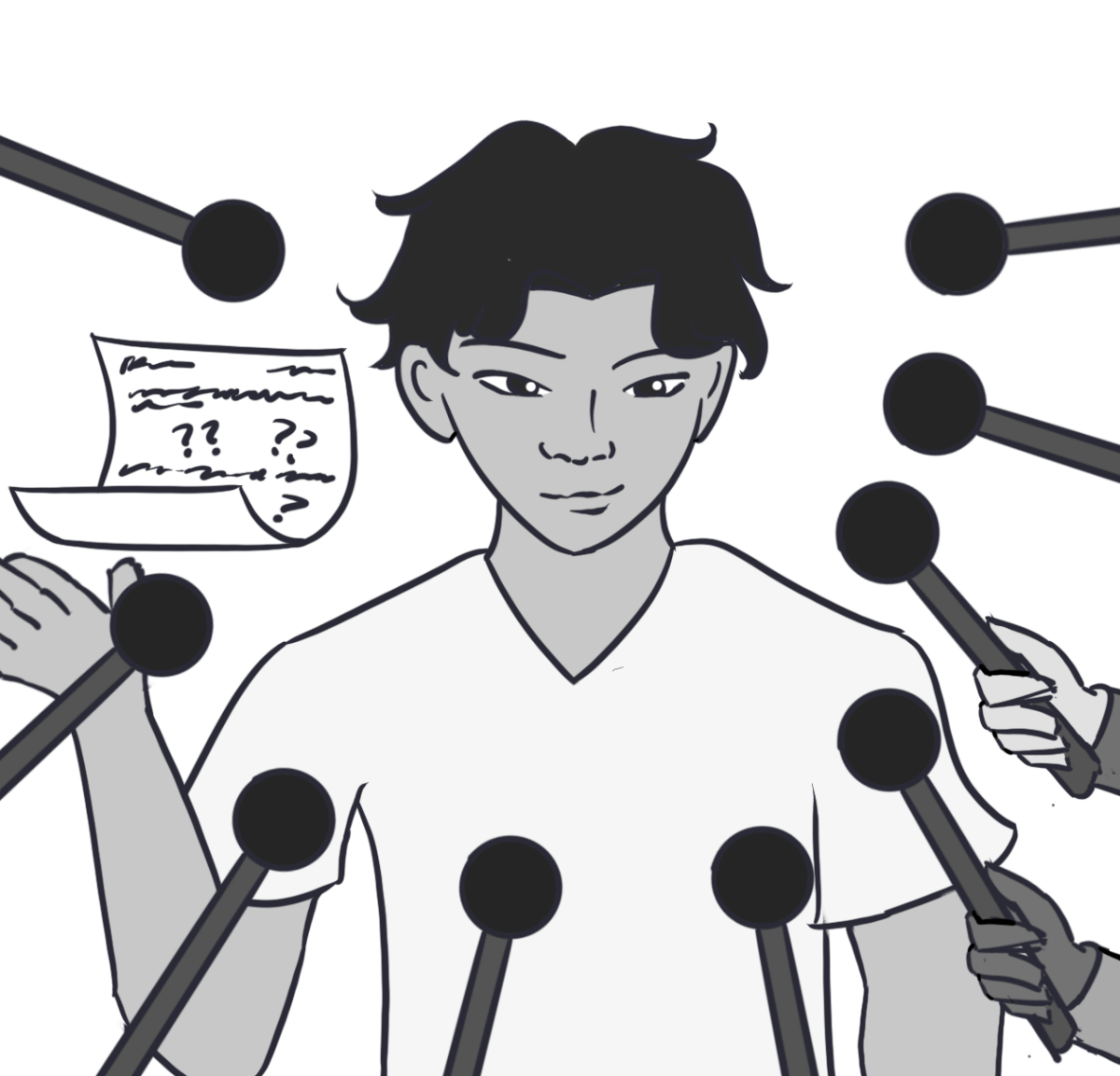
In an unprecedented move to improve academic transparency, the Nobles administration has officially introduced the post- and pre-test press conferences. Modeled after professional sports media, the event allows students to address the media, also known as their friends, teachers, and one kid who somehow always knows the class grade average, before and after major tests.
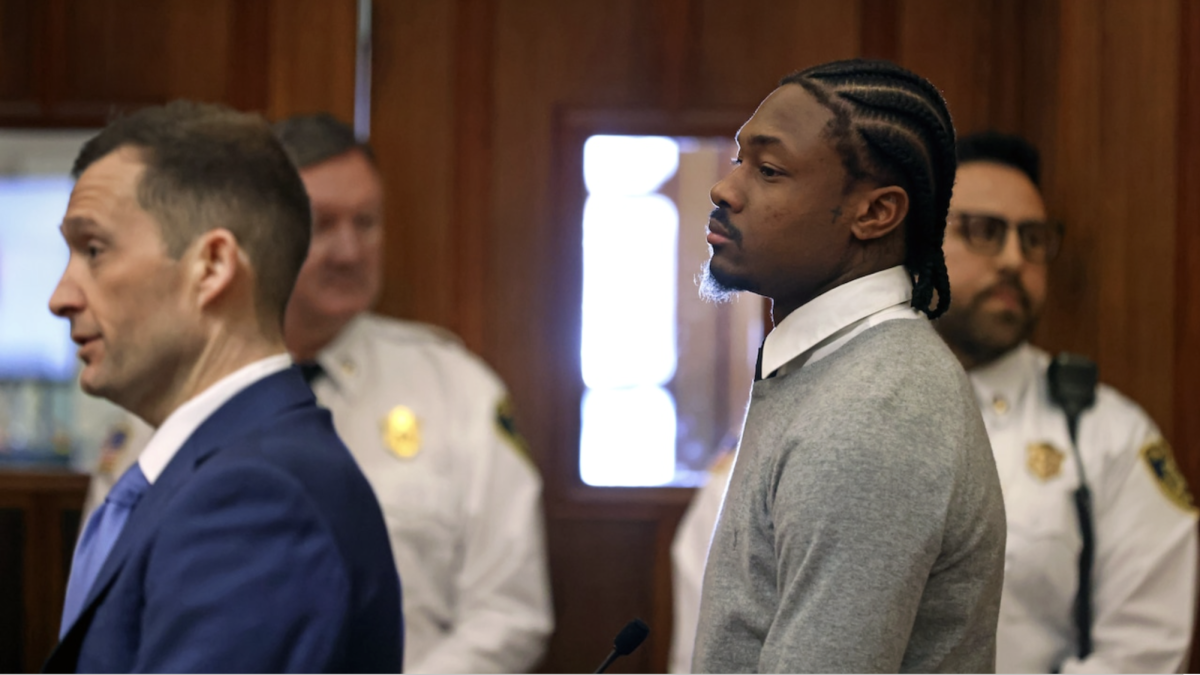
The system works like this: Before an exam, students must stand behind a podium outside the classroom and answer questions about their “strategy.” After the test, they must return to explain what exactly just happened in there.
According to administrators, the goal is to “encourage reflection.” However, the reality is that every student now has to explain their academic downfall to an audience.
The Pre-Test Conference:
The pre-test conference usually begins with cautious optimism. Students approach the podium, white-knuckling their calculators with sweaty palms. “I feel good about today,” one student announces before a recent physics test. “We reviewed the material last night, went through the practice problems, and I think if we execute the formulas correctly, we can come away with a solid result.”
Reporters immediately begin firing questions. “Did you actually understand the homework or just copy the answers?” “Are you concerned about the free response section?” “How will you respond if the teacher includes something that was technically on the syllabus but never actually explained?” The student pauses thoughtfully before responding with the standard pre-test answer: “We’re just going to take it one question at a time. Give it 100%, execution-wise.”
Another student, preparing for a history test, takes a slightly more honest approach. “Look, we prepared the best we could,” she said. “But if there’s a question about the agricultural policies of the Ming Dynasty, we’re going to have to improvise.”
The Post-Test Conference:
The real entertainment begins after the test. Students emerge from the classroom, shaking their heads, some shedding tears.
At the podium, the questions begin immediately. “So, walk us through question four.”
“That was a tough one,” the student replies. “We thought we had the right approach, but halfway through, we realized the numbers weren’t making sense. At that point, we just had to trust our instincts.” Another reporter jumps in and says, “You left part C blank. What happened there?” The student says solemnly, “Time management.”
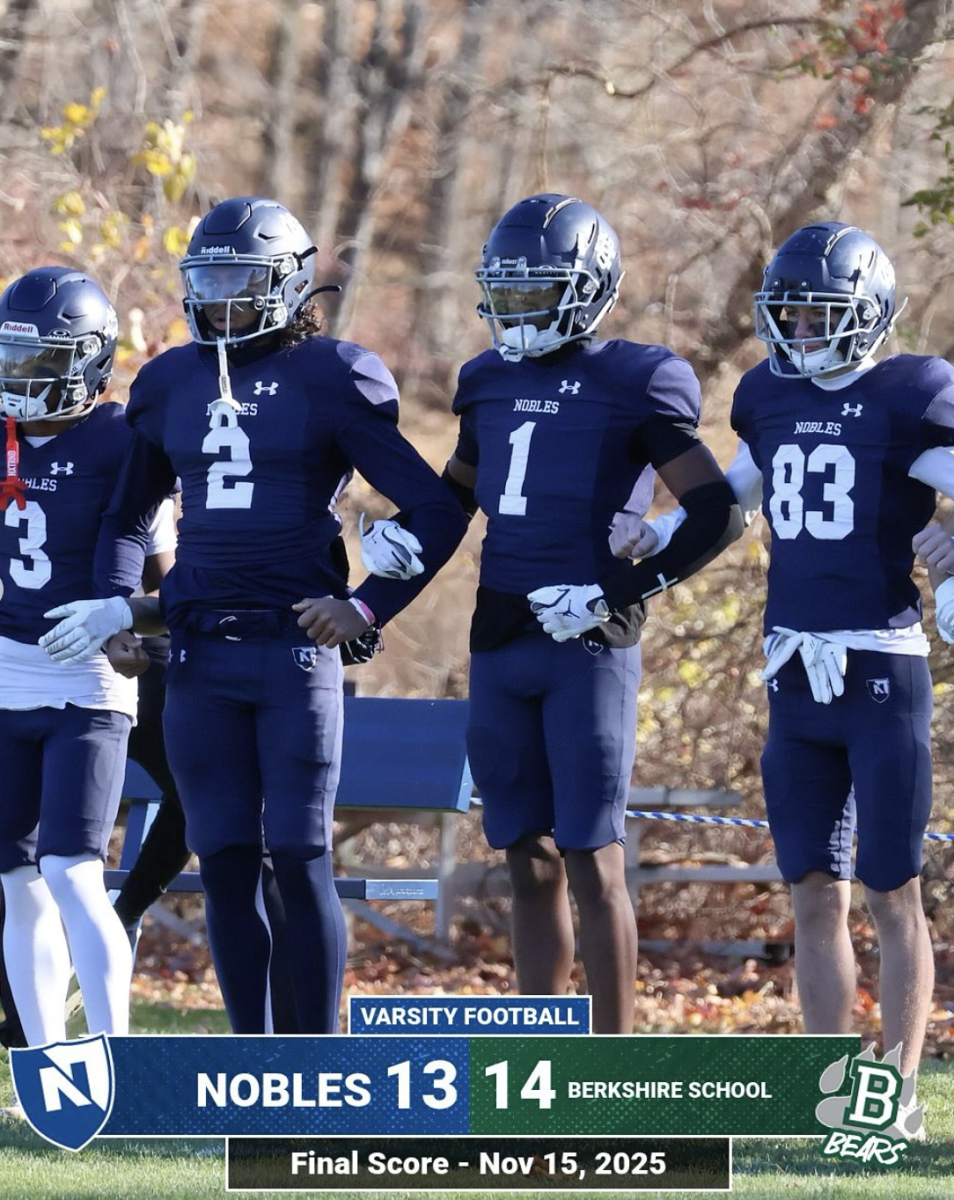
Occasionally, a student will try to stay positive. “I think we executed well overall,” one said after a recent math test. “There were a few unexpected plays, but we stuck to the game plan.”
But sometimes the truth slips out. “Yeah, I’m not going to lie,” another student admits. “I didn’t know there were problems on the back page.”
Of course, there is always one student who walks out looking suspiciously calm. When asked how the test went, they shrug casually. “It was fine.” This is deeply unsettling for everyone else. Reporters press further. “So you felt prepared? Was anything difficult?” They respond with, “Not really.” The rest of the class immediately begins reconsidering every answer they wrote.
Looking Ahead:
Despite the emotional ups and downs, the Nobles post- and pre-test press conference has been deemed a success. Administrators say it encourages accountability and reflection. Students disagree … but that’s besides the point.
Perhaps the biggest benefit is that it reminds everyone of an important truth about tests: No matter how prepared you feel beforehand, there will always be at least one question that makes you wonder if you accidentally walked into the wrong class. At that point, all you can do is step up to the podium afterward, take a deep breath, and deliver the classic post-test line: “We’ll learn from this one and get ready for the next exam.”