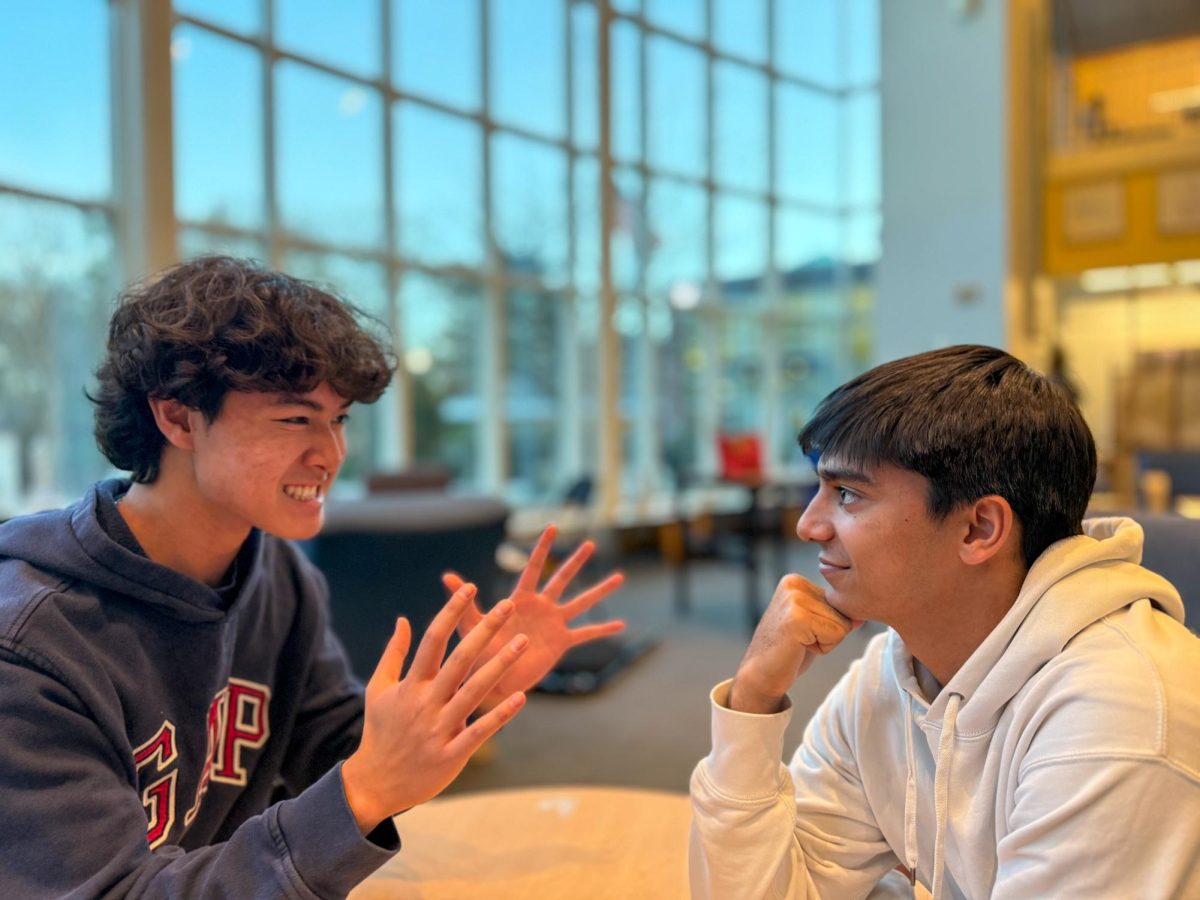









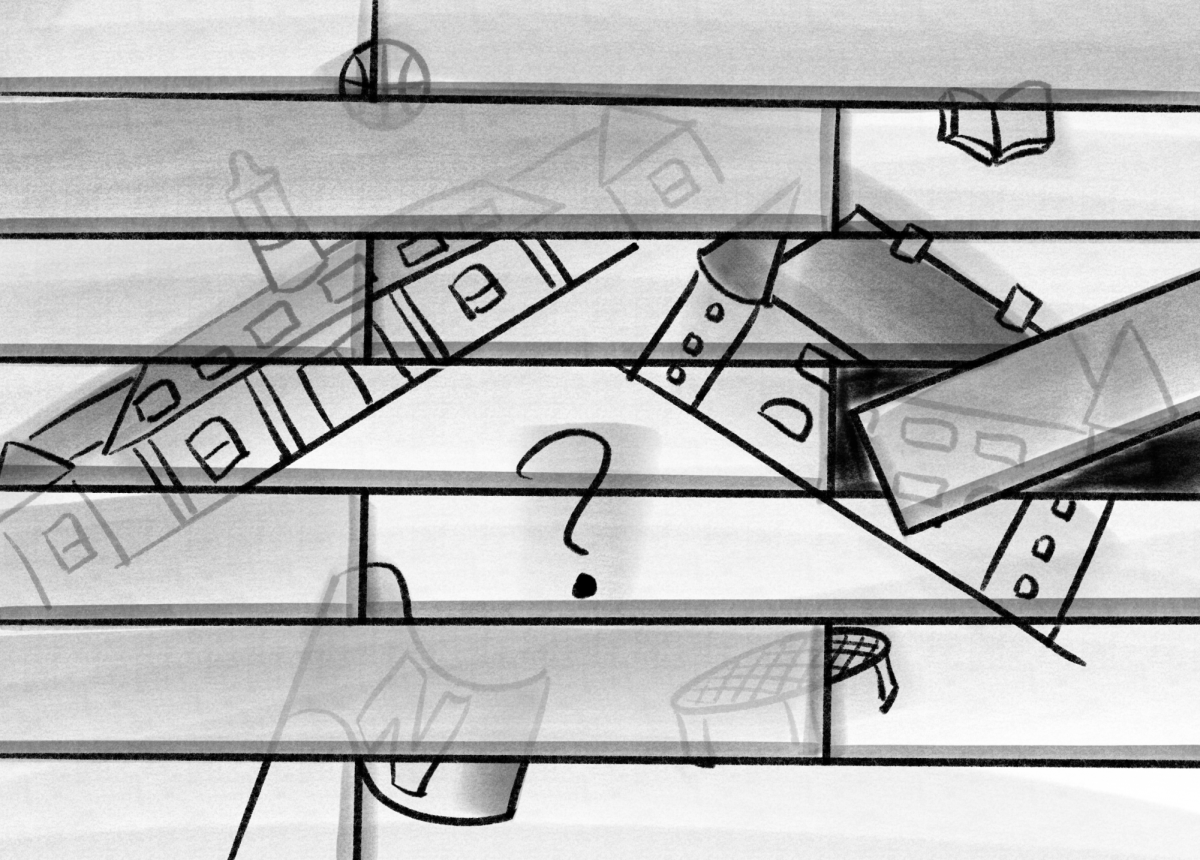


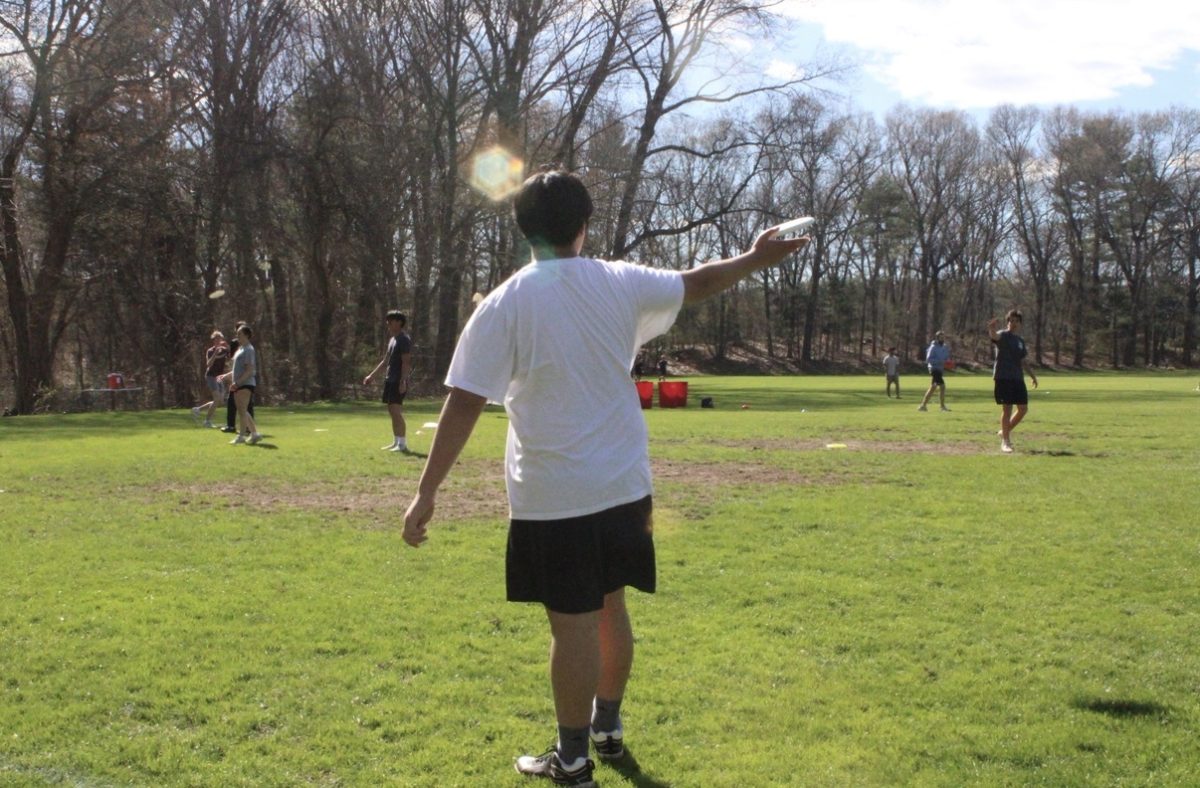
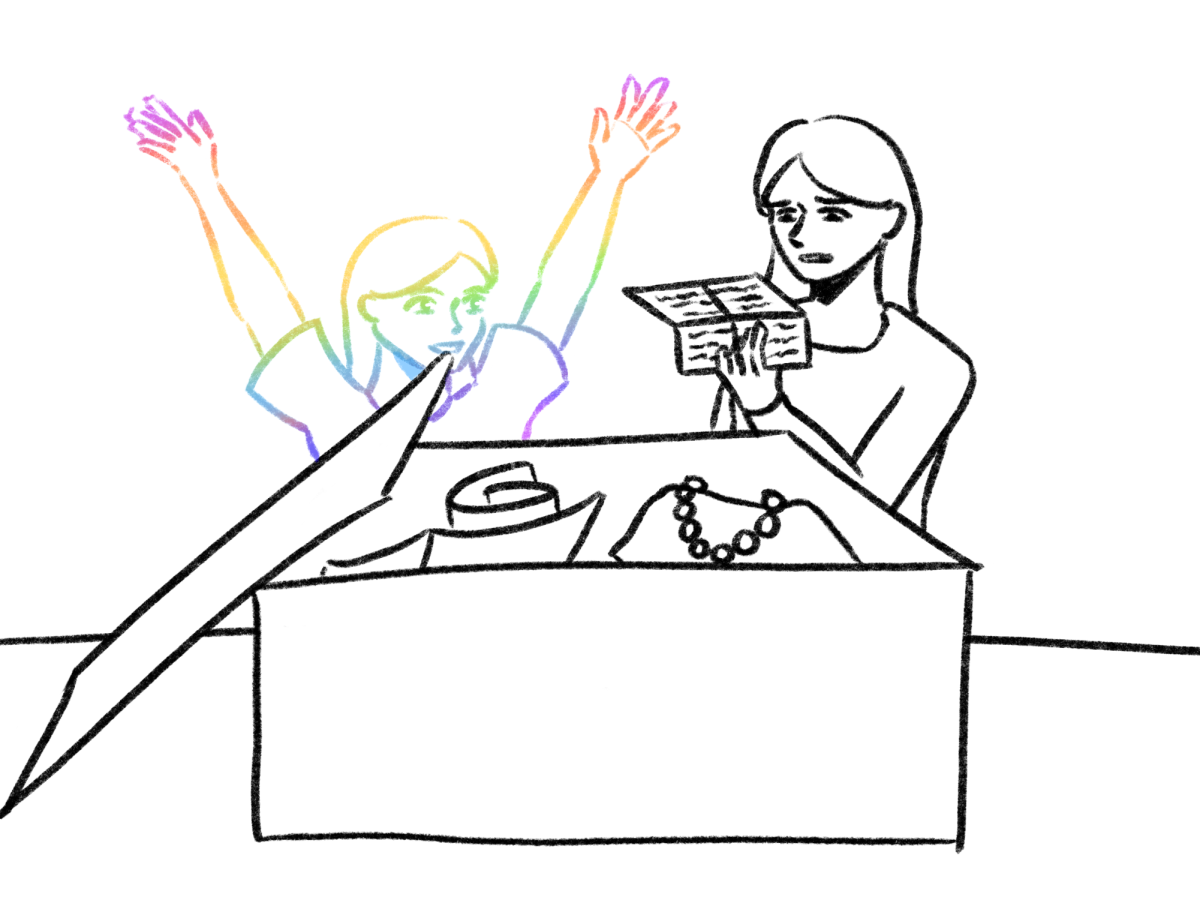





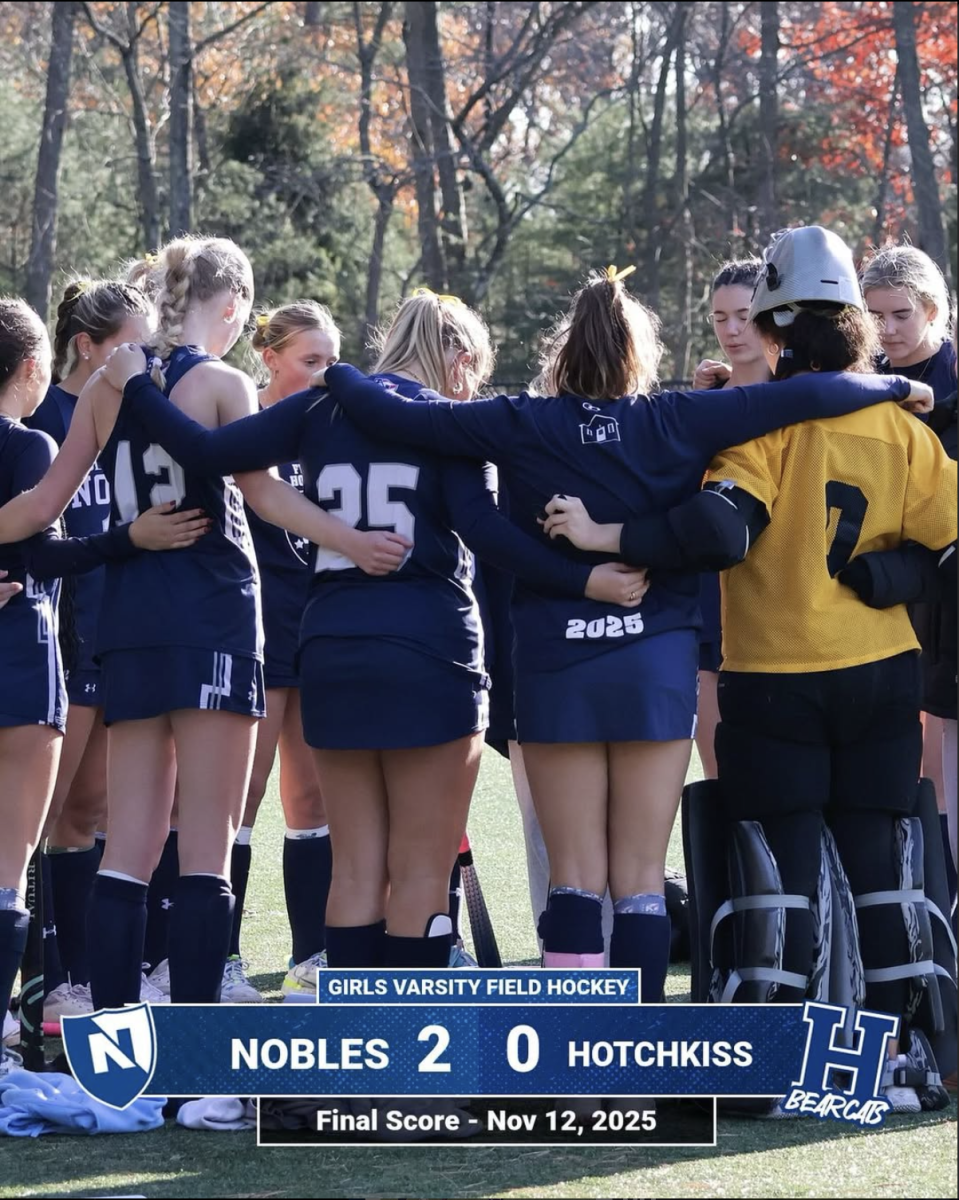


It goes without saying that Nobles is a place where community thrives, and people take inspiration from one another to incorporate into their own ideas and opinions. However, is our community stronger for its conformity, or does conformity represent a lack of authenticity? Opinion heavily varies among the student body regarding the effect that conformity in all aspects—style and thought—has on our community.
Many students view conformity as a positive thing that serves as a community builder, strengthening the connections at Nobles. Riya Saha (Class II) said, “I genuinely do think that sometimes it’s really good to be like everyone else, because you can learn so much from everyone.” From places like assembly to sports games and NTC productions, students are constantly inspiring others. Some could argue that this conformity is what keeps Nobles together and makes our community distinct from other ISL schools.
At the end of the day, being a student, a teenager at that, always entails being inspired by the spaces and people around you. Samantha Pinkas (Class III) said, “I think we’re all teenagers, and we’re all gonna see the same stuff online, and we’re all obviously going to be slightly influenced to buy whatever is trending.”
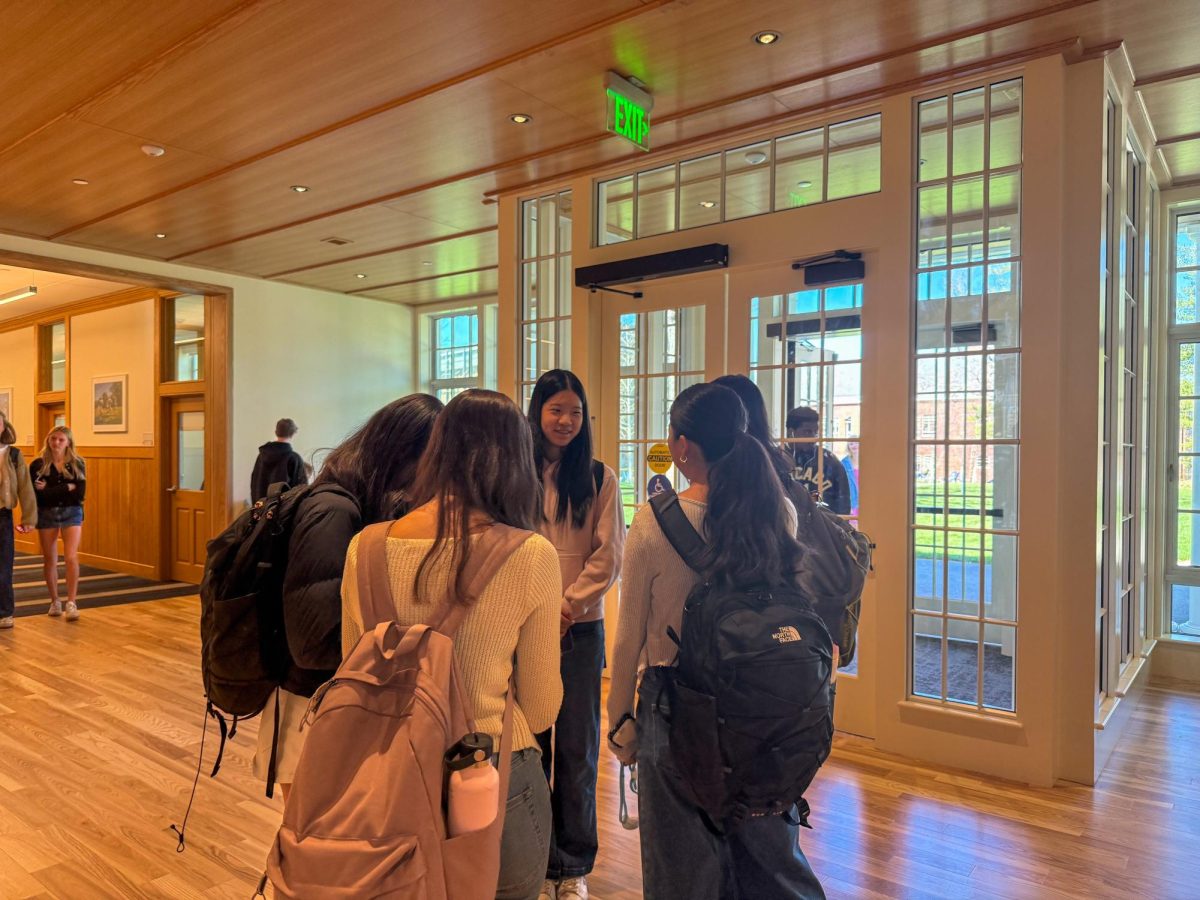
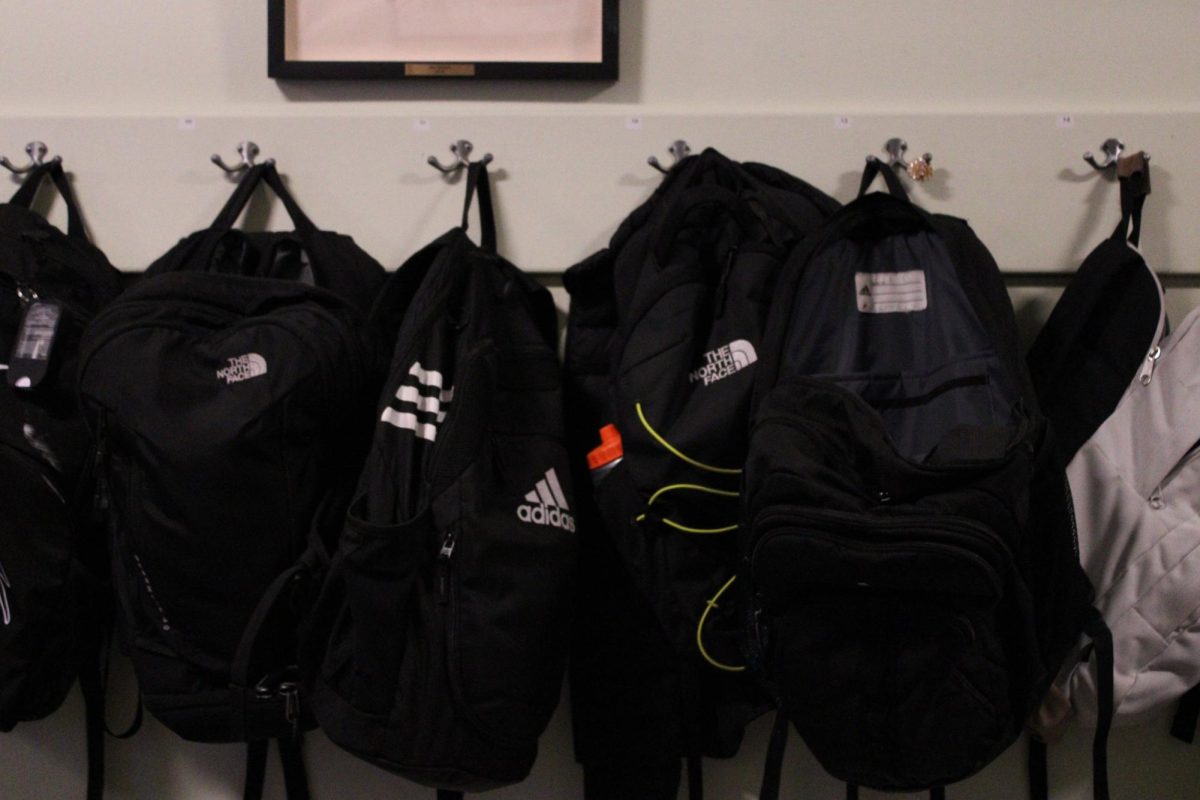
Whether stylistically—with North Face backpacks, Owalas, and Aritzia Super Puffs—or academically with uniformity in thought, Nobles constantly provides students with the opportunities to be influenced by one another. However, this uniformity can present conflict when students feel pressured to conform to what they observe in their peers, leading to students not feeling comfortable showing their authentic selves, as they fear being left out.
Sam Johnson-Price (Class II) said, “Conformity is nice until there’s somebody who doesn’t fit the standard, and they feel like an outcast.” The peer pressure at Nobles to conform to a certain standard evidently enforces an unspoken expectation for students to act, dress, and think in a certain way. Jasyrah Young (Class IV) said, “Sometimes I feel like [conformity] can be a positive thing in some ways, but I think it’s mostly a negative thing, because it shuts down people’s thoughts and restrains them from thinking outside the box.”
This restriction of student individuality initiates a form of exclusion that many feel exhibits a flaw at Nobles, which can sometimes make students feel uncomfortable in spaces with their peers. Young said, “I feel like, for people of color, at a PWI (predominantly white institution), they have to try to fit into the standards.” For many students of color, PWIs impose the threat of pressuring students to conform and restricting them from being comfortable in presenting their authentic selves.
To combat this, the administration should continue to emphasize true authenticity within oneself, while also encouraging learning from one another. For example, underclassmen and middle schoolers should look to upperclassmen for advice and inspiration, while continuing to seek individuality within themselves and their classmates. Camilla Mangal (Class II) said, “The greatest sense of belonging comes when you feel comfortable in your own shoes.” For students to feel more comfortable, there needs to be less judgment from the student body as a whole, so that they can feel confident in putting themselves out there.
Samora Nogeuira Sanca (Class II) said, “Try being yourself more, and also try not to care about what other people think, you’re yourself for yourself, don’t let someone try to shut you down for it.” Since conformity will always exist, it’s essential to recognize its potential benefits to our community, while also being aware of the exclusivity it can inflict.