









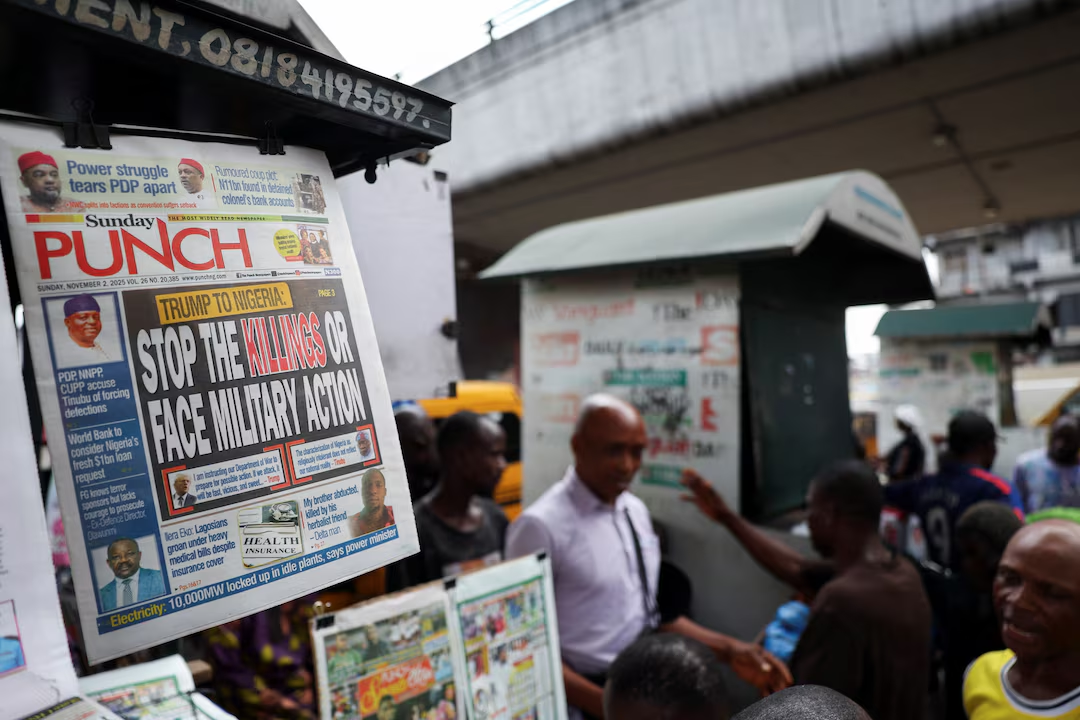
On November 19, 2025, Nicki Minaj spoke at a United Nations conference, urging the assembled nations to take action to “protect” Christians being persecuted in Northern Nigeria. Minaj is not alone in her investment in this issue: Many right-leaning public figures have gone to social media to express their concern for the religious conflict in the region.
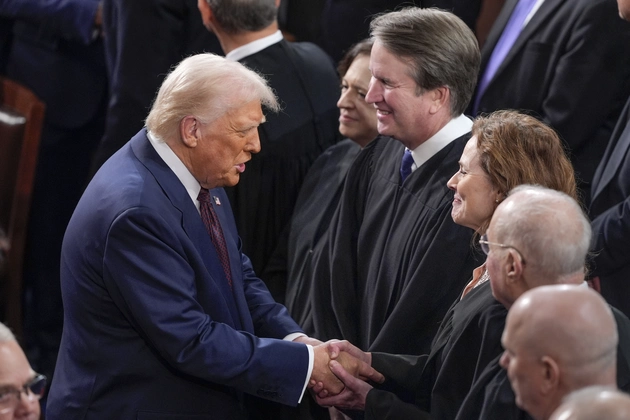
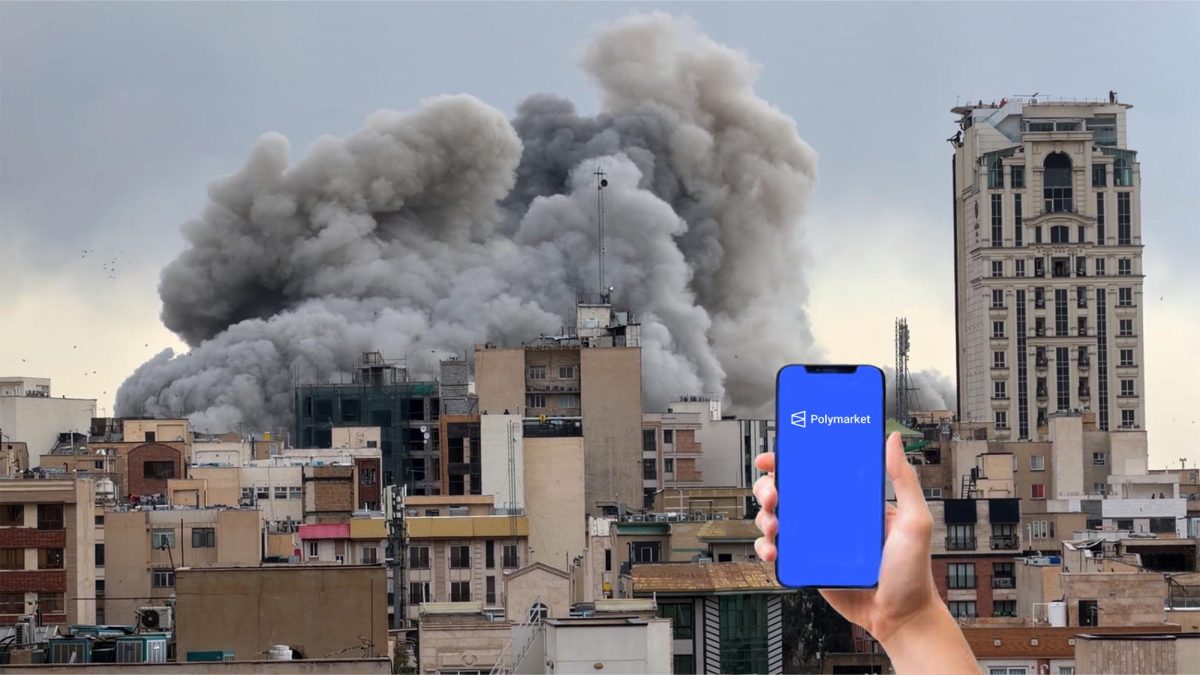
President Donald Trump tweeted, “Christianity is facing an existential threat in Nigeria.” He then stated, “The United States cannot stand by while such atrocities are happening in Nigeria and numerous other countries. We stand ready, willing, and able to save our Great Christian population around the World!” Trump made good on that promise as he ordered an airstrike on December 25, 2025, targeting alleged Islamic extremists in Sokoto, Nigeria. As scrutiny of President Trump’s administration continues to grow domestically, this strike has been added to the list of his controversial actions.
Western media on both sides of the political spectrum have continued to diminish the nuances of this issue, oversimplifying the complex social problems that have been present in Nigeria for decades. Left-leaning news sources focus more on attacking President Trump instead of highlighting stories and perspectives of residents affected by the strike, and media outlets with right-wing inclinations have run with the sensationalist narrative that claims there is a Christian genocide happening in Northern Nigeria. Neither of these approaches is entirely accurate or helpful to those suffering in Nigeria. Contrary to what Western media is currently reporting, the conflict in Sokoto did not spring from thin air. It began in 1967 with the Biafran War.
As my grandmother, Ita Madu, recounts, the Biafran War was the start of the rampant corruption seen in Nigeria today. Stating, “There was always some level of local misconduct even during colonial rule, but after Independence, it became almost unbearable.” When the British withdrew from the country in 1960, they left a large power vacuum. The British kept the same political structure intact, but since they could no longer enforce it, the government became extremely weak — the entire country and its resources were now up for grabs. No one knew who would control Nigeria’s rich resources. Different ethnic and religious groups within Nigeria then struggled for power. This caused major conflict, including mass killings of Igbo people in the states of Sokoto, Kaduna, and Kano, which eventually led to an exodus of this ethnic group into Southern Nigeria. There, leaders attempted to secede and establish the nation of Biafra. This initiative failed, and Nigeria was once again united. Even though North and South were reunited, the issues produced by the Biafran conflict persist.
There is still a social divide in Nigeria. Corruption runs rampant throughout the federal and local government, leaving people to depend on their own community members or themselves. This sparked the uprising of bandit and militia groups all over the country. To be extremely clear, these groups are not just concentrated in the North, and many are not affiliated with any religious doctrine. But after the jihadist movement in the 1990s, groups such as Boko Haram formed, which were in fact motivated by religion. Boko Haram has killed over 300,000 and displaced about 2.3 million people. But what many media outlets, including those inside Nigeria, fail to include is that many of Boko Haram’s victims are also Muslim. Boko Haram is an Islamic extremist group, but Christians and Muslims alike are being terrorized.
Boko Haram is only one of the hundreds of militia groups in Nigeria wreaking havoc. Many rural villages are ruled by bandit associations, making it unsafe for tourists, visitors, and even the locals themselves. My mother, Vwairhe Madu, who visited Nigeria six months ago, was not able to stay in her ancestral village in Southern Nigeria out of fear of being kidnapped by local gangs. Nigeria faces a national security crisis that is not confined to the North.
Nigerian Americans all across the U.S. are concerned about the U.S.’s involvement in Nigeria. Kate Osakwe (Class II) said, “I think that we should focus on America rather than worrying about other places in the world, especially in Nigeria. I think if you wanted to talk about something in Nigeria, why are you focusing on the Christian and Muslim groups, which are very important, but you should also look at the very corrupt government and the president that we have right now?” The corrupt president Osakwe references is Bola Tinubu, elected in 2023. His campaign was rife with controversy, including accusations of corruption and mismanagement of federal funds. The Nigerian government is actively failing its constituents. The inability to quell these militia groups has been a point of contention, and now that inaction is coming back to bite them. The U.S. is taking advantage of the Nigerian government’s incompetence and using the nation as a pawn in a larger game, all at the expense of Nigerian civilians.
Many other students are wondering why Nigeria was specifically targeted. Jeremiah Destine (Class I) said, “The U.S. doesn’t act on a lot of things that happen. There was a lot, and still is a lot, happening in Sudan with ethnic targeting that the U.S. hasn’t acted upon, I think, given the fact that we’re not a theocracy, we should act on all instances of people being persecuted and targeted.” Some students did not even know about this issue. Chloe Coleman (Class II) said, “I had no idea that even happened, to be honest.” Though this issue is layered. It needs to be highlighted. The Nigerian government won’t stand up for its people, so we, as the rest of the world, need to.
Though the issues in Nigeria are highly complex and opinions differ on what should be done next, it is evident that the airstrike does little to address the underlying factors driving instability in the region. Without addressing corruption and governance failures, a safe Nigeria will remain out of reach. Even if all militia groups are bombed into extinction, the politicians are still corrupt, and people are still hungry.