











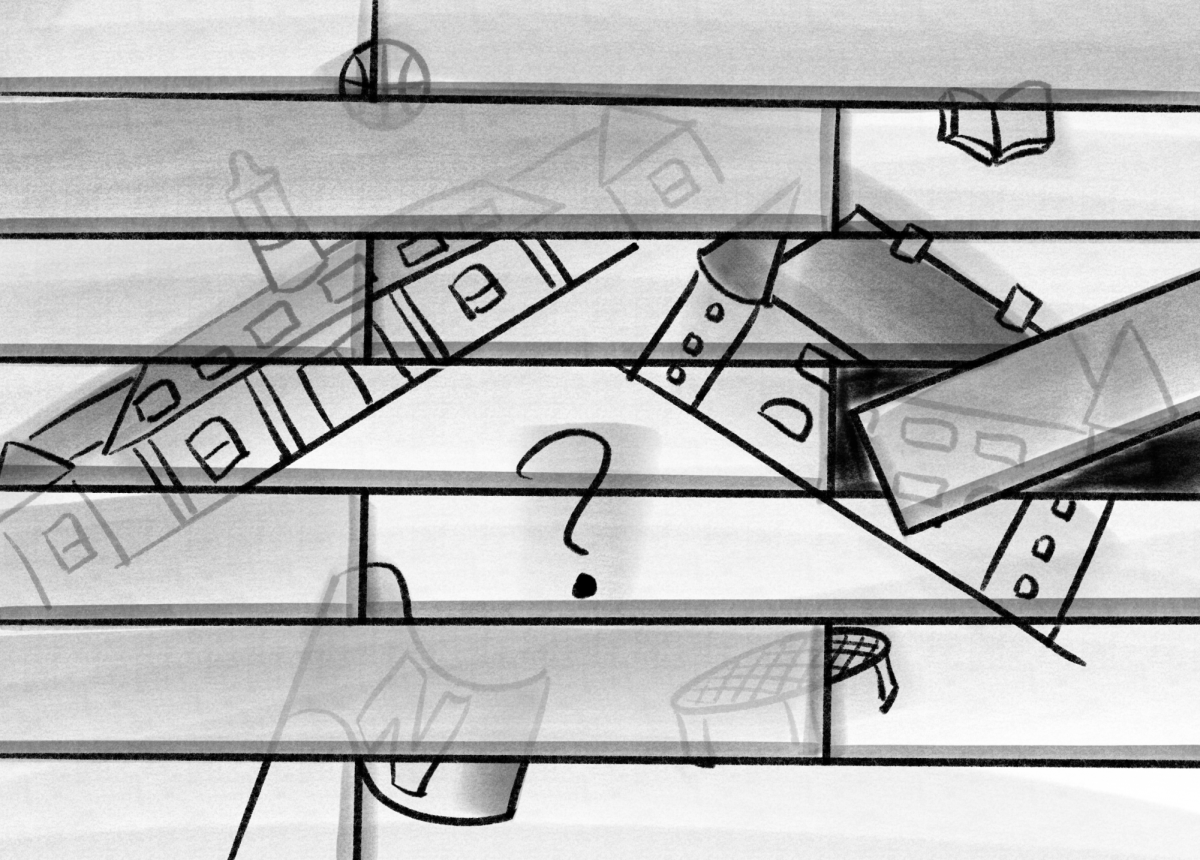














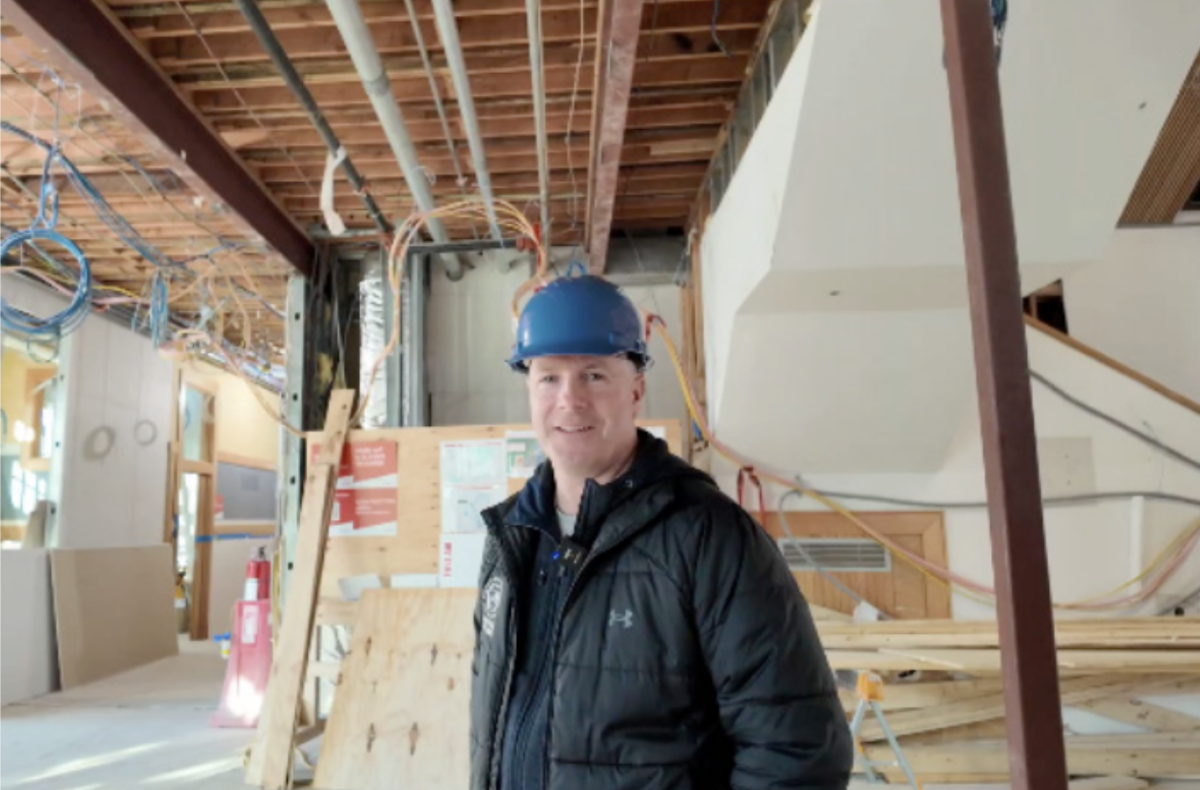
In June 2025, our campus initiated one of its largest projects in the school’s nearly two-century history: the renovation of the Shattuck Schoolhouse. While this construction project has been widely discussed, particularly during assembly, most students are unaware of what it takes to prepare for and manage such projects. Behind them lies a complex administrative process that many students are unaware of.
Administrators first weigh the necessity and urgency of prospective improvements on campus. To facilitate this conversation, the Campus Planning Committee, Finance Committee, Class Deans, and others weigh factors such as cost, potential improvements to student life, and anticipated disruptions during construction to decide what to work on.
“There’s a strategic conversation with stakeholders, so we meet with the college office, DEI office, the counselors, the deans, to try to understand what we want the experience to be for students, and how might these new spaces enhance the experience for students,” Chief Financial and Operations Officer Steve Ginsberg said.
Likewise, discussions regarding cost and priority are more complicated than one might think. For the financial aspect of renovations, both the cost and payment aspects are taken into account. “The Finance Committee has to say we have enough money, or we can borrow the money, because sometimes the interest rates are really low. Sometimes we’re better off borrowing money because the interest rate that our money is earning is 10 [or] 11 percent, and the borrowed interest rate is only at 3% so it makes sense per month,” Director of Buildings and Grounds Mike McHugh said.
As for determining which high-priority projects are put first, it’s not only about money or effects on student life, but also about impacts on our school’s overall reputation. “I was nervous about the Omni Hockey Rink and the ice pipes failing, so I was pushing for it to be done. But there was a belief in needing to spend money on Shattuck because we can’t spend the money on the Omni if we’re not backing up that books come first. Otherwise, there’s a perception that we don’t care as much about academics. So we chose to get Shattuck done first, get to the Omni second,” McHugh said.
Through these conversations, renovating Shattuck emerged as the most favorable project to pursue, considering that the building needed several repairs to remain the heart of our campus. McHugh said, “Its heating systems were failing. WiFi connectivity is bad there. It looks terrible. We’re a highly academic school, and our main academic building is one of the worst buildings there is. So that decision heavily drove when it got done.”
After deciding on Shattuck, the next step was to plan it out. Multiple iterations of timing plans of the renovations were created, one of which suggested that renovations behind the wall systems, such as heating, be done piecemeal. However, that quickly fell through as Shattuck’s systems are all integrated, meaning the disruption to students would be too great to weather.
Thus, the current “block off Shattuck” plan was created with Shawmut, along with intricate plans and timelines to ensure timeliness. “The construction team has a week-by-week plan going back to last June. They had the entire project mapped out, not just a little bit, but every trade, every little thing,” Head of School Cathy Hall said. “If something goes wrong, they immediately know the impact, so it’s not a guessing game. When I say we’re on schedule, we’re really on schedule.”
Not only is every week laid out, but weekly meetings are held to check in on progress and ensure everything is on track. Ginsberg said, “There are weekly meetings with a team, which includes me and McHugh, the architect, the general contractor, and a bunch of consultants. It’s an ongoing conversation around implementing the construction project, how it affects the Nobles community, and how we make sure that it’s smooth and easy.”
Of course, there remains a lack of trust from the broader Nobles community that Shattuck will be ready on time. But one thing some may fail to consider is that work has been concentrated on the building’s interior systems. “All the mechanicals are almost 100% done. All of the hard part is done. Now, it’s just covering the walls, throwing paint down, and putting carpets down. It looks like it’s still a lot to do, but because the average person only sees the walls painted and the carpet down, they don’t understand all the work that went behind the walls to get it to the point that we can say, ‘Yeah, we’re close,” McHugh said.
So, have faith, Nobles. Shattuck is on its way. And it doesn’t plan on being late.