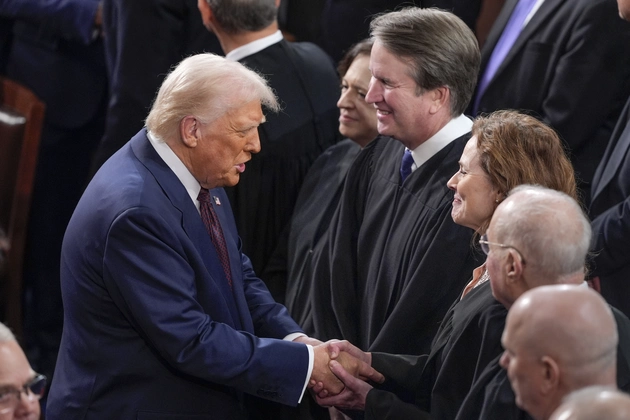













Since Trump took office in January 2025, many policy changes have shifted from the previous Biden Administration, including the Environmental Protection Agency, which has now made recent policy adjustments. According to the EPA website, those changes include the repeal of the 2009 “Endangerment Finding,” which allowed for greenhouse gas regulation, the rolling back of vehicle emission standards, and chemical safety rule changes. The new EPA policy focuses on “restoring consumer choice” and aims to reduce consumer spending costs.
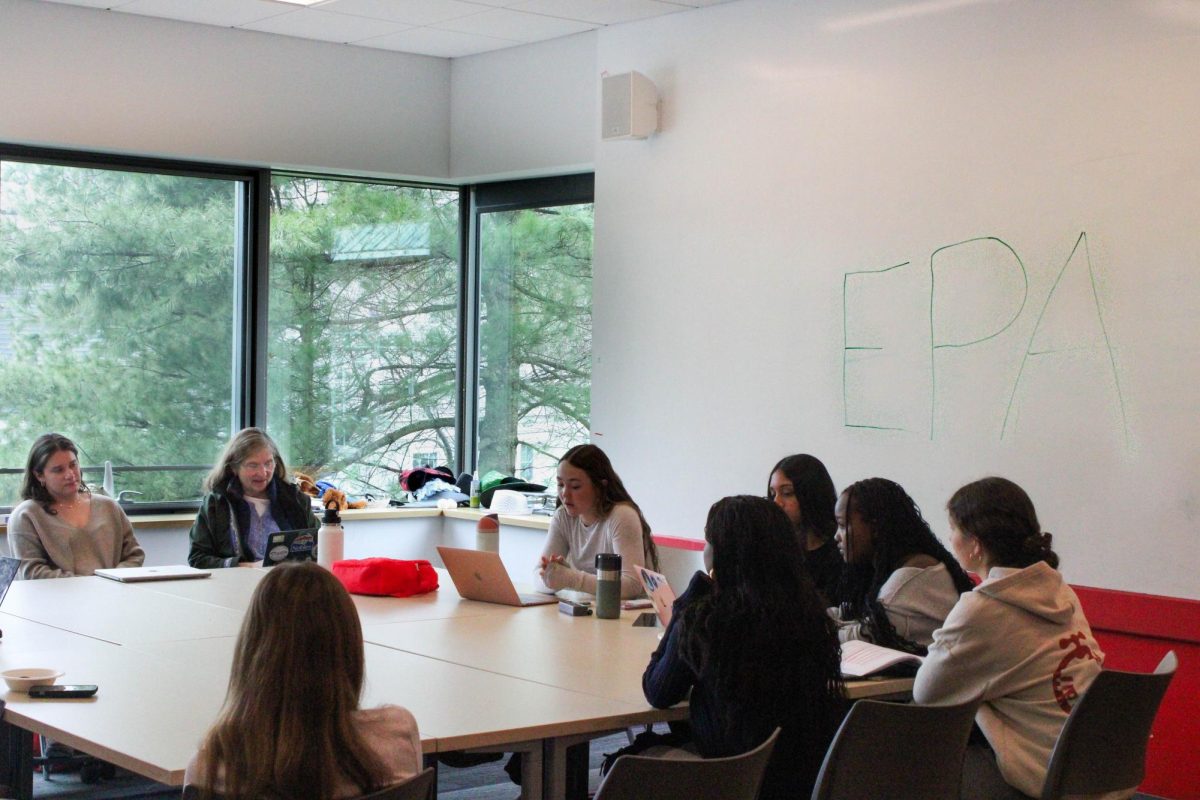
Science Faculty Deb Harrison said, “This [reform] is being promoted as putting more choices in the hands of consumers, trying to save them money or changing regulations that were put in place to protect public health and poor quality air.” While the intention of the EPA’s reform may have been to help everyday consumers spend less, it has since appeared that, in the long run, they will pay more than just a high monetary price, but one for their health too.
“There will be more, in my opinion, respiratory diseases that people are going to suffer from, or even just begin to suffer from. And we already have issues with childhood asthma and other respiratory conditions that our health system is trying to address,” Harrison said. Air quality is projected to worsen under more lenient nitrogen oxide emissions policies. The current administration seeks to reduce nitrogen oxide emissions by 296 tons by 2032, whereas the previous administrations proposed to cut over 2000 tons.
In terms of the impact that these environmental reforms will have, many will face the firsthand effects of climate change. Jacinta Wangari (Class I) said, “I think that a lot of people, whether higher class, middle class, or lower class, everyone is seeing the detrimental effects of climate change on our environment.” Additionally, underprivileged areas are expected to face more immediate problems, such as those caused by air pollution. “If they already have poor air quality, and you’re taking away stuff that helps fix the air quality, they’re gonna suffer the most, rather than people who, like us, are so privileged to be able to breathe in clean air every day,” Wangari said.
With so much change forthcoming, the integrity and validity of science, for many, is especially crucial. Without it, public health risks will be further jeopardized with cuts to scientific research funding. Wangari said, “I think that a lot more money should be put into environmental policy [and] research. More people should be taking it seriously, because a lot of people now don’t even believe that climate change exists.”
While many hope that more money will be put into research, the flip side shows that everyday Americans will begin to rely more on government funding, as things like fuel costs, vehicle costs, and consumer debt will skyrocket. Ayaan Mohammad (Class II) said, “People are going to be relying on funding from the government, but when that doesn’t come, then of course, people are going to be upset about that.”
While the current administration hopes this will, in the long term, pay economic dividends, the economic shift has proven to be harmful, as it focuses less on its impact on individuals. “I think [the country is] definitely shifting towards [concentrating on] economic growth, because it’s not only the EPA, but so many other organizations. For example, the U.S. is pulling out of a bunch of different NGOs and organizations within the UN, so I think this is a pattern that we’re seeing,” Mohammad said. With the United States’ withdrawal from the Paris Agreement, on January 20, 2025, and other environmental initiatives, it seems that the current administration hopes to prioritize economic growth over environmental protection.
However, in reality, the desire for economic growth is only resulting in drawbacks for everyday people, many of whom, with time, will reach a point where they won’t be able to afford basic needs and will turn to the government for aid. The politically driven decision-making of the recent reform has sparked many to question the integrity of our government and whether it has the people’s needs as a priority. Harrison said, “I’m really disappointed that lawmakers can’t put aside the politics and realize how important it is to act on behalf of human well-being and health. We don’t need an increase in cases of childhood asthma in urban areas.”
Despite this being a partisan issue for politicians, the dismay lies in the fact that people are worried about their own health. “We’re very lucky living in Massachusetts, because a lot of natural disasters and the effects of climate change don’t affect us directly. But I think definitely for other states and other territories in the U.S., it’ll be very detrimental,” Mohammad said.
Thankfully for the Nobles community and Massachusetts at large, our concerns don’t have to be as high as in other places, but it is important to recognize the impacts of climate change and take small, environmentally conscious decisions that can eventually lead to a better quality earth for everyone.