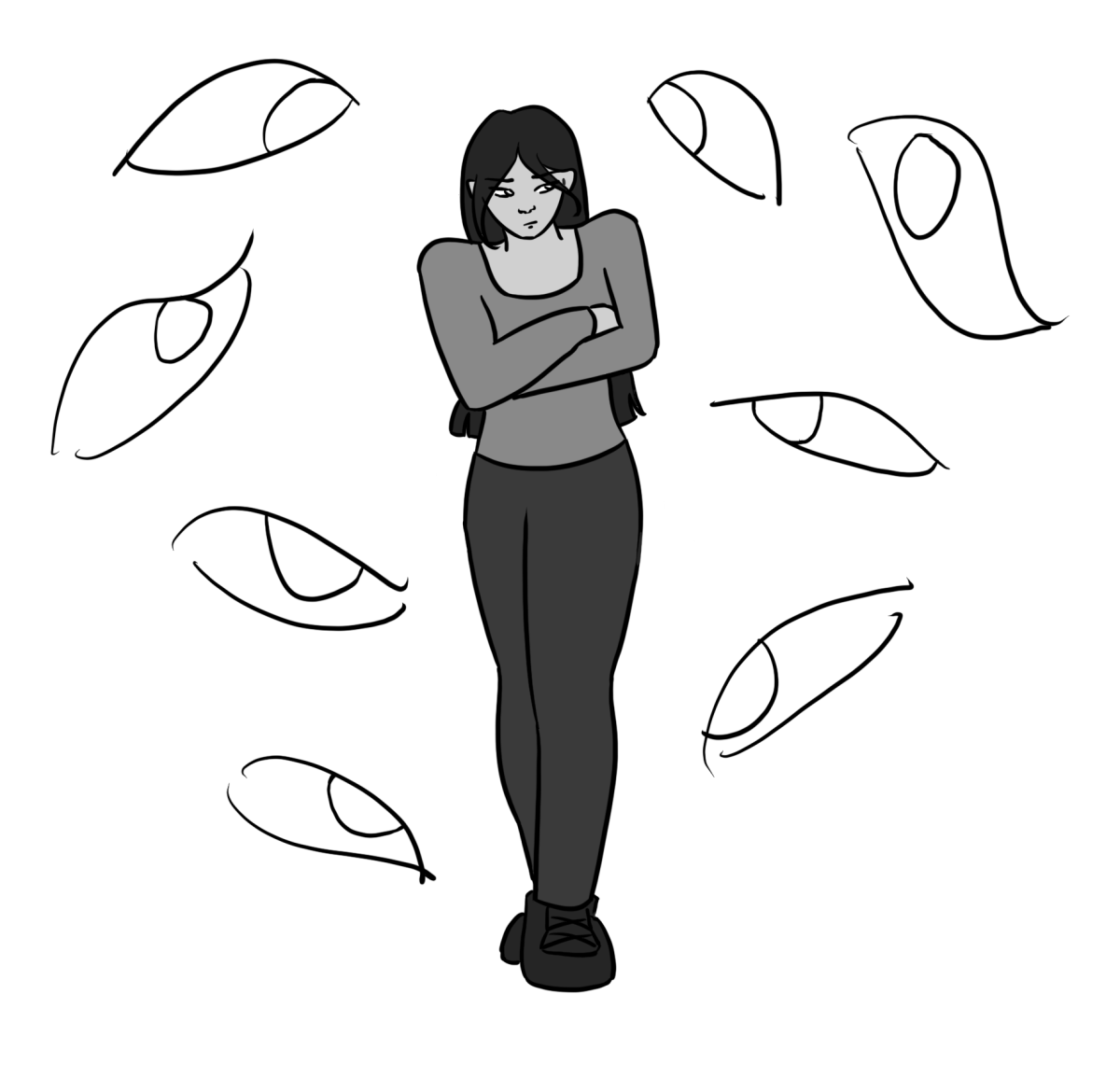









In my junior year, History and Social Science Faculty Steele Sternberg led a brief discussion about how hard it feels to voice our beliefs in the modern day. If you say something wrong, instead of people seeing an opportunity for learning and growth, they turn to scolding and criticism instead. Of course, some things are just blatantly wrong. Hate speech, racism, sexism, or antisemitism — if any of these are central to your belief, then it’s not up for debate: You’re wrong. This isn’t the subject of debate; this causes real harm to real people.
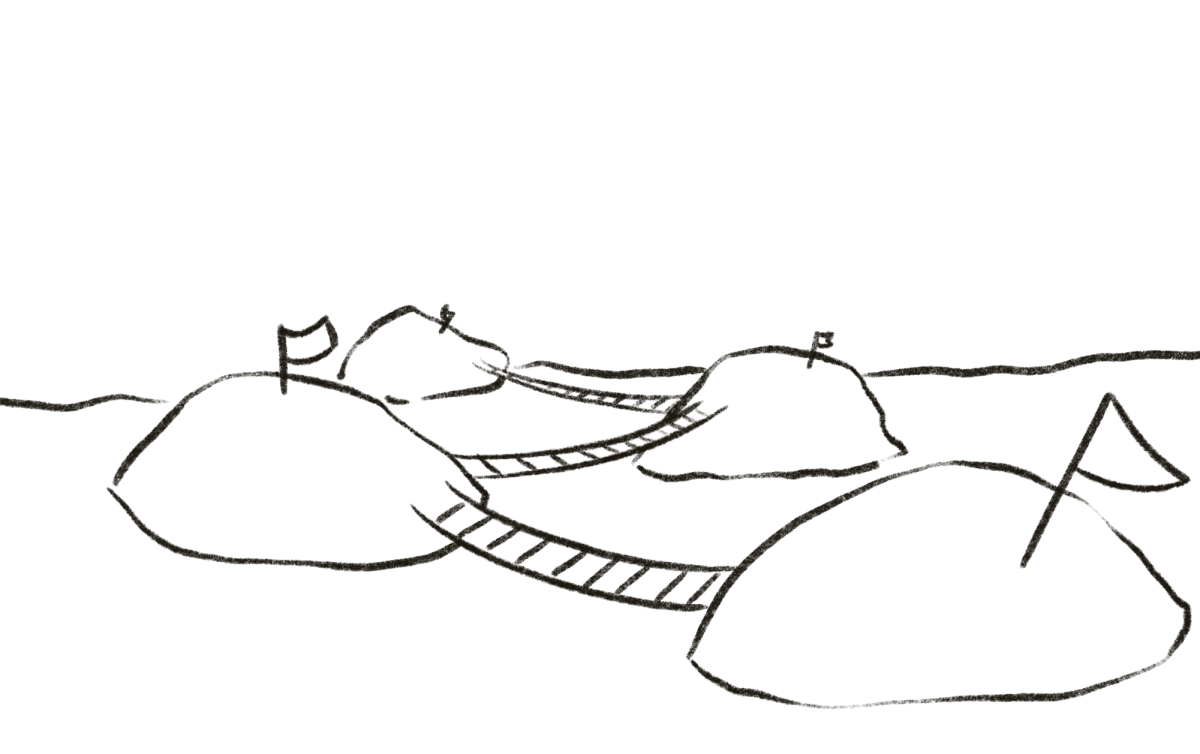
In the idealized United States, commonly stated ideals like equality and the rejection of hate speech shape how we define right and wrong, even if the reality is that our country has struggled to live up to them. So, when we discuss a question as difficult as “what is peace?” we’re likely going to answer that from an American perspective. But not every society defines peace the same way. The United States has intervened in Iranian politics and the lives of the Iranian people for years. In 1953, the Central Intelligence Agency (CIA) and British Intelligence organized a coup that installed a United States-backed Shah into power. Following the Islamic Revolution in 1979 and the overthrow of the Shah, the phrase “Marg bar Âmrikâ” was heavily popularized by the new supreme leader. The phrase literally translates to “Death to America,” but in a political context, it aligns with “Down with American Ideals.” Now, it wasn’t every Iranian who regurgitated this, but the point still stands: the Iranian government’s definition of peace meant freedom from American influence. Clearly, the United States and Iran don’t share a definition of peace. So, if we use these two nations as an example, which definition of peace is right? Both, neither, or just one?
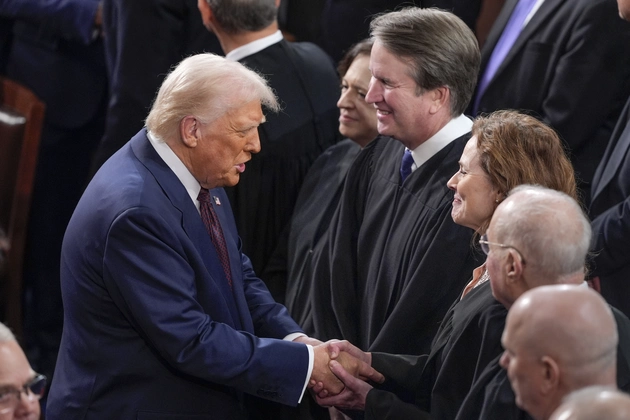
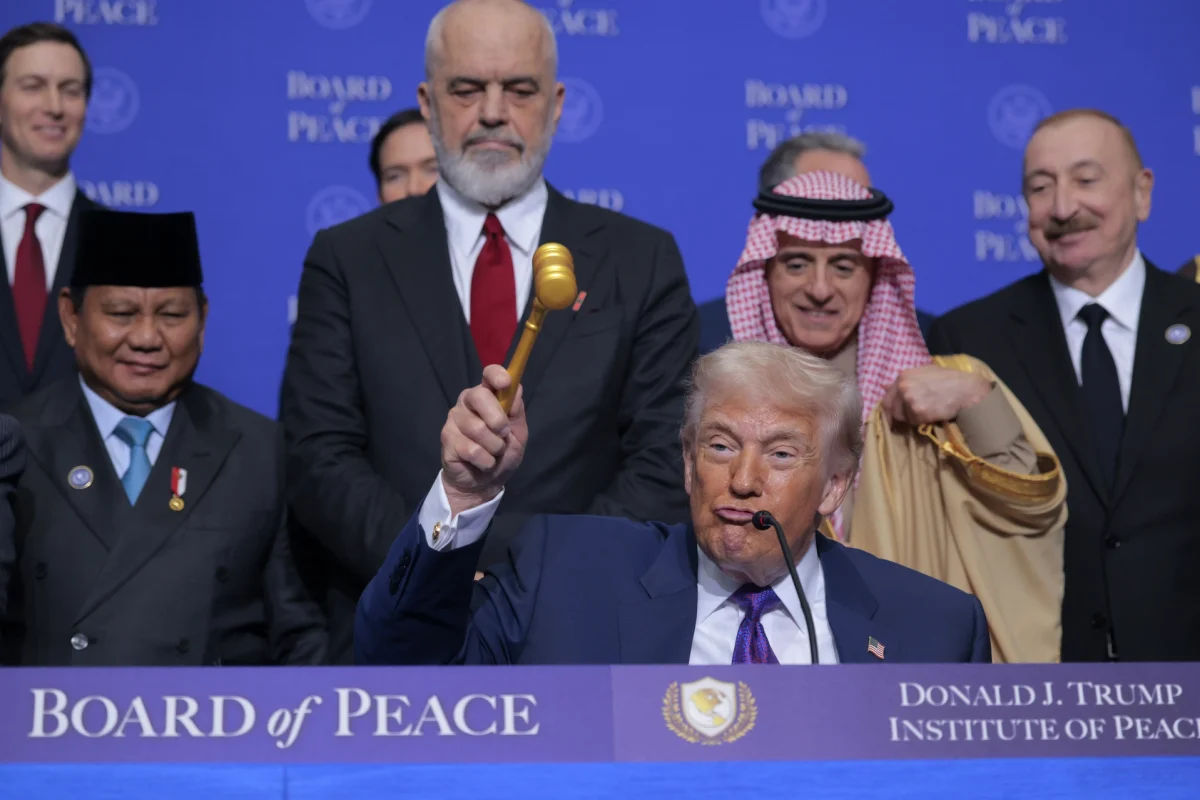
On January 22, 2026, President Donald Trump officially established the Board of Peace (BoP) with the primary goal of stabilizing the Gaza Strip and facilitating reconstruction in the area. This move sparked uncertainty among European nations, with concern that the Board of Peace could replace the United Nations (UN). Although President Trump has stated that usurping the UN is a possibility, he hasn’t failed to recognize the importance and reverence of the former coalition. Many nations have declined their invitation to the BoP, notable examples include the United Kingdom, Ukraine, Germany, and France.
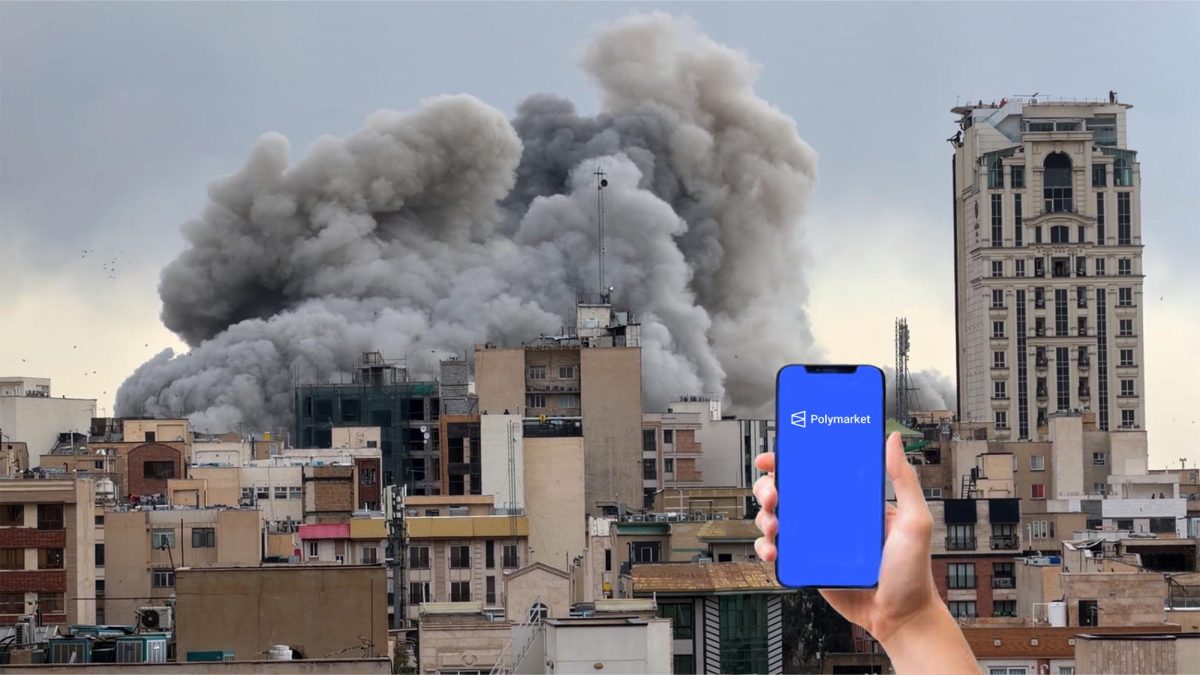
In late February, President Trump ordered surprise airstrikes on Iran, ultimately culminating in the death of Ayatollah Ali Khamenei. Not only was the Iranian government significantly damaged, but the ideals it claimed to honor were suddenly thrown into question. Their government’s definition of peace collapsed with it. Our government’s definition of peace clashed with theirs, and instead of this conflict remaining a moral disagreement, it became a struggle over which country’s definition of peace would survive. One country’s power enabled it to impose its definition of peace while marginalizing another.
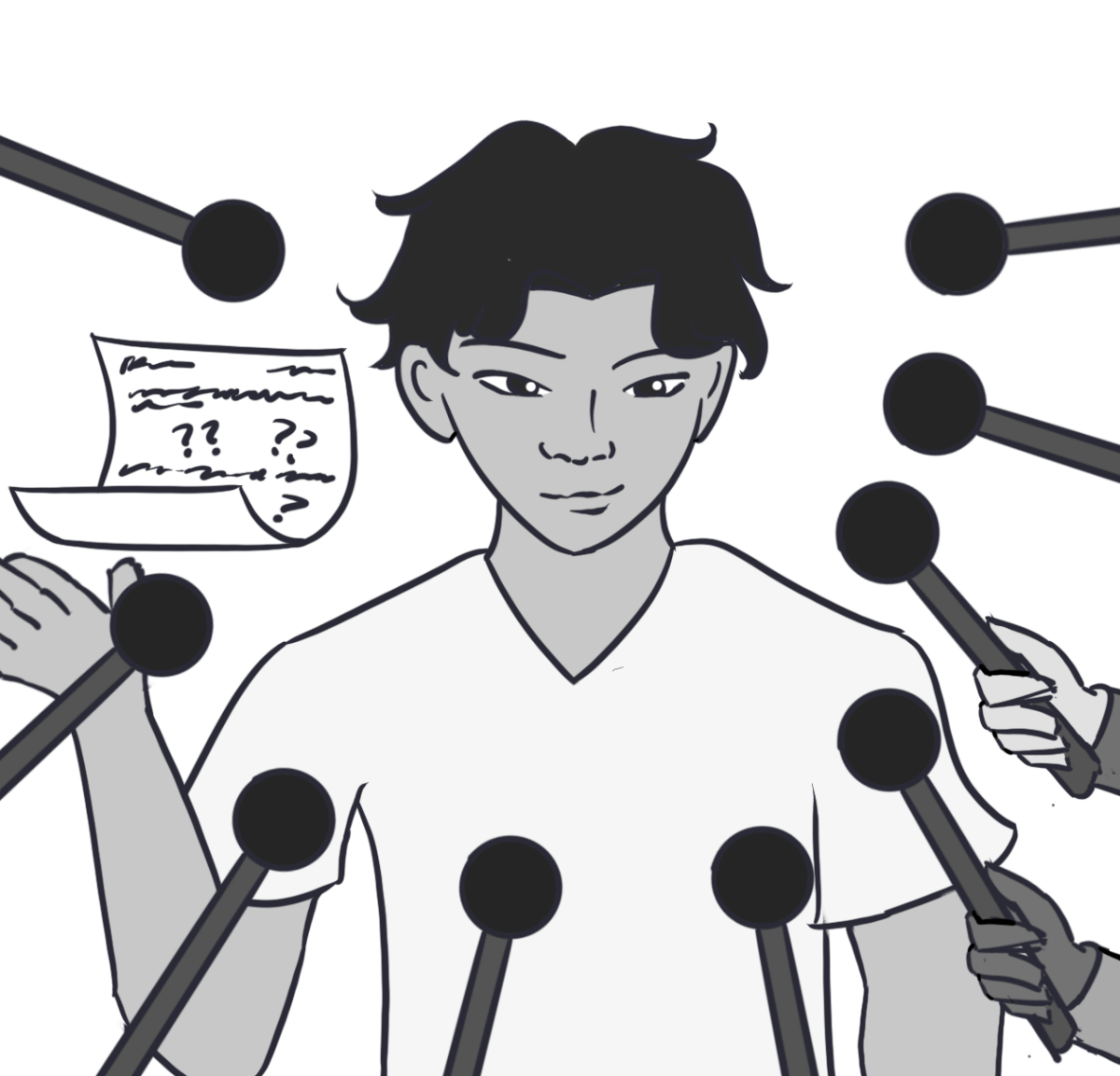
However, a nation imposing its own philosophy on another does not immediately change how its people understand peace. This makes it increasingly important to ask the people how they define peace themselves, not focusing on the views of the people in power. When I asked students what “peace” meant to them, their answers fell into two categories: negative and positive peace, the absence of violence and justice, tranquility, and equity for all, respectively. Christian Gonzalez Pena (Class I) said, “I think calmness is very much in tandem with peace.” His view ties closely to the idea of positive peace. “Kids who have never seen peace and kids who have never seen war have different values,” he said. That idea reinforces the idea that the world’s definition of peace isn’t unanimous, and for good reason. People define peace based on the life they’ve experienced. That’s what gives the United States our perspective on peace, and what gives Iran a very different one.
Nathan Nguyen (Class III) mentioned an important distinction about negative and positive peace, pointing out that the absence of war does not mean a country is fully at peace. “If the people in a country are extremely unhappy with the government and the whole country is on edge, then that’s not really peace,” he said. He also pointed out that our perception of peace is greatly shaped by what we see in the media. “Complete peace is really hard to see in the world because the news doesn’t report peace — it reports the bad things,” Nguyen said. Mia Chu (Class I) defined peace on a much more personal level. “Peace is not feeling stressed, [it’s] having the time and space to do what you want,” she said. Again, people’s idea of peace is shaped by their life experiences, and no two experiences are the same. They’re also shaped by the narratives around them. “World leaders have power over what people consider peace because they control what people see,” Chu said.
If there’s one thing I hoped to achieve with this article, it’s to leave you questioning what peace really means, because it’s not as simple as opening a dictionary. The idea of figuring out what peace even is is an incredibly difficult task, and I wish it were just as simple as looking it up in the dictionary. But it isn’t. The world’s definition of peace is always changing, always shifting to fit someone’s ideals, whilst omitting others. Sure, there are some common threads between the idea of negative and positive peace, but even those ideas are shaped by experience and perspective. As with the example between Iran and America, separate societies can hold completely different visions of what peace looks like. And at the end of the day, the truth is that peace is defined by power. The people and governments with the most influence often decide which definition of peace prevails and which fades away.