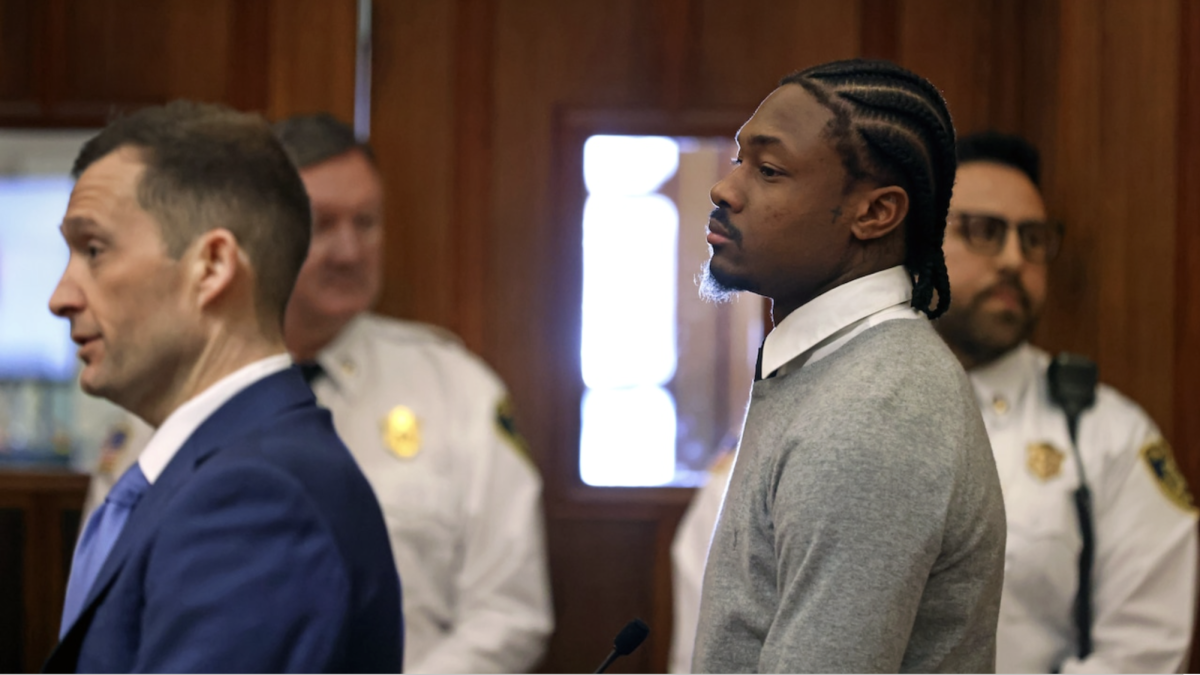






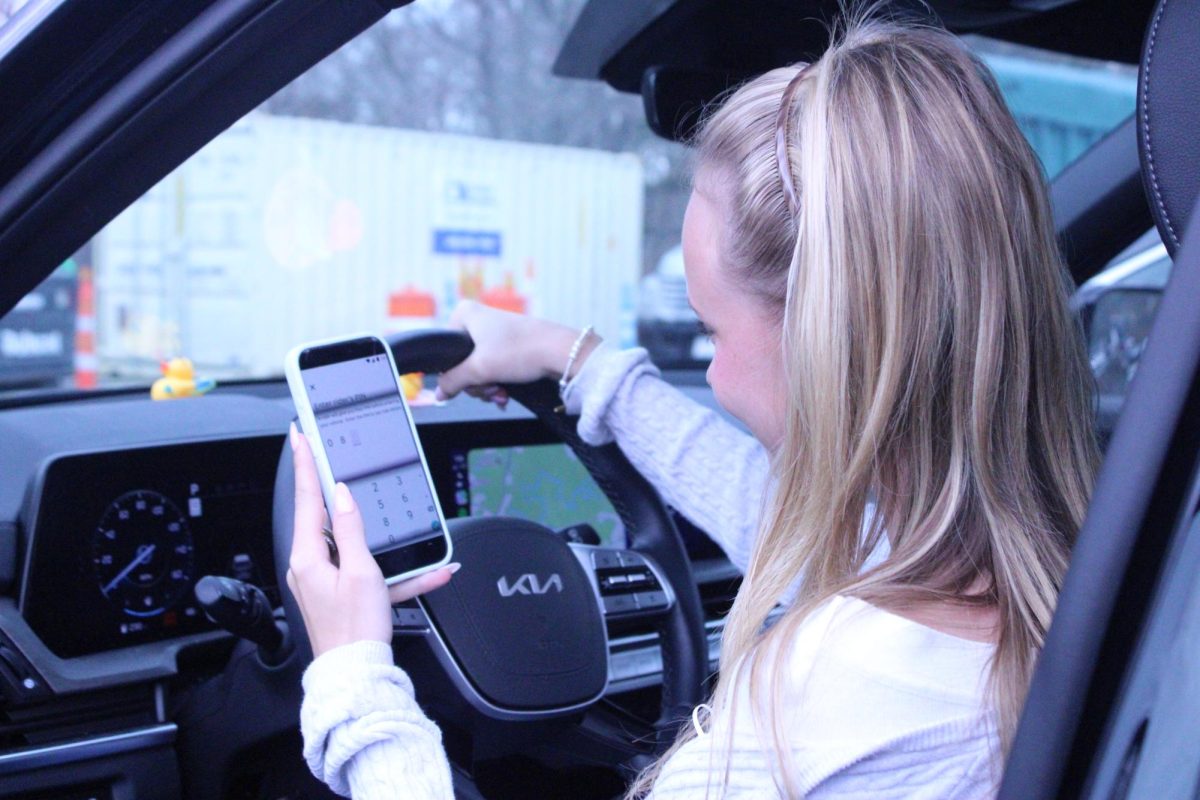
Uber, the rideshare giant, has recently been sued for $8.5 million by Jaylynn Dean, a rider who reported being raped by her driver. The lawsuit began in November 2023 and ended in January 2026 when a federal court ruled in Dean’s favor.
Dean’s case set a precedent for future successful lawsuits against Uber and other similar companies, such as Lyft. Being sexually assaulted while using a rideshare app is indubitably rare — according to Uber, 99.9% of the trips organized through their app were safe from pick-up to drop-off. Although uncommon, sexual assault through Uber has evolved into a veritable problem and has prompted individuals to reflect on the safety of rideshares.
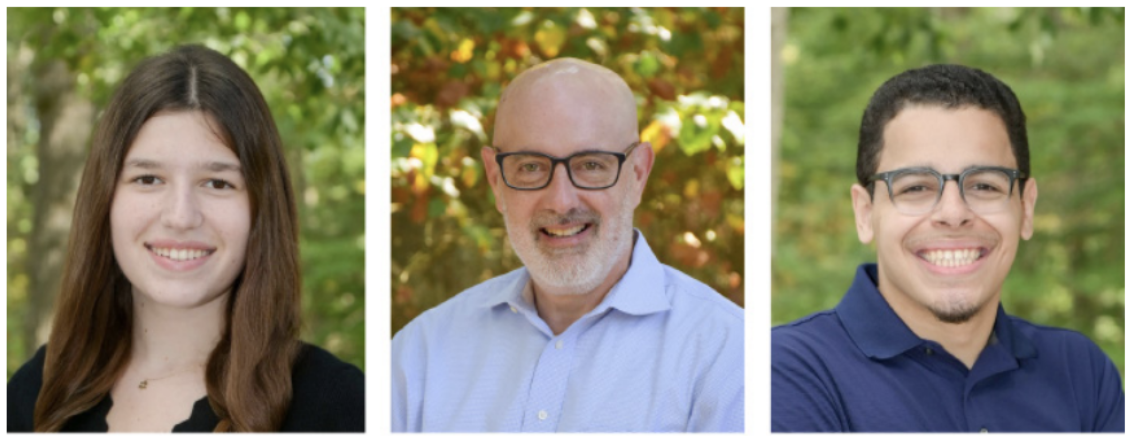
Nobles students utilize Uber’s services quite frequently, especially those who cannot drive. As a convenient resource, Carson Case (Class IV) said she hails an Uber up to five times per week. It seems many students who use Uber use Uber Teen, a subset of Uber for children aged 13 to 17, in which drivers must be more experienced and undergo more thorough background checks before they can pick up riders. Uber Teen adds extra safety precautions, such as PIN verification and real-time location tracking for parents.
These added safety features provide some students with peace of mind, allowing them to feel entirely comfortable hailing a ride. “I feel safe in an Uber because I always use Uber Teen, so it has all these safety features. You can only get drivers rated 4.9 stars out of five and above,” Case said.
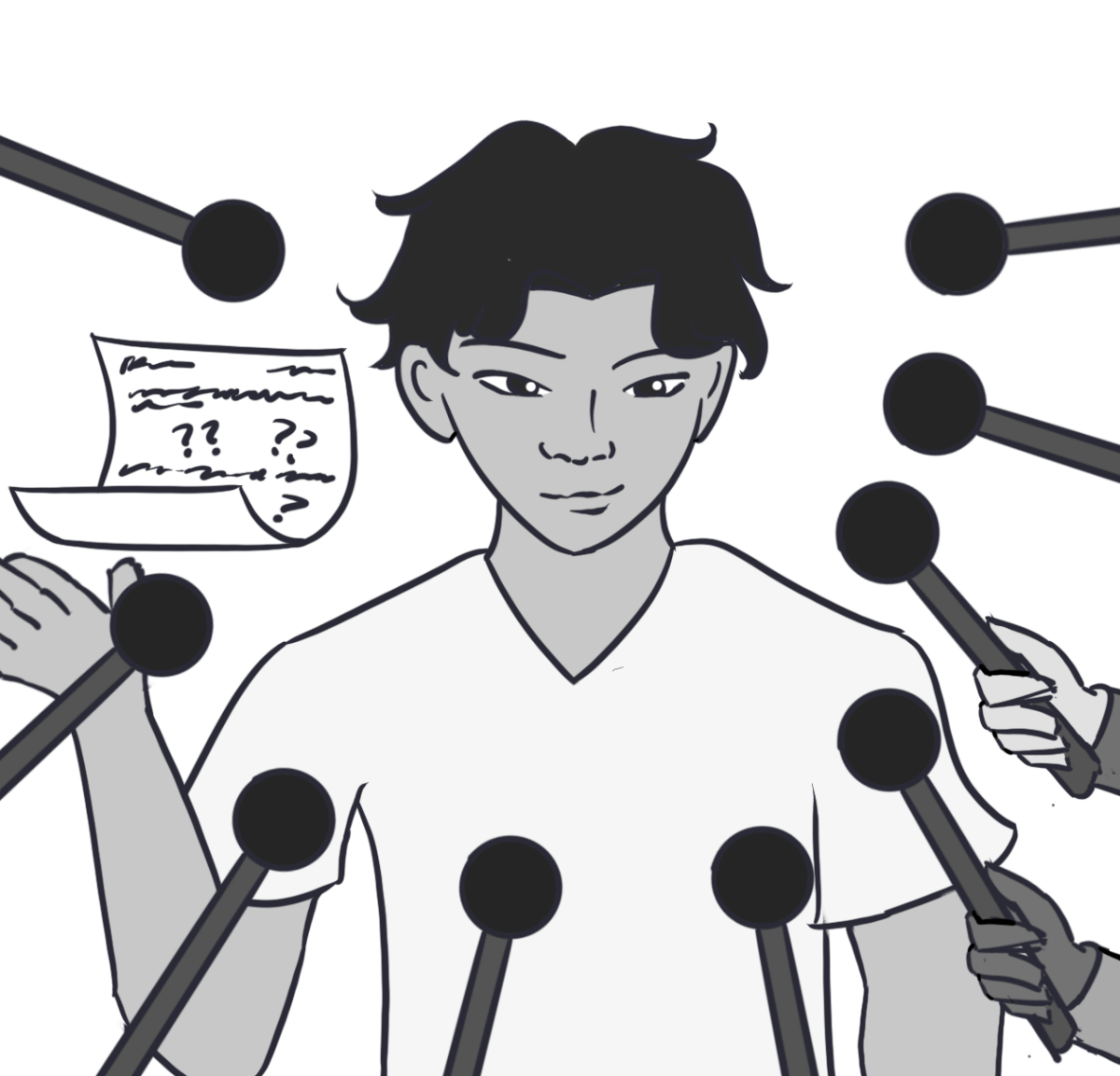
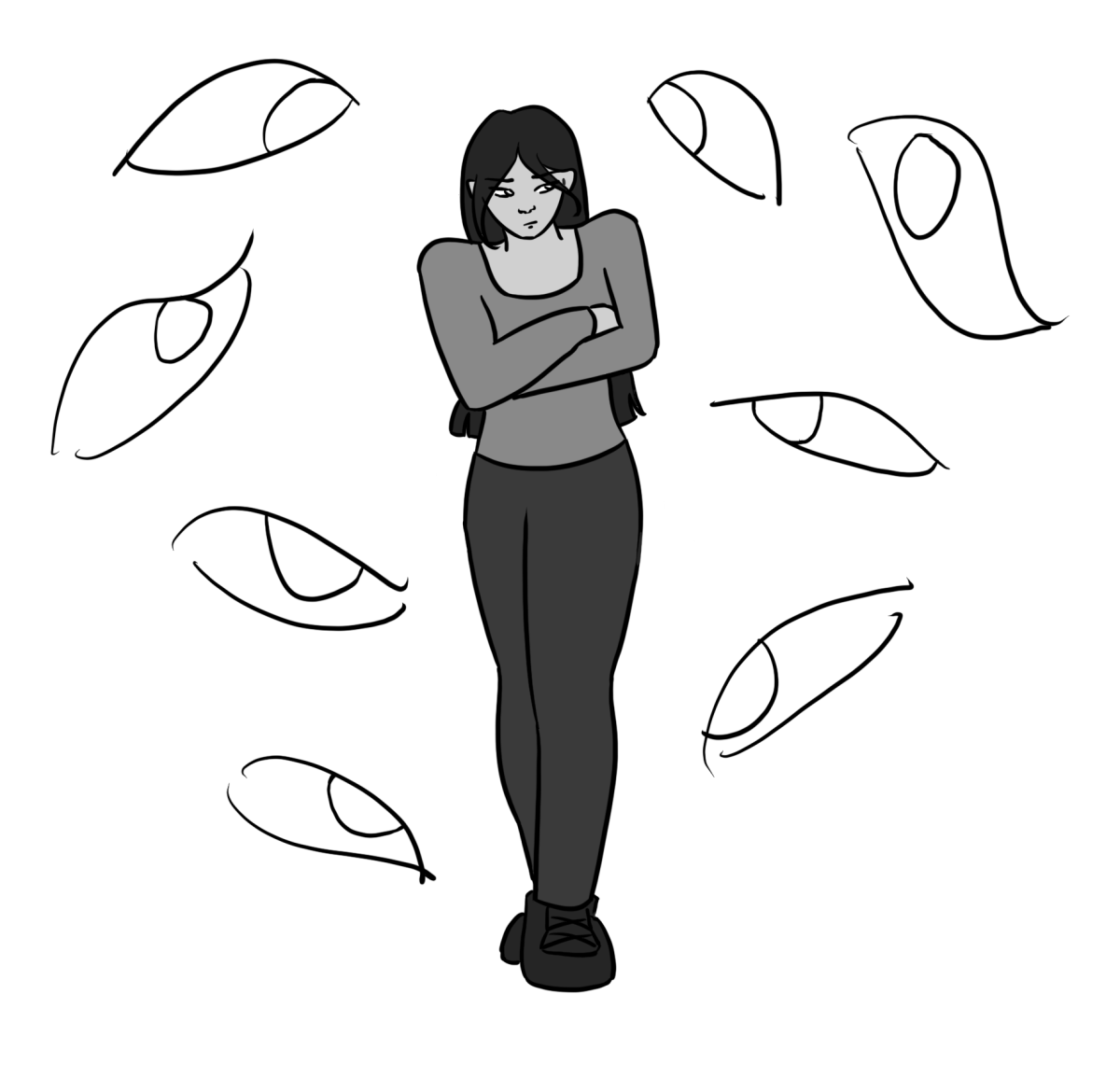
Dean’s lawsuit, as well as the specific dangers that accompany calling an Uber, remain unknown to many Nobles students. “I am not aware of [Uber’s problematic history and recent legal battles], but I’m not surprised,” Claire Chow (Class II) said. As Uber is safe the vast majority of the time, grappling with the potential dangers of riding in an Uber can impede students from taking advantage of a service that is otherwise beneficial. Finnoula Wheeler (Class I) said, “I have to put [assault] out of my mind when I take Ubers because I find it easier not to give those kinds of thoughts my time.”
Some students are open to using Uber, though their parents are hesitant to let them. “My parents don’t really like me taking it. They prefer it when I take public transportation, because there are a lot more people around,” Mia Perron (Class IV) said. “I do use Uber sometimes, only when I’m with my friends and we want to get somewhere and don’t have another way.”
Other students feel uncomfortable using the rideshare service at all, even though their parents allow them. “There’s a much higher chance of [assault] happening. My mom is a gender inclusion specialist, so I’ve grown up knowing that there’s a huge correlation in terms of gender-based violence happening to women,” Bella Bessa Mackenzie-Grieve (Class III) said. “If I were a man, I would feel a lot more comfortable in those settings, because you’re targeted less, and you also tend to have more of the physical capacity to defend yourself.”
Bessa Mackenzie-Grieve has been forced to seek out alternative, sometimes inconvenient, transportation options due to her fear of using Uber. “Usually, I’ll have to depend on rides from my parents or a friend. If those options aren’t available, I tend to be late or too early to stuff,” she said. Fear of sexual assault can inhibit access to efficient transportation.
From 2017 to 2022, the 0.01% of Uber rides that resulted in an attack amounted to 400,181. Scrutiny over the number has pushed Uber to publish an annual safety report detailing the new policies and measures it adopts each year to ensure passenger safety. The reports often have undertones of deflection — some of Uber’s points seem to be attempts to evade legal culpability.
Uber argues that it cannot always be held responsible because its drivers are “independent contractors rather than employees.” In one of Uber’s brainstorming documents, Uber wrote, “Our purpose/goal is not to be the police. Our bar is much lower, and our goal is to protect the company and set the tolerable risk level for our operations.”
This opens up a debate on whether Uber should be held accountable for any harm a rider may experience while in an Uber. “I definitely don’t think it’s Uber’s fault, but I do think they should take some of the [blame], just because people are getting sexually assaulted by drivers [through] their app,” Lexie Hoffmeister (Class III) said. Others held Uber to higher standards. Marin Hamory (Class IV) said, “Uber is definitely liable, since they’re paying the drivers, and because [riders] are paying their company.”
Ultimately, while sexual assault is not common, it does happen, and therefore, it could be beneficial for students to have increased awareness that Uber may be an environment that poses risks before they hail a car. Learning to use Uber’s safety features properly is an essential precaution to minimize the chance of harm during a ride.