










For the majority of students, Vinik Theatre is a place to watch friends perform and forget about homework for a couple of hours. But in recent seasons, the Nobles Theatre Collective (NTC) has become a space not just for entertainment, but for the exploration of different political and social themes.
Across three productions, John Proctor is the Villain, Antigone, and Urinetown, the NTC sparked discussion around issues such as misogyny, government authority, and corruption. Each show used relatable characters and storylines to make complex topics hit closer to home. Political ideas can often feel distant when they are discussed only through the lens of history and current events. However, theater has the ability to change that standard by placing emotions and relationships at the forefront of controversial productions. Carina Grossman (Class I) said, “I think that the most important part of performing arts is that they take an abstract political idea, and add emotion and a spectacle which appeals to the moral part of the audience and helps them connect to that issue.”
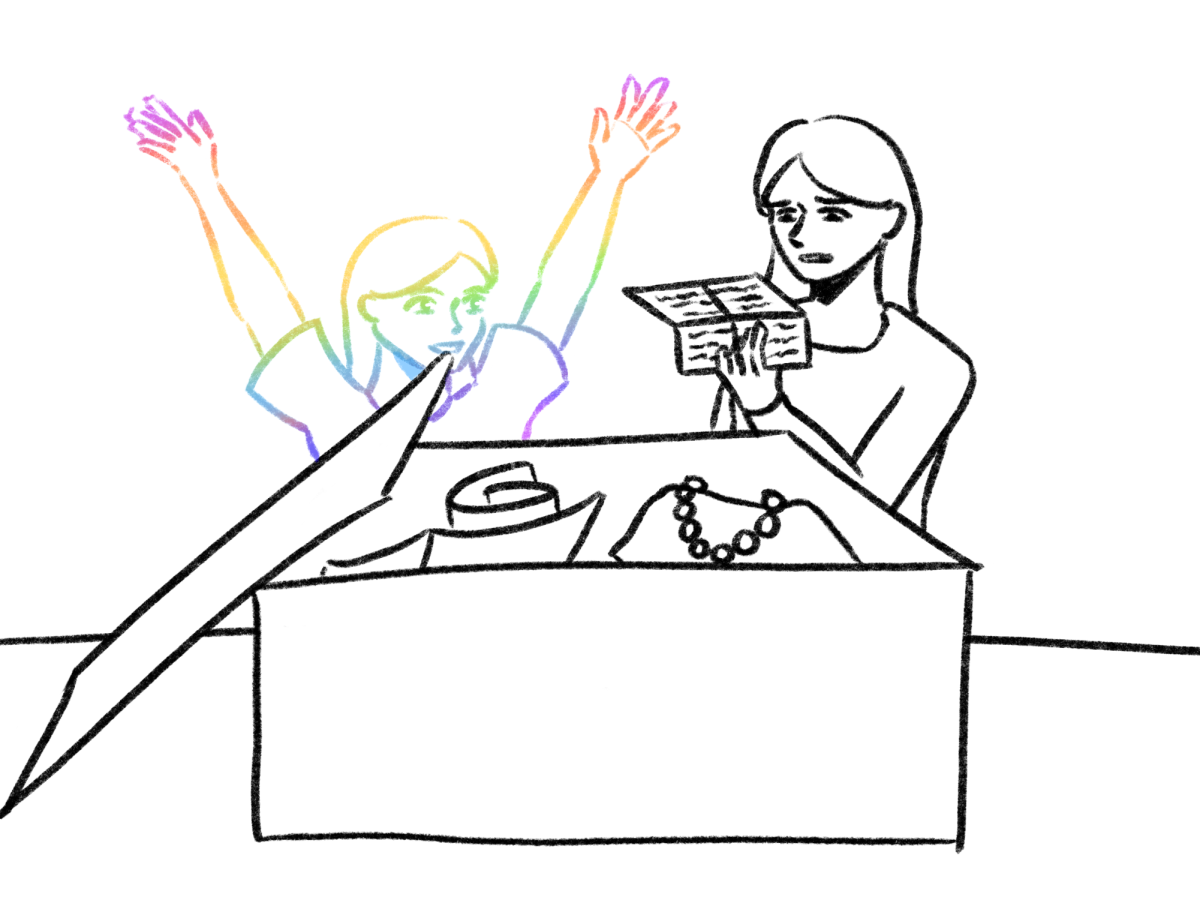
The 2025 spring play, John Proctor is the Villain, is an example of this connection between theater and life. The show follows a group of teenage girls studying The Crucible while confronting issues tied to the #MeToo movement. The topic itself is serious, but the play focuses on friendships, disagreements, and the difficulties of being a teenage girl. Performing Arts Faculty Adaire Robinson-Bohnslav said, “People loved John Proctor so much and were so moved by it because it was raw and real, and it validated the feelings and power of teenage girls.” By centering the story on relationships between girls, the play also challenged common stereotypes about teenage friendships. Instead of reinforcing the idea that female friendships are inherently toxic, the play highlighted how these relationships can be a source of support and change. That message was intentionally communicated by the cast. Alex Mitchell (Class II), who played Mason Adamns, said, “I wanted people to question something that they had gone into the show believing. I wanted people to try hard to see new perspectives or learn more about the world as it is right now, because art imitates life.”
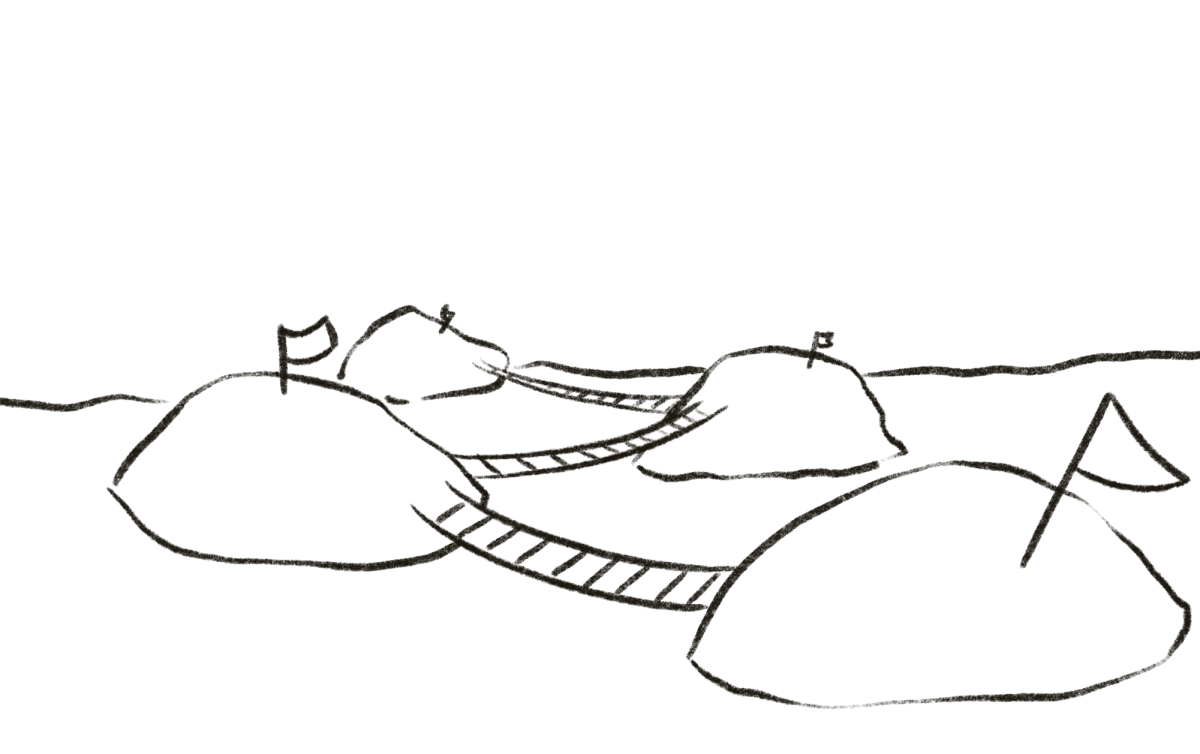
This year’s fall play, Antigone, approached political questions from a completely different angle, forcing the audience to question which characters are right and which are wrong. Robinson-Bohnslav said, “Antigone was more like, ‘What if there’s not always one good guy and one bad guy?’ There’s no person in the play who’s blameless.” The lack of a clear ethical answer pushed audiences to dig deeper into the content of the play. When characters are morally complicated, viewers are forced to take their own stance. One person might have sympathized with Antigone’s loyalty to her family, while another might have viewed her stubbornness as selfish. These differing interpretations capture audience attention and move the play forward. “Antigone keeps getting adapted over and over again because it’s about so many things that continue to be relevant. Even though the story is thousands of years old, the political themes of personal beliefs and government authority still mirror the world today,” Lead Dramaturg Talya Sokoll said.
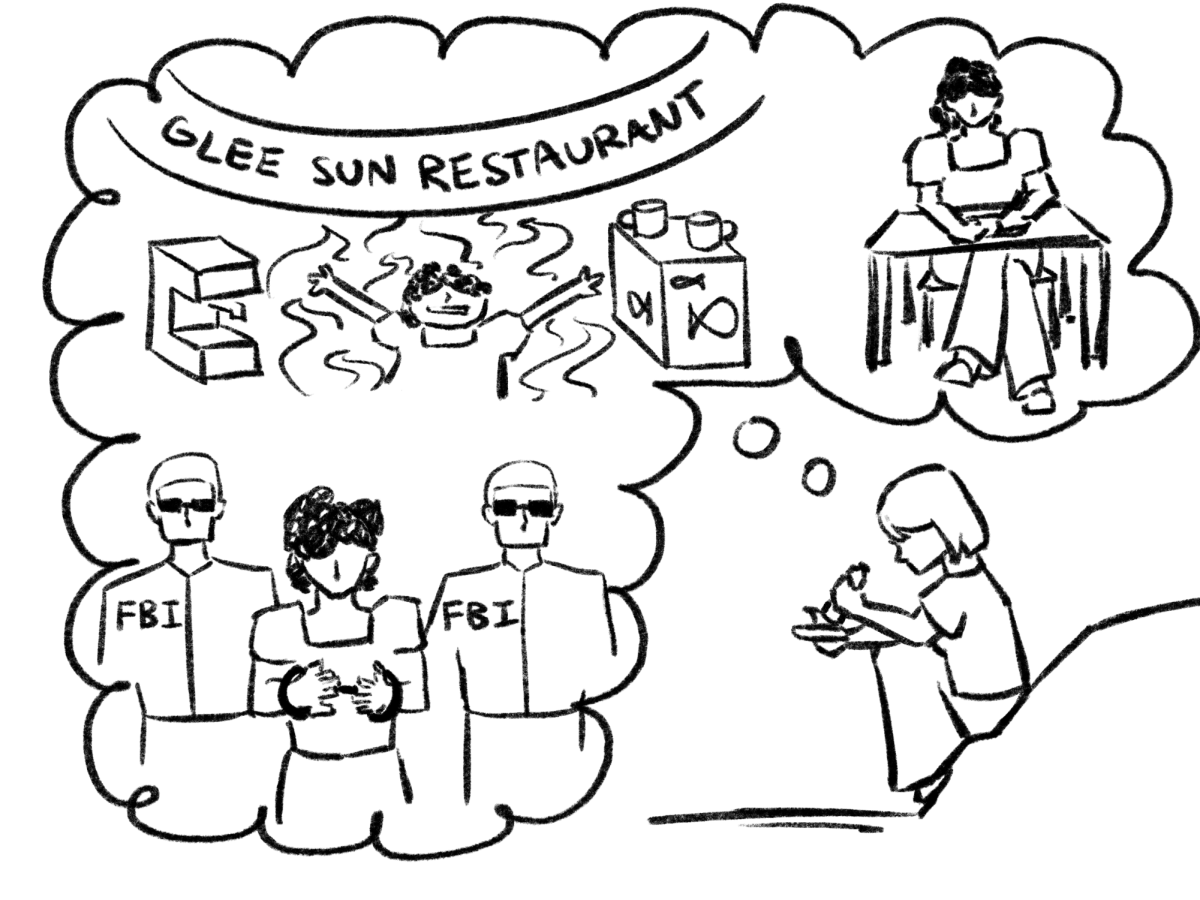
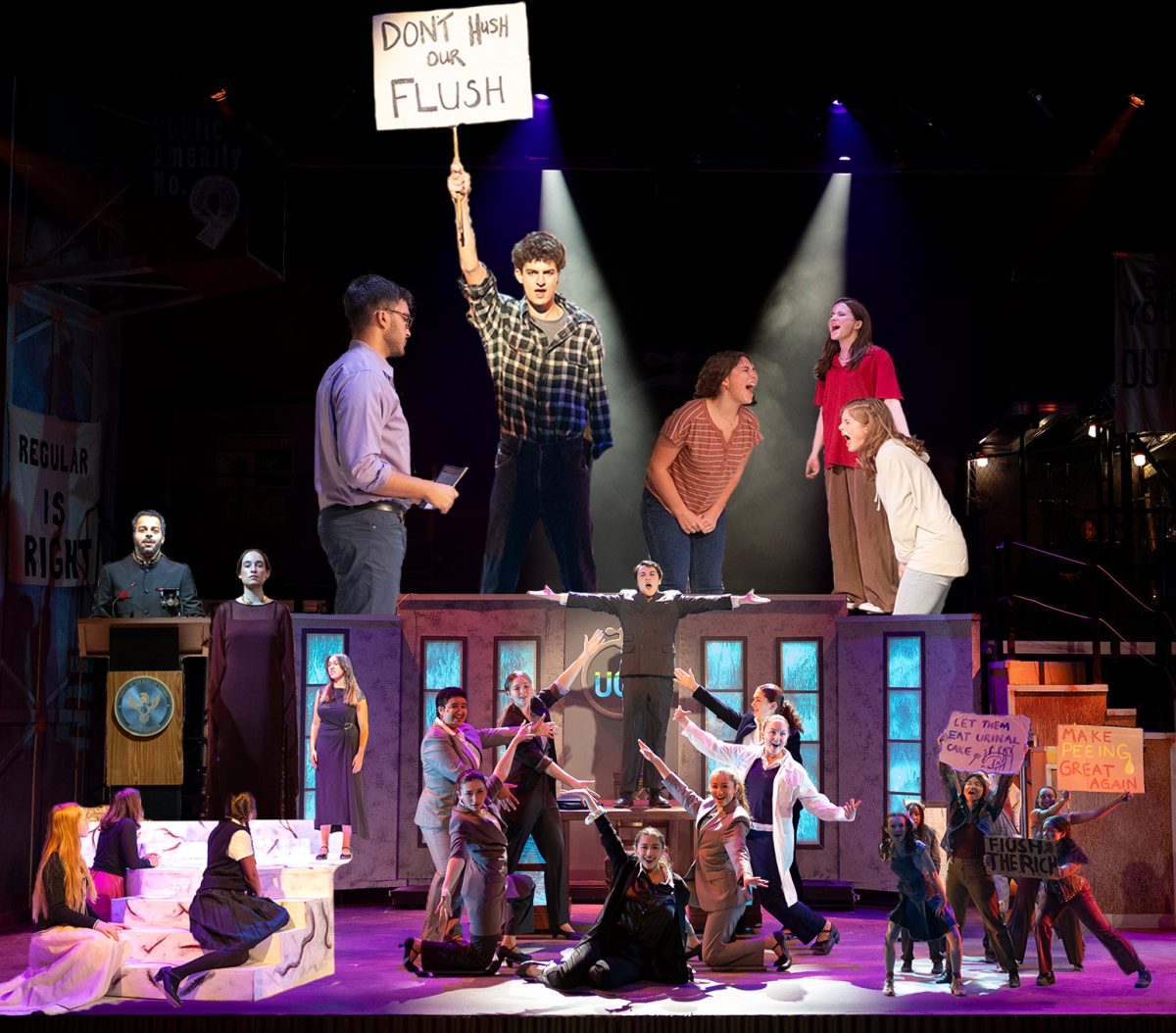
In the winter, the NTC shifted from tragedy to satire. Urinetown takes place in a world where a severe water shortage leads to strict government control. Citizens must pay to use public bathrooms, and anyone who refuses faces punishment. Though the premise is ridiculous, its absurdity is what allows the show to effectively critique flawed systems of power. Grossman said, “There’s been a lot of ups and downs in the development of our society as we know it, and I think the message of Urinetown is emphasizing that there’s a lot more nuance to being in a not-so-ideal time in society.” Unlike many stories about political struggles, Urinetown never clearly tells the audience who to support. Instead, it shows how people on both sides of the conflict can become corrupt once they gain power and opportunity. “Urinetown leaves a very open-ended question with the audience when they depart,” Grossman said.
Theater exists within the same social and political circumstances as the audience watching the productions. Mitchell said, “I believe that art is inherently political. When you see actors on stage, it feels a little more removed from the conflict itself, so it feels easier to speak about.” Students in the audience noticed this effect. Camilla Mangal (Class II), who watched Antigone and Urinetown, said, “It was a nice way to contextualize what’s happening in the world and put it in an art form, because art uses simple things as a metaphor for greater things in life.” The theater does not just present stories; it opens them up for discussion. By turning political issues into human narratives, the stage creates an environment where people can explore complicated ideas and continue difficult conversations beyond Vinik.