





Editorial Note: The U.S. and Israel launched an attack on Iran the morning of February 28 after this article was already written and finalized. The situation is ongoing, and we urge all readers to stay informed on the conflict as it develops.
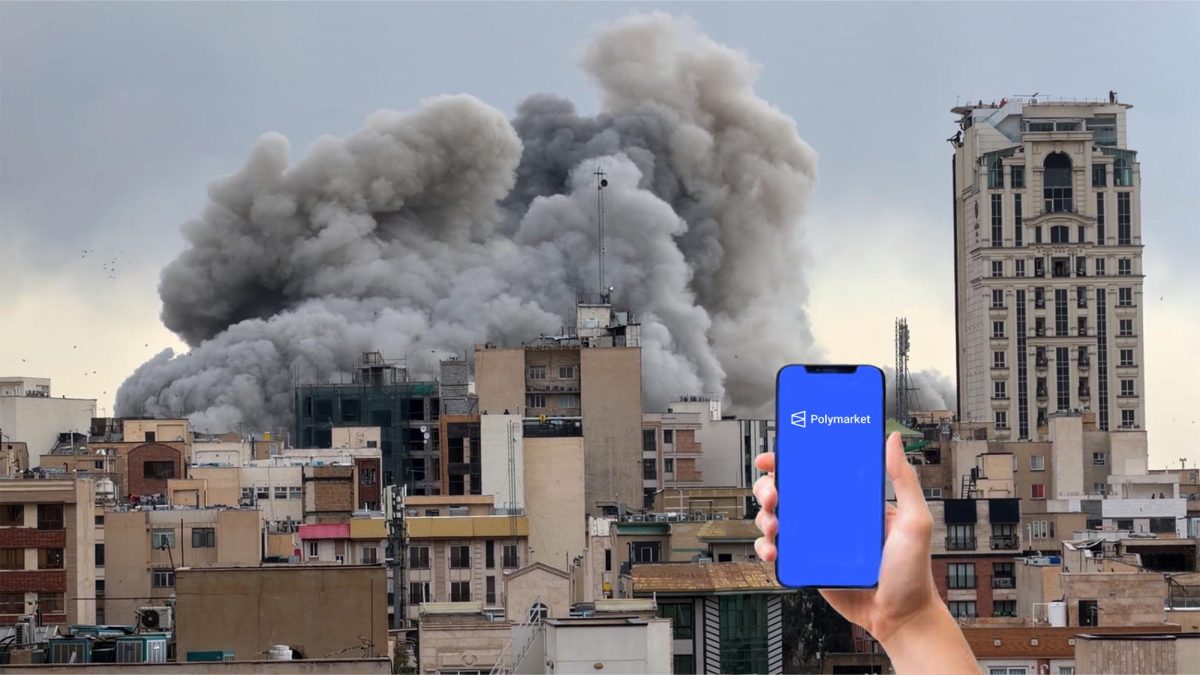
Beginning in late 2025, massive protests erupted across Iran after the national currency (Iranian rial) collapsed, making basic goods unaffordable. Protests spread across the country and evolved from strictly economic grievances to calls for the end of the Islamic Republic of Iran. The regime responded by shutting down the internet, arresting over 10,000 people, and killing over 30,000 protestors over the course of a few weeks. While the government has largely suppressed the uprising, protestors from the global community have continued to advocate for regime change, including through mass public gatherings and marches. The Islamic Republic of Iran is still in power but has been weakened and faces threats of military intervention from the Trump Administration.
The events in Iran have coincided with English IV and Global History I (GHI) curricula’s discussions of the country’s history, prompting classroom education about the news in the region. In addition to expanding the set curriculum to learn more about Iranian history, GHI classes have also discussed current events as they have unfolded. History and Social Science Faculty Nahyon Lee discussed the importance of teaching the news in a way that feels relevant and meaningful to students. “I talked about some of the people who are being executed—not to scare the students, but to personalize the news so that they’re no longer a number,” Lee said. Current news in Lee’s classroom is not limited to Iranian events and is a consistent staple throughout the course. “There are places where you can see the connection between what we’re studying and what is happening now. Even if it’s a part of the world that we don’t cover, the themes are still the same,” she said. Education about current events in English and History classes has created meaningful opportunities to enrich Class IV students’ global awareness. “I hadn’t heard anything about the current events in Iran, so getting the news from English and History class has connected me to what’s happening in the world right now,” Vicente Aguerrevere (Class IV) said.
The English IV curriculum includes the graphic novel Persepolis, an autobiographical account of Marjane Satrapi’s childhood in Iran during the Islamic Revolution. The novel and GHI’s unit on Iranian history are taught simultaneously, leading to a more layered and complex understanding of Iran’s history and current events from both historical and personal perspectives. “Persepolis is written as witness testimony to the history, so you get a lived experience of what exactly happened and how it’s changed over time. When reading Persepolis and studying Iran, I have noticed similarities and differences between then and now,” Alex Karanja (Class IV) said. This multidisciplinary approach to teaching Iranian history has lent itself well to discussions of current events.
The wider school community has also followed news of these events, sparking conversations about the effectiveness of peaceful protesting. “When a government cares about its global standing and the opinions of others, peaceful protests are a really powerful and impactful form of creating and causing change,” Eitan Friedman (Class II) said. Other students further explained the significance of the global awareness that peaceful protesting can yield. Warren Turner (Class IV) said, “Global recognition of the peaceful protests can also help spark change, sometimes even more than the people themselves, by leading to shifts in international diplomatic relationships with Iran, which could force the Iranian government to comply with demands.” Particularly since the Iranian government has silenced its own press and shut down internet access for civilians, many students believe that international pressure may be more influential in driving Iranian policy or regime change than domestic protests.
Students also considered discrepancies between what they have seen posted and discussed online about events in the U.S. compared to those unfolding in Iran. Isabel Goddard (Class I) said, “I generally see more about domestic issues like ICE than the situation in Iran.” While many potential factors could contribute to this exposure gap, Friedman identified one of the most critical. “People adopt a mentality of ‘It’s not my problem because it doesn’t affect me directly’ regarding foreign issues,” he said. This mindset, while perhaps spurred by a natural prioritization, can lead to ignorance of global context. This gap provides a key reason why classroom discussion about current events is so valuable. Even if news does not reach students through official outlets or their peers’ social media posts, class curriculum and pertinent supplementary discussions can ensure students have a global perspective.
For students watching thousands die in Iran’s streets while protests unfold in their own country, topics of power, protest, and democratic rights are relevant and necessary to discuss. Class curricula pertinent to the crisis in Iran have enabled Nobles students to stay informed about current events, and the events in the region have provided an opportunity for the broader student body to evaluate peaceful protesting. “The story doesn’t end just because we finished the unit,” Lee said. “It’s a narrative that continues.”