




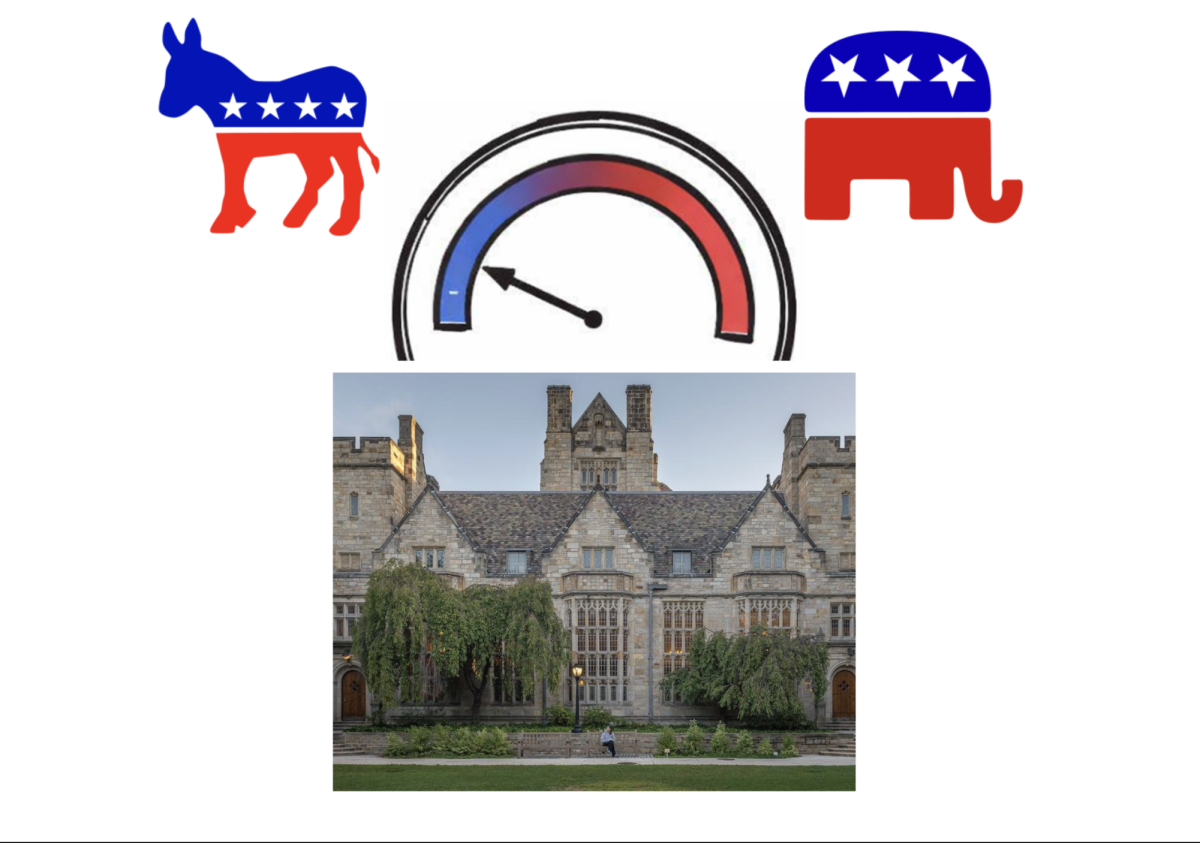
Recently, there has been a growing notion that higher education has become increasingly liberal. A 2025 Brandeis University survey of 2200 faculty at nationwide colleges found that 72% identified as liberal, and another survey conducted by the American Higher Education Research Barometer found that among 31,000 respondents across 50 states, 77% of students worry about perceived liberal bias at higher education institutions.
However, whether the liberalization of colleges is problematic for conservative students depends on multiple factors. One of these is how much emphasis a particular school places on politics. The importance of politics at any level can fuel interactions with peers, shape sports team culture, and alter the curriculum itself. While some students may have a desire to attend colleges with political stances similar to their own, the focus is more on other factors. Shane Barry (Class II) said, “I like to think of the type of people who come out of the college and how set up they are for life. College is a means to an end. I don’t want to just go to college. I want to go to become something.”
Despite a focus on the future, students must still undergo the college experience to graduate, and the influence of politics on that journey can be striking in social life. Specifically, college students experience two primary social dynamics that serve as the pillars of campus life.
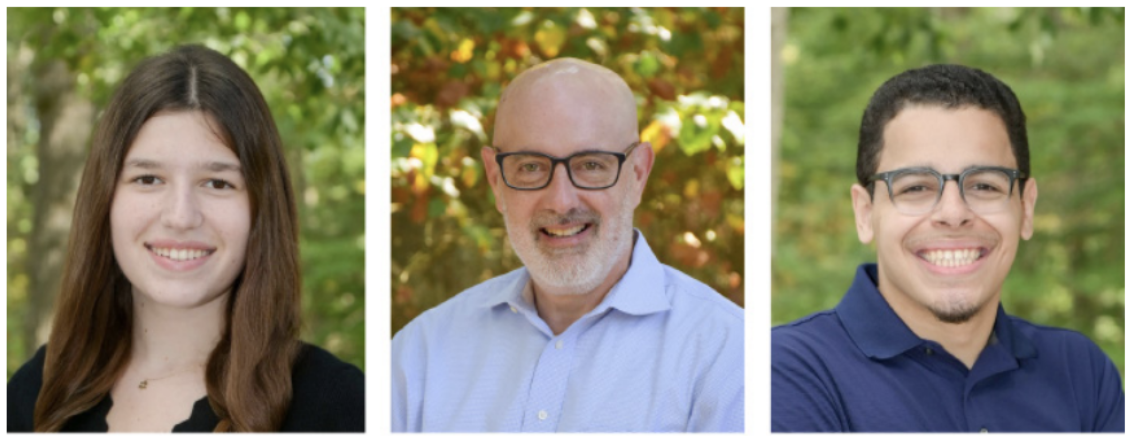
The first is interactions with peers, which, when considering politics, forces students of differing stances to converse with one another. The main point of discussion for right-leaning college students is a limit on their ability to disagree with their peers. Andrew Martins (Class I) said, “I have friends that I don’t agree with, but at the end of the day, it’s not a big issue because it’s about fostering connection and hearing new perspectives. If you take the disagreement so personally that you want to cancel someone, that’s weird.” Cancel culture has become increasingly prevalent in today’s age of social media and a toxic political climate. “People may be reluctant to go against where an institution stands politically, because they’re afraid of being and outlier and being picked on. It can be scary if you’re with people who you know might have certain viewpoints, and if you say something that opposes them, they’re all gonna gang up on you and shift their opinions of you for the worse,” Barry said. Whether it is cancel culture specifically or politics in general, the impacts they have on social life can have an especially profound impact on Nobles students in their college decision process.
The second pillar of social life on college campuses consists of student-to-faculty interactions. This dynamic introduces a power imbalance between individuals and raises the question of where those involved should draw the line between sharing political beliefs and pushing them on those who look up to them.“I think a lot of it depends on language. I’ve had a lot of experiences with teachers trying to push their agendas by making very opinionated comments. While they may introduce other opinions, it’s clear that they’re ready to shut them down and use them in a way that lets them convince you how wrong they are,” Maddie Jaeger (Class I) said.
Of course, the alternative to biased language would be open discussion, with a clear stipulation that all opinions are welcome. “[History and Social Science Faculty Brian] Day, in Microeconomics, does a good job of sharing his opinion, but then saying, ‘Please disagree with me. I want to hear what you have to say.’ It’s important to make the point that you want to hear other opinions because if the teachers don’t, kids can be scared to share their thoughts, especially if they’re the political minority,” Julia Krepelka (Class I) said. Nobles emulates the reality of college life with the guardrails of high school. Despite the encouraging example of political tolerance and inclusion set by Day, the leftist dominance of higher education still trickles down to Nobles.
Fittingly, our assembly stage, the heart of our community, serves as a clear example of this trend.“In every assembly presentation, they say we’re not biased. We’re just saying the facts. But it’s just not true, and it’s obvious which way we lean. It makes it harder for kids to really make a decision on their own if all they’re hearing is a certain ideology,” Martins said.
Whether it be Nobles or colleges, many factors contribute to a school’s outward expression of political alignment, such as statements on certain issues, internal policies, or even course material. Any bias here is where the multitude of issues arises among certain students. Most believe that neutrality is paramount to promoting individuality. “Colleges should be more neutral, so that the kids can build their own opinions on what they learn in school. Schools should teach both perspectives, both sides of the story, so they’re not forcing one side on a student. Rather, they’re letting the student make that choice for themselves,” Mac Bianchi (Class I) said.
Others feel that having a school express political stances is an acceptable means of addressing current events as long as it does not impose on the students’ independent thought. “There’s so much going on in the world, so I feel like it would be important for colleges to express their political views even though they might not sway or persuade students one way or another,” Mateo Cosentino (Class I) said.
Ultimately, the left-leaning nature of higher education is not necessarily a bad thing. It’s when an institution’s political orientation is used as an excuse to stifle others’ opinions when issues arise. However, if colleges can strive for greater tolerance, higher education can be accessible and welcoming for students of all political identities.