









By the time course registration rolls around, students know the drill: Scroll through the choices and pick their favorite electives. Occasionally, however, a once-popular class disappears from the catalog, leaving students wondering who decides which courses are cut and why.
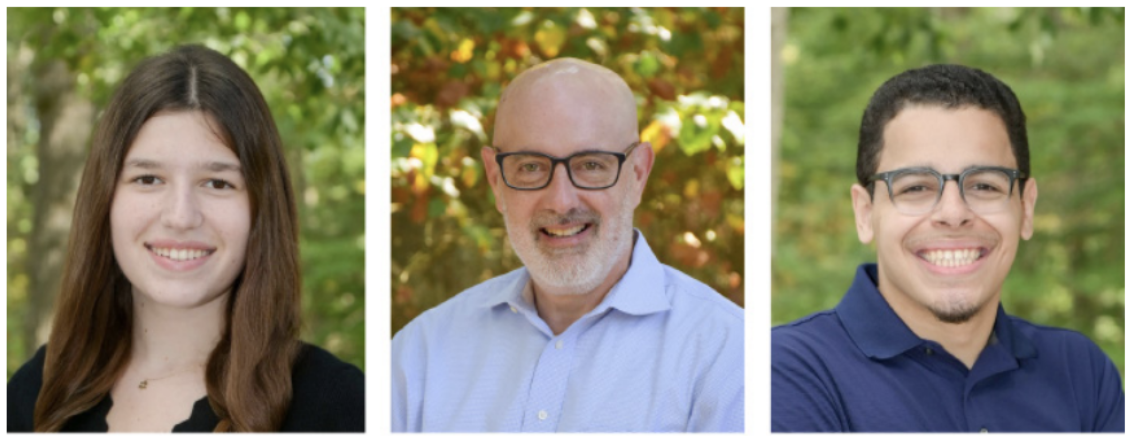
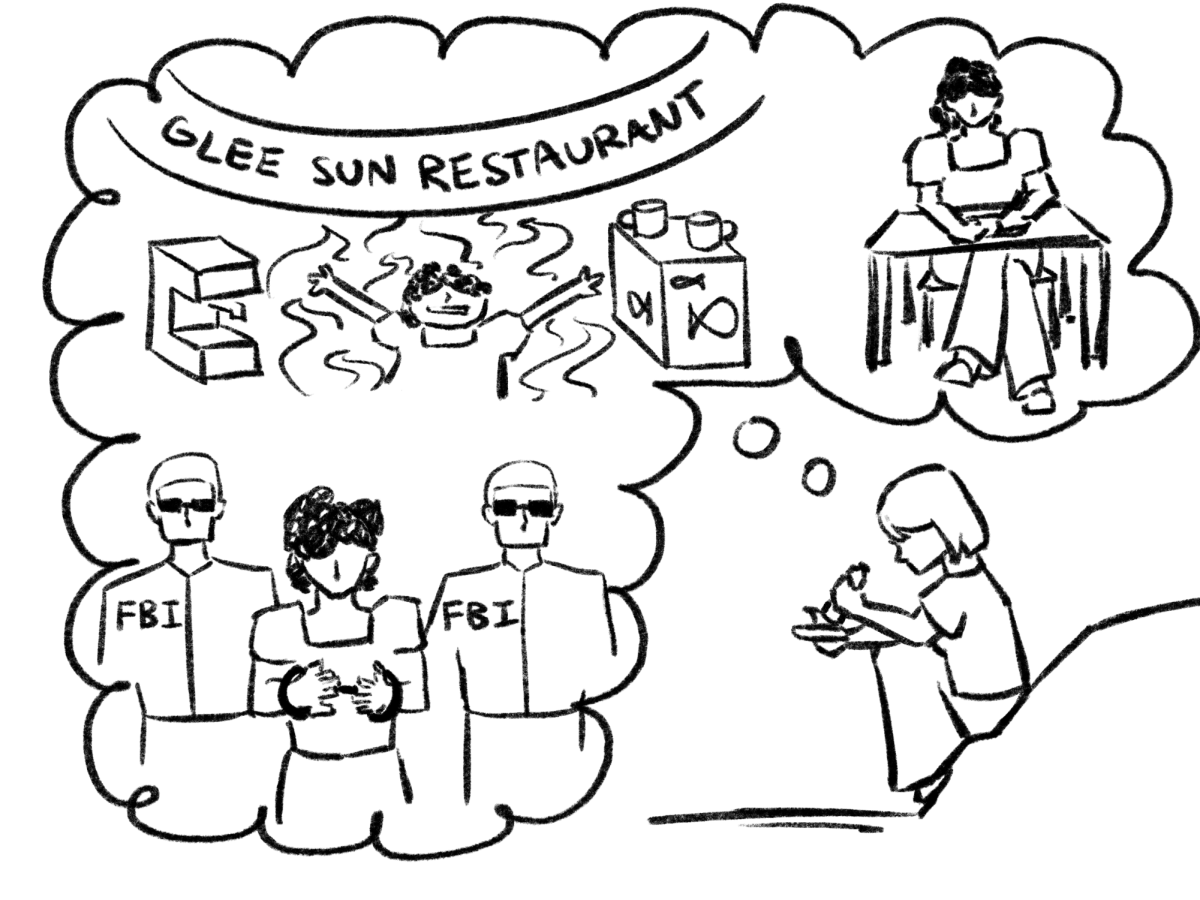
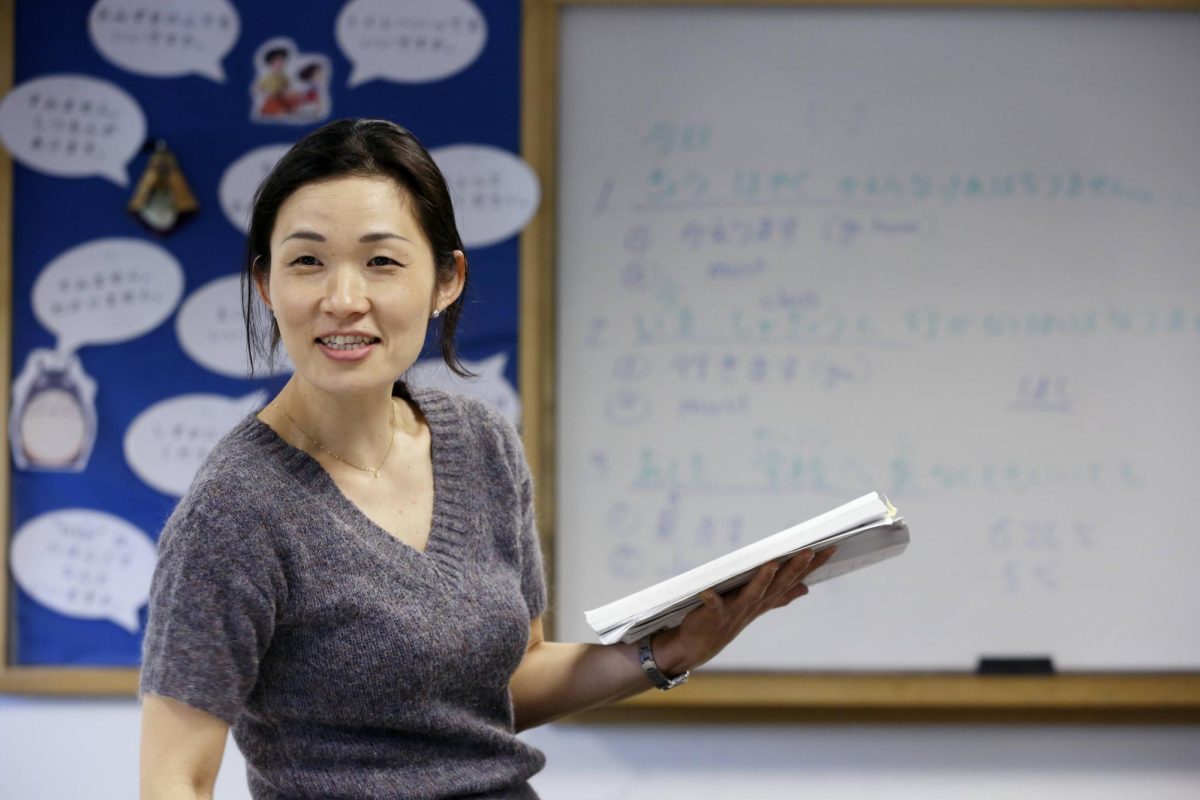
Nobles offers a variety of languages, but Japanese is one that has been discontinued. Modern Language Faculty Ray Sun said the course emphasized cultural immersion as much as language learning. “We ate a lot of food in Japanese class. We made mochi, ramen, and other dishes. One of my favorite memories was decorating Koi fish kites for Japan’s Children’s Day,” Sun said.
Over time, Japanese was overshadowed by more popular languages, particularly Chinese, which Sun also teaches. “[Japanese culture] is influenced a lot by Chinese culture: origami, the tea ceremony, calligraphy, and even the language. The Japanese writing system is adapted from Chinese characters,” Sun said. However, because Chinese is more widely spoken globally and wields greater international influence, student interest shifted. As a result, Japanese was discontinued in 2019.
Not all discontinued courses disappear due to declining enrollment. Nobles does not offer any AP English or history courses, specifically AP European History (abbreviated as AP Euro), which was a popular elective just a few years ago. “At first, I was annoyed it was removed because it seemed super interesting,” Brenna Thomas (Class I) said. However, she now takes European History 1800-Present, which covers similar material. “The current Advanced Topics history classes [Ancient Greece, Rome, etc.] have a different kind of rigor. It’s still a lot of work, but it’s work you’re interested in, which makes it much more enjoyable than grinding for an AP test,” Thomas said.
According to History and Social Science Faculty Michael Polebaum (N ’08), the decision to remove AP courses was driven by a philosophical shift. “AP courses come with a very prescribed curriculum that is very content-forward rather than skills-forward,” Polebaum said. The department thus aimed to align rigorous history courses with skill development and college preparation, leading to the creation of the Honors Research Seminar and Advanced Topics courses.
“[Honors Research Seminar] focuses on the development of your own research project that culminates in a 30-page research paper,” Polebaum said. In the freshman and sophomore Global History classes, the curriculum expands beyond a Eurocentric model. “We cut about 60 to 70 percent of the AP Euro curriculum and [instead incorporated] it with histories of Latin America and Africa [in those underclassmen history courses],” Polebaum said. The history department seeks to adopt a more comprehensive global perspective, thereby broadening students’ worldviews.
English electives also tend to change frequently. English Faculty Gia Batty teaches popular senior electives, including Campus Novel and Creative Writing. “Senior electives often get dreamed up by the teacher. When the teacher leaves, the course leaves with them. I am not sure my Campus Novel class will continue after I retire,” Batty said. She added that some classes are intentionally short-term “pop-up” courses created to meet temporary needs.
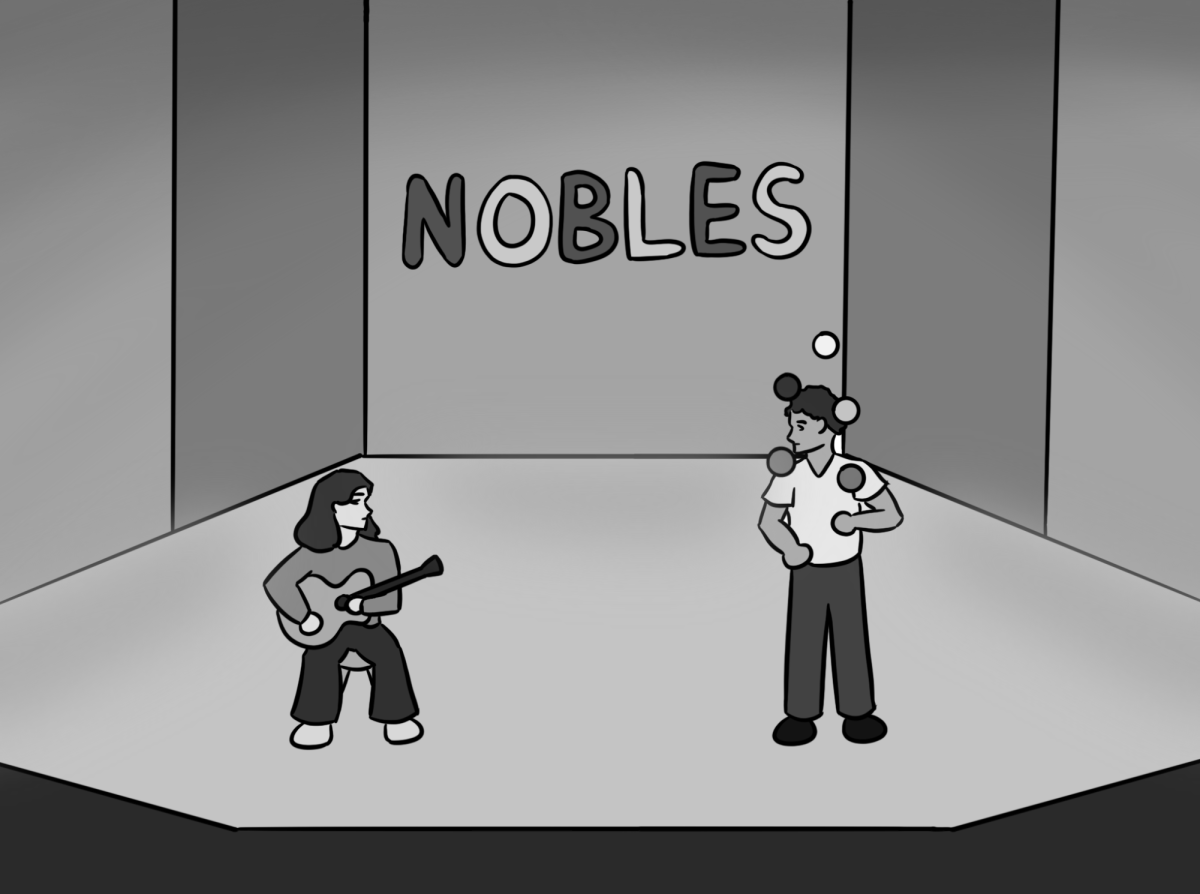
In the Performing Arts department, a popular, low-pressure elective called “So You Think You Can’t Dance” was taught by multiple teachers, including Performing Arts and Dance Faculty Nicole DeWolfe and Director of Academic Support Heather O’Neill. Rather than being eliminated entirely, the course’s content was integrated into Intro to Performing Arts. “I believe the goal in making this change was to get more students involved in the arts, rather than focusing on just one aspect. Historically, students were only exposed to one track: acting, voice, or dance. Now, they’re exposed to all three,” O’Neill said.
Decisions about scheduling and the course catalog are complex and require strategic planning. Head of Upper School Alison Easterling and Upper School Director of Studies Sue Kemalian oversee the addition and dropping of classes and gather feedback from students and faculty. “Each year, departments have an opportunity to propose new electives if there is a need for a new course, and/or if someone in the department wants to create a new one. Of course, required courses need to be staffed first,” Easterling said. Easterling cited student interest and staffing limitations as the most common reasons for discontinuing classes.
Kemalian also works on course selection. “Each kid is their own puzzle … we try to do the best we can to match the needs of our population within the constraints that we have,” Kemalian said. That means that satisfaction cannot be guaranteed for every student at the school. However, departments are doing everything they can to provide better support for students. “[For example], we now have an integrated Algebra I/Geometry course for students who didn’t have a solid Algebra I background so that they can be successful in the rest of our curriculum, as opposed to being a year behind in math,” Kemalian said.
From languages to the arts, Nobles continues to adapt its curriculum to balance student interest, faculty expertise, and its educational mission. Though some beloved courses are discontinued, integrations with other courses and new offerings ensure that students can continue to explore a meaningful array of subjects.