




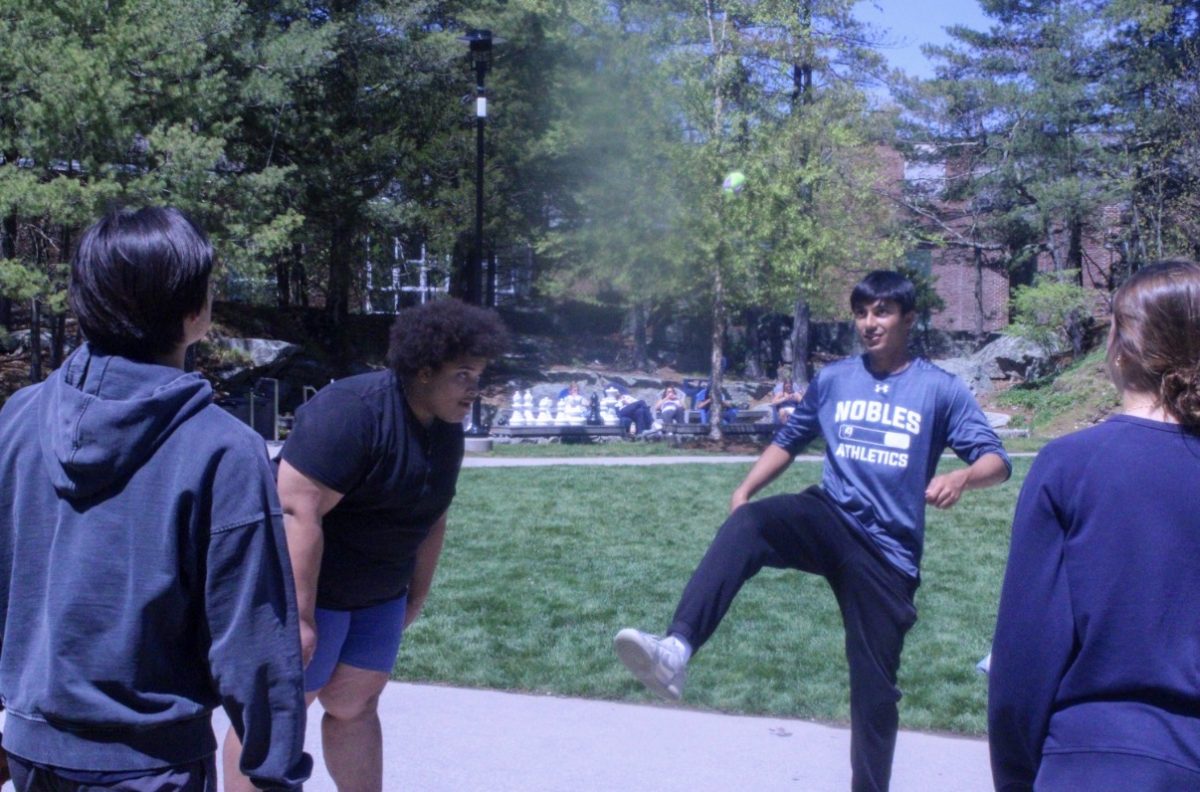










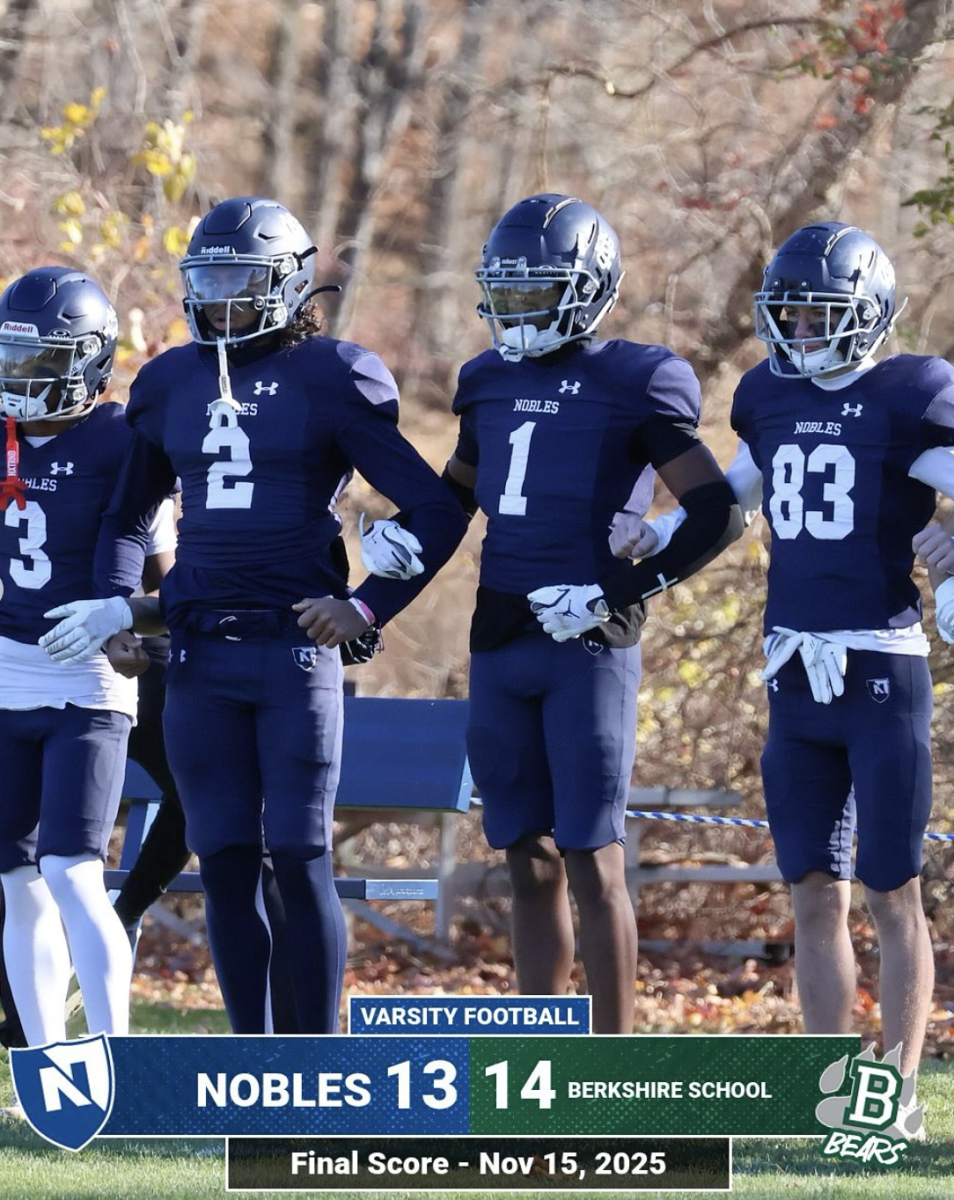
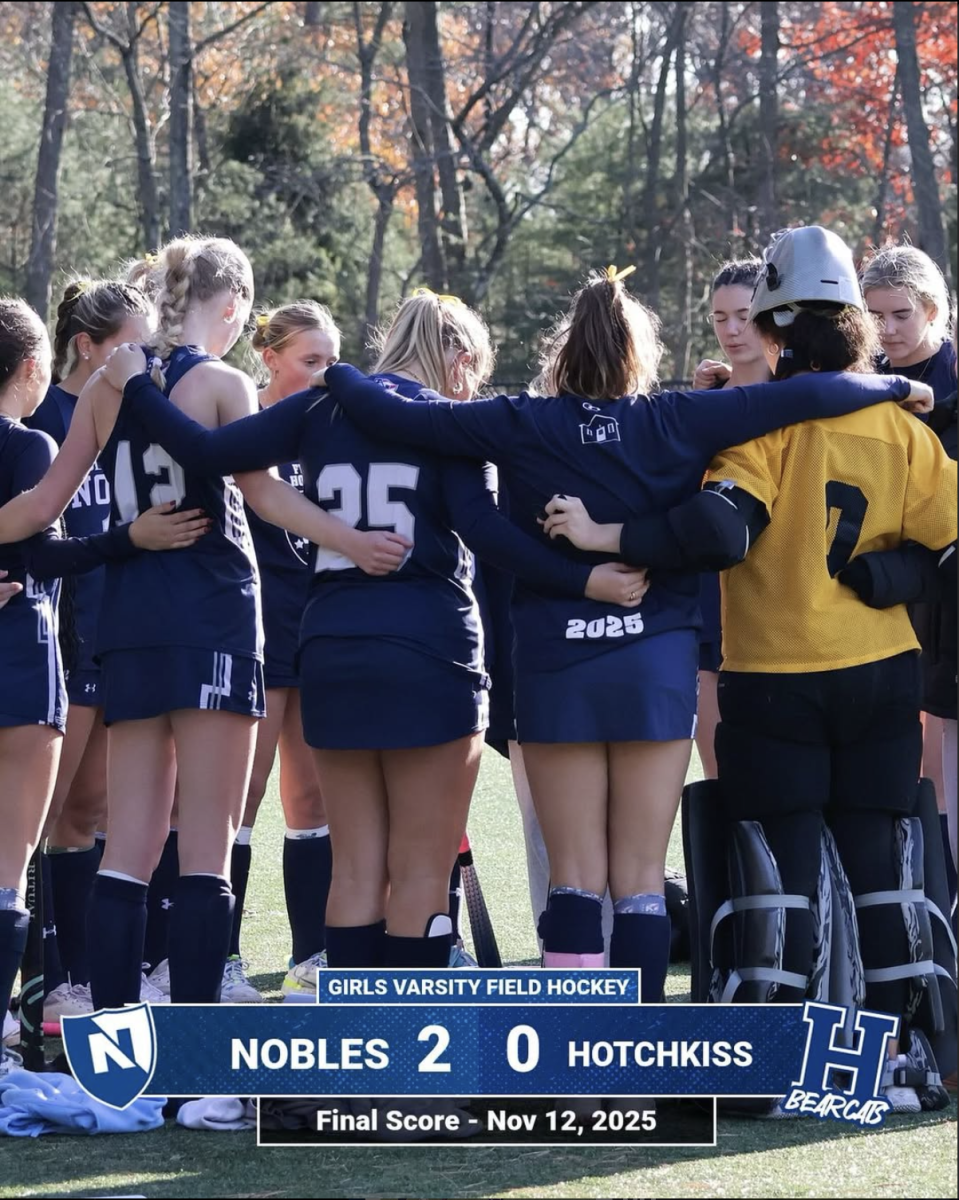


Nobles is a place where athletics are ingrained into the very fabric of its community. The varsity teams have always drawn large crowds and created buzz across campus during Friday Night Lights and near playoff season. Yet junior varsity (JV) sports, while overshadowed by the varsity programs, have a cohesiveness that can sometimes be hard to find on varsity teams. With increasing leadership from upperclassmen, JV teams have also become an integral part of Nobles athletics.
Lucas Ilzarbe (Class I) was a senior on the Boys JV Soccer team this year. Typically, seniors who play soccer make the varsity team, but this year, some were kept on the JV squad. “Our grade had an unprecedented number of soccer players. To [Boys Varsity Soccer] Coach [Steve] Ginsberg’s credit, he held a meeting at the end of junior year and outlined what to expect, that not all seniors would be able to make it this year,” Ilzarbe said. While Ilzarbe didn’t make the team, he returned to the JV squad and played an important role as a senior leader. “I think the culture has always been shaped by the older players. I remember my freshman year, the type of energy and commitment juniors would bring to each practice,” Ilzarbe said. Ilzarbe became a captain for the second year in a row. “I really tried to focus on becoming a better leader, sharpening my skills, and helping to add to the culture I had previously created as a junior,” he said.
JV sports foster a culture by relying on upperclassmen to introduce newcomers to the team’s tone. “I think that there is definitely a lot of opportunity and responsibility that is put on the juniors that is different from what you might see for upperclassmen on a varsity team,” Ilzarbe said. Team dinners are a customary part of being on a varsity team. However, on some JV teams, the upperclassmen also organize team dinners. Upperclassmen are in charge of transportation, just as they would be on a varsity team. “I think team dinners and interacting with the team outside of the field or practice are super important. We go to Nobles, which has small grades, but there’s still not that much overlap between a junior and a freshman on a day-to-day basis,” Ilzarbe said.
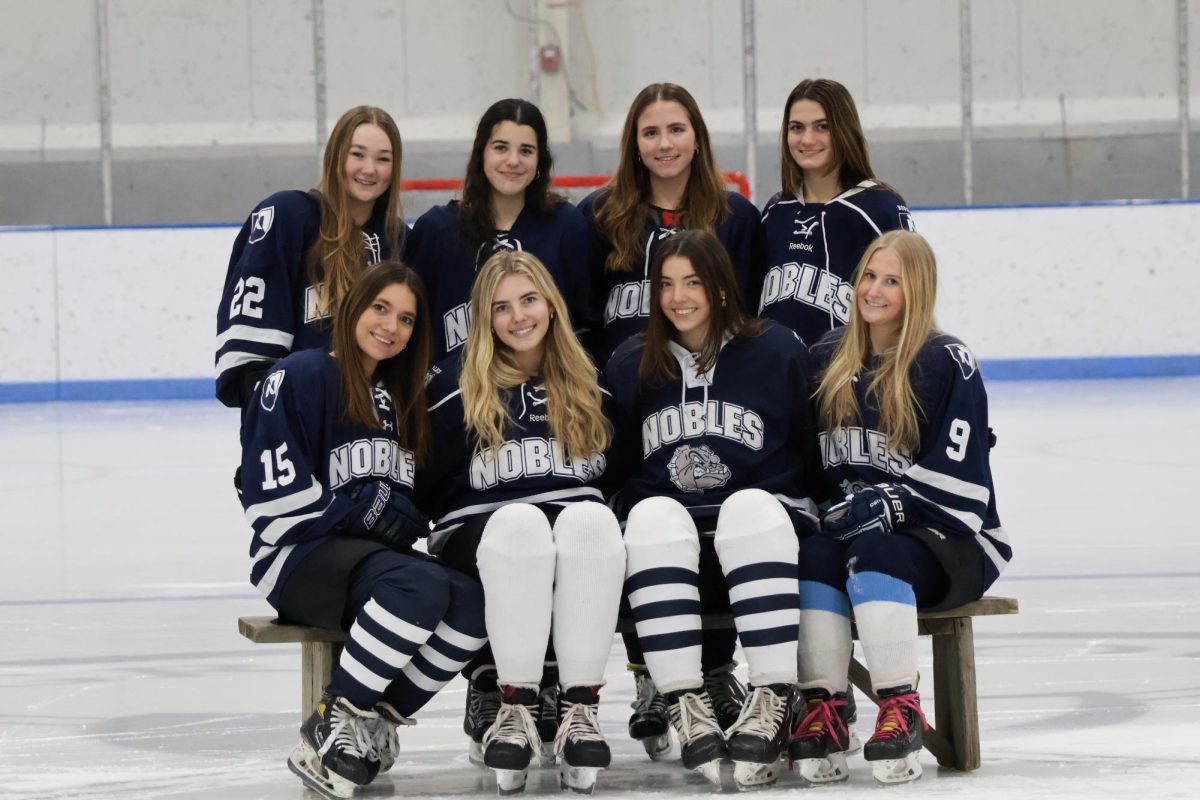
Girls JV Hockey is another team at Nobles known for its senior-driven culture. Isabel DeTuccio (Class I) believes her experience on the team was formative of her time at Nobles as a whole. “It was a really chill environment, and I think I grew as an athlete and a person,” she said. Like JV soccer, the seniors dictate the culture every winter. “I think the seniors were good role models for the underclassmen, and the expectations they had for the team made the experience better. Now, as a senior, it was easy to take on that role because of the seniors before,” DeTuccio said. Girls JV Hockey has also established a tradition of celebrating seniors with a Senior Day, just as varsity teams do. On the last game of the season, the seniors on the team get to celebrate with their parents and complete their time as players with pride.
While hockey and soccer have managed to create places for their upperclassmen, this is not a universal rule at Nobles. Last year, Girls JV Tennis banned seniors from playing. Athletic recruiting and reclassing have made transitions from JV to Varsity in some sports borderline impossible, with rosters set before the season even begins, recruits filling the void left by seniors, and leaving little space for JV players to ascend. The current system is the exact opposite of what one might expect from a public school team, where all freshmen start on a third team. Often, athletes who don’t make the varsity team their freshman year have to wait until their senior year for a spot on the roster. Basketball and hockey are two sports in which this recruiting system is most prevalent. On the other side of the spectrum are teams like crew and cross country. These teams have no set division between varsity and JV; the teams practice together, and the athletes selected to compete at the varsity level can fluctuate week to week.
Nobles Athletics are as strong as ever this year, with several ISL championships already won. The JV teams strive to compete at the highest level possible, while simultaneously creating a unique culture that fosters player development and is a cornerstone of the community.