







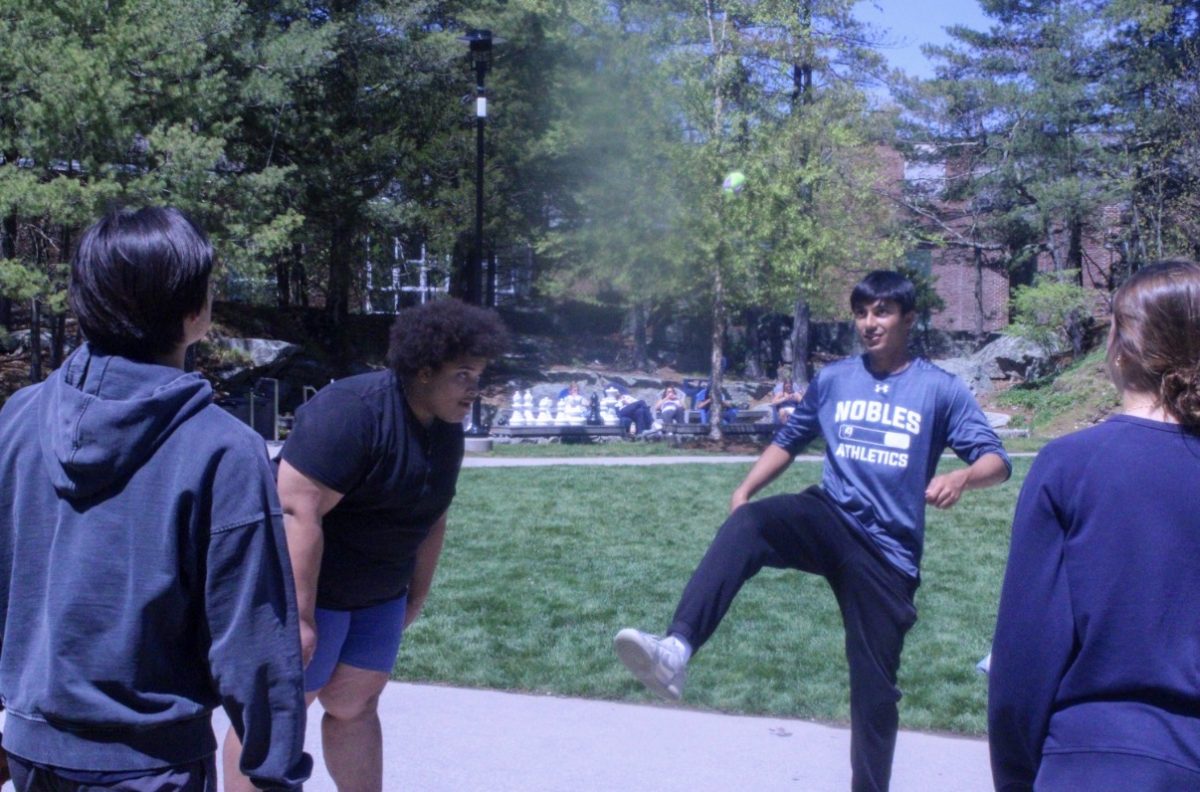










Nobles’ new initiatives to combat the rising mental health struggles among athletes, through the Riser and Tread workshops and the Athletic Leadership Council (ALC), have been extremely influential in the development of both Varsity and Junior Varsity (JV) teams. In recent years, researchers from groups including the National Library of Medicine have increasingly recognized the correlation between mental health and athletic performance, and this knowledge has begun to reach student athletes. “Mental health is just as important as being physically ready for a game. Having a good mental space helps you perform better and just be a better athlete,” Braylen Jenkins (Class II) said. “The warm-up and pregame meals are just as important as the pep talk that the captains give to calm people down and boost morale.”
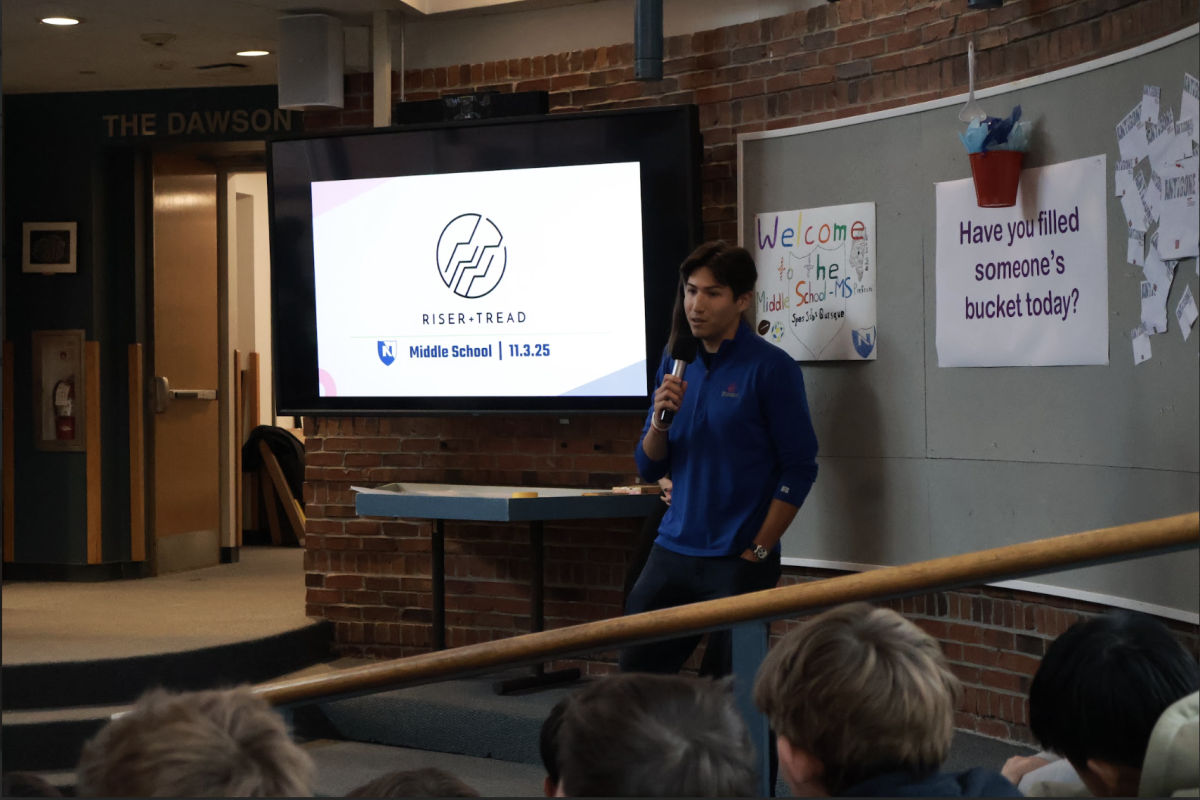
The Riser and Tread presentations focused on equipping student-athletes at all levels with the tools to bounce back after losses, manage stress, and support teammates through the highs and lows of competitive seasons. The managers of this initiative present on student mental health and split kids up into breakout groups to discuss the best ways to feel mentally prepared before, during, and after competitions. While strict diets and hard workouts prepare athletes physically for games and matches, the mental aspect of the sport is what makes or breaks an athlete’s performance. The program emphasizes the importance of confidence, stress management, and resilience. By normalizing conversations about these topics, Nobles is gradually creating a culture where athletes feel more comfortable with asking for help, both for themselves and for their fellow teammates.
Along with these announcements, the ALC, which comprises all varsity team captains and meets four times a year, helps reinforce these messages regarding sports psychology. They do this by sharing strategies to strengthen the leadership of the school’s most competitive teams. “It’s good to hear other captains’ perspectives at different sports, and then a lot of the programming that we do at the dinners is very centered around how to interact with your teammates, and especially ones that are newer,” Rohan Rao (Class II) said. As a first-year captain for the Varsity Tennis team, Rao admitted that before these meetings, he was nervous about interacting with new teammates. “Before these dinners, I was pretty nervous about interacting with the new kids. I really want to be a good leader, but at the same time, for a long time, I didn’t have a super good idea of what [good leaders] look like,” Rao said.
In Rao’s perspective, the best way to strengthen a team’s overall mental health is to find ways to connect with every personality on the team. “One thing I took away from these meetings was how important it is to get closer with each person on the team, because everyone’s different,” he said. “They’re different in how they interact with people when they’re trying to give them advice, so making sure to know what each person needs to hear and wants to hear is the best way to unite a team during a tough match.” By applying these ideas in practice and in games, captains can most effectively support athletes’ personal concerns while also improving the team’s skill.
Whitney Palumbo (Class I), a captain of the Girls Varsity Lacrosse team, highlighted the importance of confidence and positivity among captains as students, noting that both young and old look up to their leaders. Through NDUR, which were semi-annual, captains came together and listened to speakers and other classmates who gave advice on mental health strategies within competition. Captains also met in small groups to discuss the best ways to help make their teams feel happy and supported under their leadership. ”[The speakers] talked about how your mentality will influence your players, and how you need to show that you’re strong and confident and can strongly lead your team,” she said. She also shared that she thought the captains’ dinners were helpful, as different captains could share tips on how to calm teammates down or help them bond. Palumbo learned about meditation tactics that helped her team calm down before and after games, which helped girls become closer through a shared exercise.
Similarly, Luke Leger (Class II), a captain of the Varsity Baseball team, noted that he thought the ALC and the Riser and Tread program helped unify Nobles’ sports leadership community. Specifically in regard to the ALC, Leger said, “[Community] was a big part of it. It also helped that it was all captains, because we all wanted the same thing, and we’re talking about the same thing.” Leger also said that the Riser and Tread is “community-enhancing and helpful for the greater, younger community.”
By unifying teams and athletes across sports through mental health awareness, Nobles is investing not only in students’ physical and athletic success but also in their mental well-being. These new initiatives are helping foster community, create resilience, and most importantly, create supportive environments where athletes can thrive.