
















Nobles recently launched a new computer science initiative for the 2026–2027 school year, molding the old structure into a more comprehensive system that promotes accessibility for all students. The new system combines programming and robotics disciplines and offers an introductory computer science course, which then allows students to take more advanced classes. Computer Science Faculty Andrew Shumway said, “[We want to] encourage the best possible accessibility to all of our classes.” This availability, the computer science department believes, will allow students to fully engage in the subject and increase participation from all upper school students. “Every job that exists currently, and every job that will exist, will have to have some sort of ability to think in a computational way. So computing is an absolute necessity in this world,” Shumway said. Computational thinking involves recognizing patterns, debugging, and abstraction in computer science.
The old system was replaced after just three years, a testament to the constant emergence of new technologies such as artificial intelligence and semiconductors. The new model enables more streamlined computational understanding and opportunities, allowing students to adapt to a changing world. Moreover, with the AP-level computer science courses, many students entered without sufficient knowledge, which made the class much more difficult. “Having a background, a structure put in place, will make it way easier to be in those harder classes. The learning curve will be less difficult, and the classes will be far more enjoyable,” Shumway said. Among various factors, encouraging female representation was considered, as there have been far fewer female students in past computer science courses. The computer science department would love to see a more representative split to truly allow all students to be more involved in the discipline.
Nobles students have reacted generally positively to the new system. Teddy Dlugosch (Class IV) believes the new changes are for the best. “I think it’s cool. It makes it a lot easier for you to get into one of the computer science courses, especially for people who are just starting,” he said. Dlugosch agreed that the new system is a major improvement, allowing students to take classes that will help them succeed in the workforce. Oliver Smith (Class IV) shares similar views on the new system. “I am glad I took a [computer science] course, and given the way AI and technology are advancing, we may need to require it in the future,” he said. Once the goals of these new initiatives were understood, the community recognized their benefits. Caleigh Feng (Class III) said, “The new model gives people more opportunities to take more courses because they have a more solid background.”
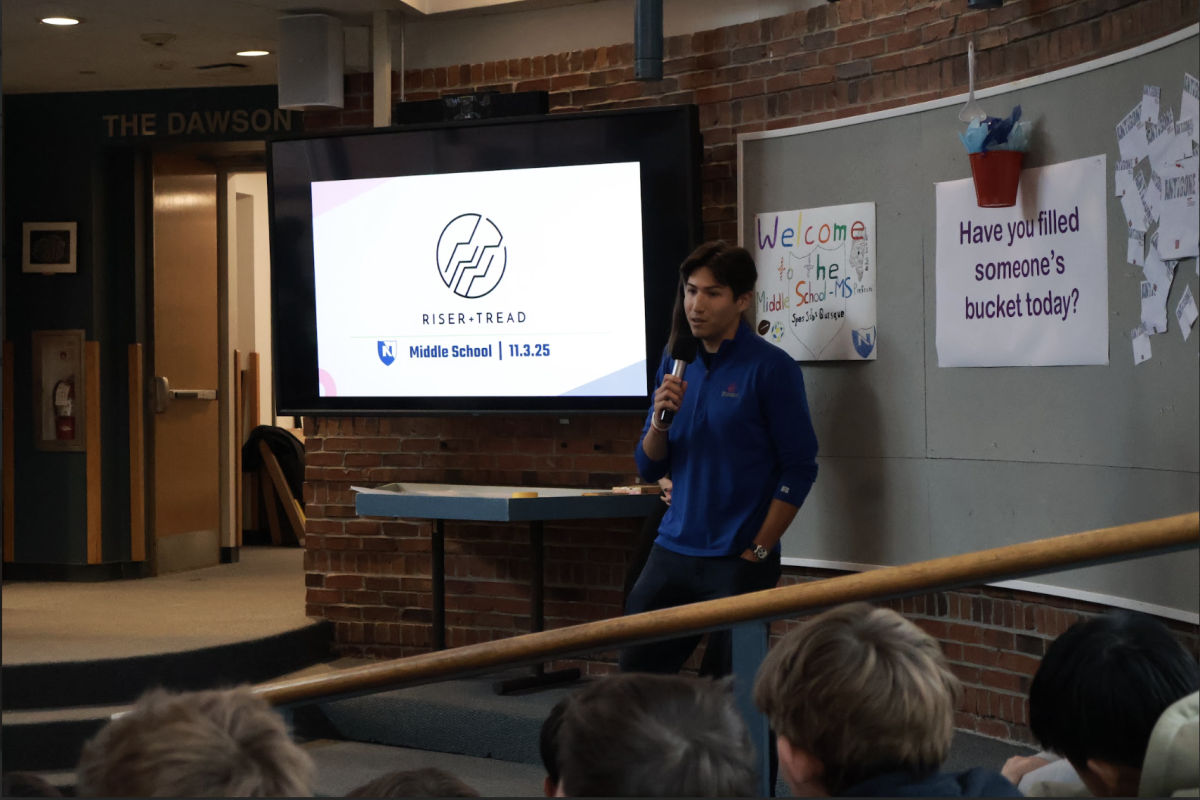
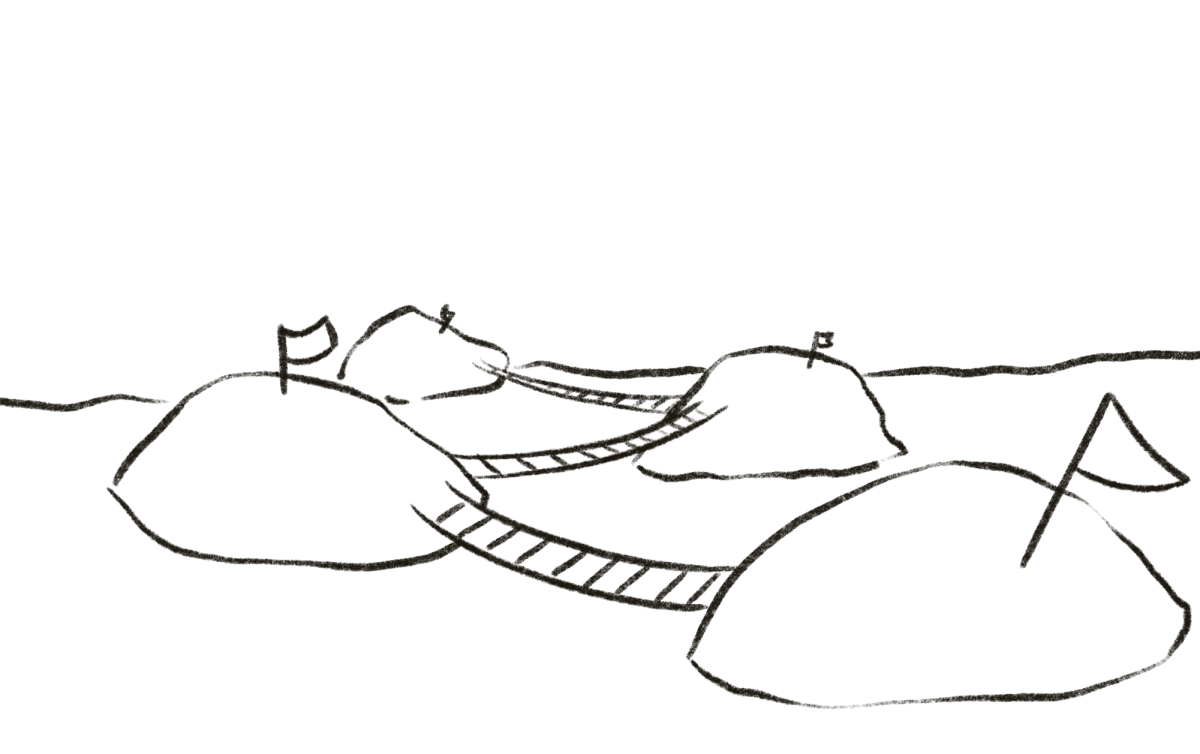
However, the assembly presentation on the course was a point of confusion for many; it presented the image containing the new system, but not the motivations or the rationale. “Had I not been in a computer science class, I wouldn’t have really known what the presentation was really about,” Smith said. The truth is that the full motivation and strategic development of this new system cannot fit into a five-minute time slot during assembly. The likely factor is simply just groggy teenagers at 8 a.m., which means some may not have been giving it their full attention.
By combining the programming and robotics classes into a single course, students can gain introductory experience across several facets of computer science. “What the teachers learned was it made it easier for students to follow their own path, and not necessarily a heavily structured one,” Shumway said. In a rapidly changing technological world, the way computer science is taught and understood is constantly evolving. Nobles ultimately aims to prepare students for the world beyond the campus gates and equip them with the skills they will need to succeed.