




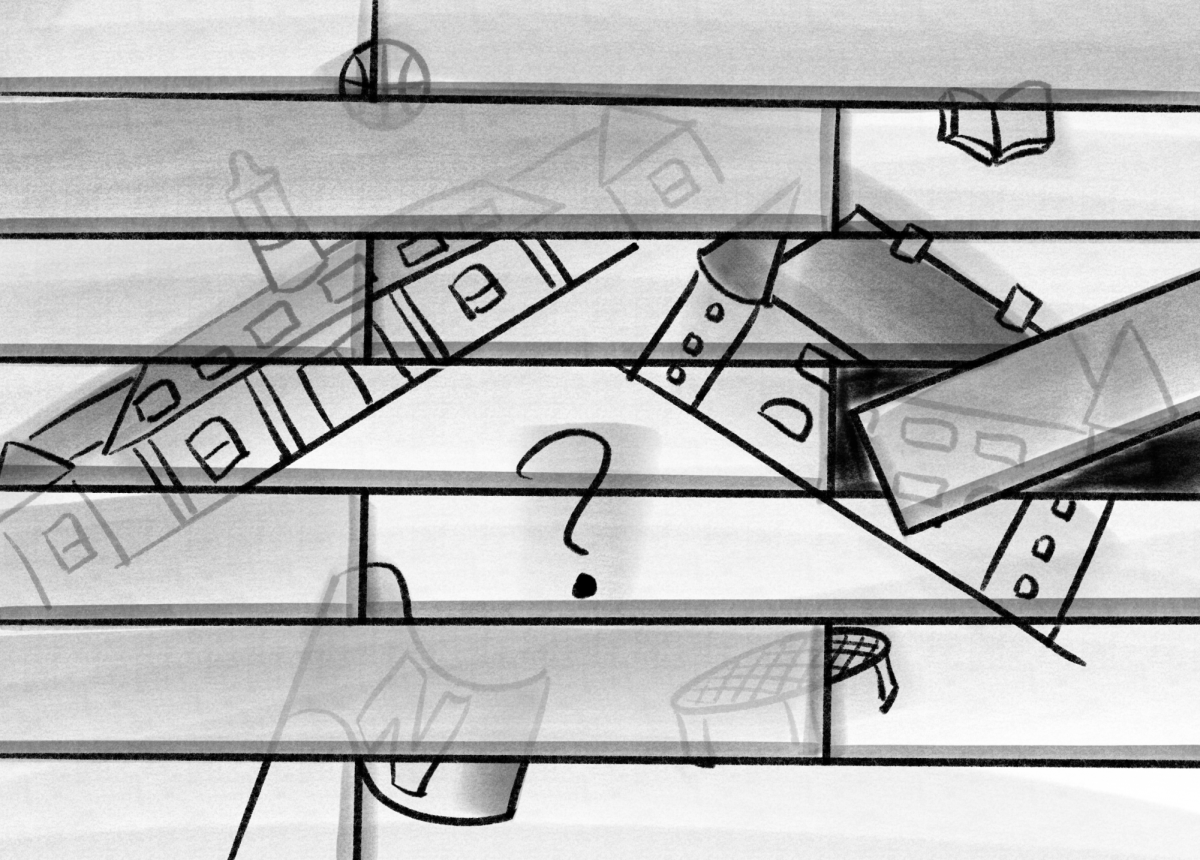




Every year, students passionate about both Model United Nations (UN) and Mock Trial face a tough decision: focus on fully preparing for one, or risk missing important competitions for the other if they participate in both. Nobles’ current policy, which prohibits students from participating in both Model UN and Mock Trial if doing so would require missing multiple school days within the same academic cycle, is intended to balance academics and extracurricular commitments. However, it has sparked frustration among students who see it as limiting valuable opportunities.
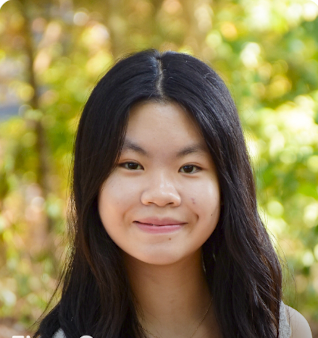
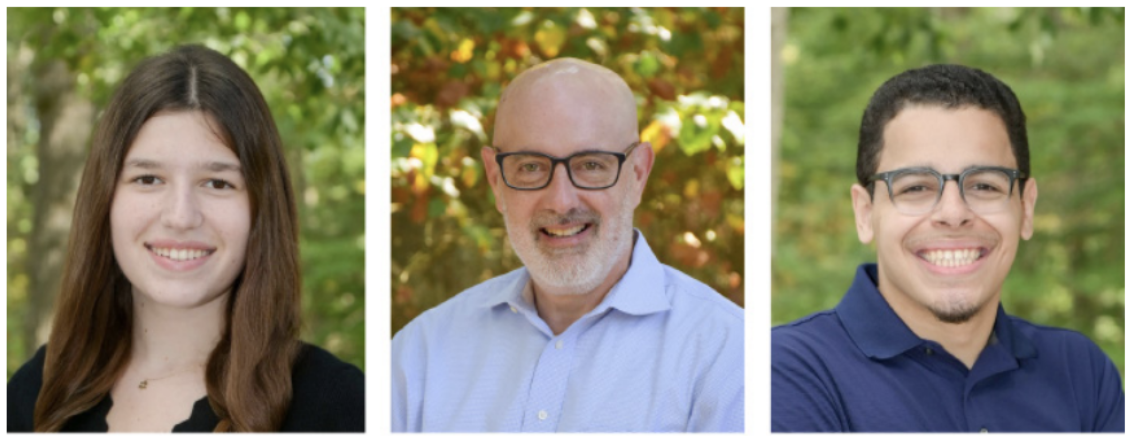
Lara Sahagun (Class I), president of both Model UN and Mock Trial, emphasizes the policy’s impacts on students’ preparation and experience. “We had kids who had trained for nearly two months and then were unable to participate in the trial … We ended up having some people take on multiple roles,” she said. Although Sahagun is president of both, the policy applies to all participants, and the determining factor was the number of school days she would ultimately miss for both competitions.
Mock Trial’s faculty advisor, History and Social Science Faculty Beth Reilly, understands that it can be frustrating for students who have spent months or even years preparing. “I feel sad for the kids who can’t do both. They prepare for these big moments and do not get a chance to shine, and the school does not get to put forth its strongest, best team that it could,” she said.
The administration expressed understanding while also explaining the rationale behind this policy. Dean of Faculty Maura Sullivan coordinates these two clubs. She said, “We really try to monitor how much school kids miss. It’s meant to protect students from falling behind and to reduce the burden on teachers. It’s not intended to be punitive.” She also notes that competition timing can be tricky to predict, as both Model UN and Mock Trial competitions often require students to miss school.
Other students echo Sahagun’s frustration. Lucy Wildeman (Class III), a participant of Model UN, said, “People put so much time into both programs, and they should be allowed to participate in both.” She notes that both activities require months of preparation and effort. “It’s like training for a big tournament: you prepare for months, and then suddenly you’re told you can’t compete in one because of arbitrary scheduling,” she said.
Even students who are interested in only one of these clubs share a similar sentiment. Anran Liu (Class I), a participant in Model UN, said, “I don’t personally think there should be a rule … A lot of my friends do both Mock Trial and Model UN, and they don’t want to have to choose between them.”
Reilly acknowledges the difficulty of balancing student involvement with academic obligations. “It’s really hard to create a policy that works for everyone … missing multiple classes can be disruptive, and we try to make sure students can manage their academics while participating in extracurriculars,” she said. She emphasizes that it can be hard for teachers, too. “It does put a burden on teachers. Most kids will end up coming and wanting to meet with teachers or reschedule tests they have to miss. It’s really hard for teachers to manage everything, too,” Reilly said.
Although it’s best to put the strongest possible team to compete, Reilly also emphasizes fairness. The club uses a rotation system, in which other kids are given the opportunity to participate in the competitions if a student is passionate about both but cannot do so because of the policy. “The rotation system gives other students opportunities if the same high-performing students are involved in multiple clubs,” she said.
The administrators are trying to balance the complexity of both students’ interest in extracurricular involvement and the need for adequate academic support without adding too much pressure on students and faculty. Students, however, feel the policy could be more flexible. Wildeman said, “It’s inconsistent … sometimes students are allowed to do both, and sometimes not. If students are prepared and responsible, they should be able to participate in both programs without penalty.” Sahagun suggested that clearer communication and advance notice could help. “Next year, kids shouldn’t have to pick and choose. The administration could set a clear and timely guideline so students can plan accordingly,” she said.
Both students and faculty agree that Model UN and Mock Trial are valuable educational experiences, but the tension arises when Nobles struggles to balance both pursuits with equal academic instruction for all. “A lot of kids have the same interests. Forcing them to pick one over the other doesn’t make sense. They can succeed in both if they’re given the chance and support,” Sahagun said.
For now, students must carefully weigh the choice between Model UN and Mock Trial, balancing dedication, preparation, and school responsibilities. The school community continues to discuss ways to better support students who want to pursue multiple challenging and enriching extracurriculars, even as the current policy remains in place.