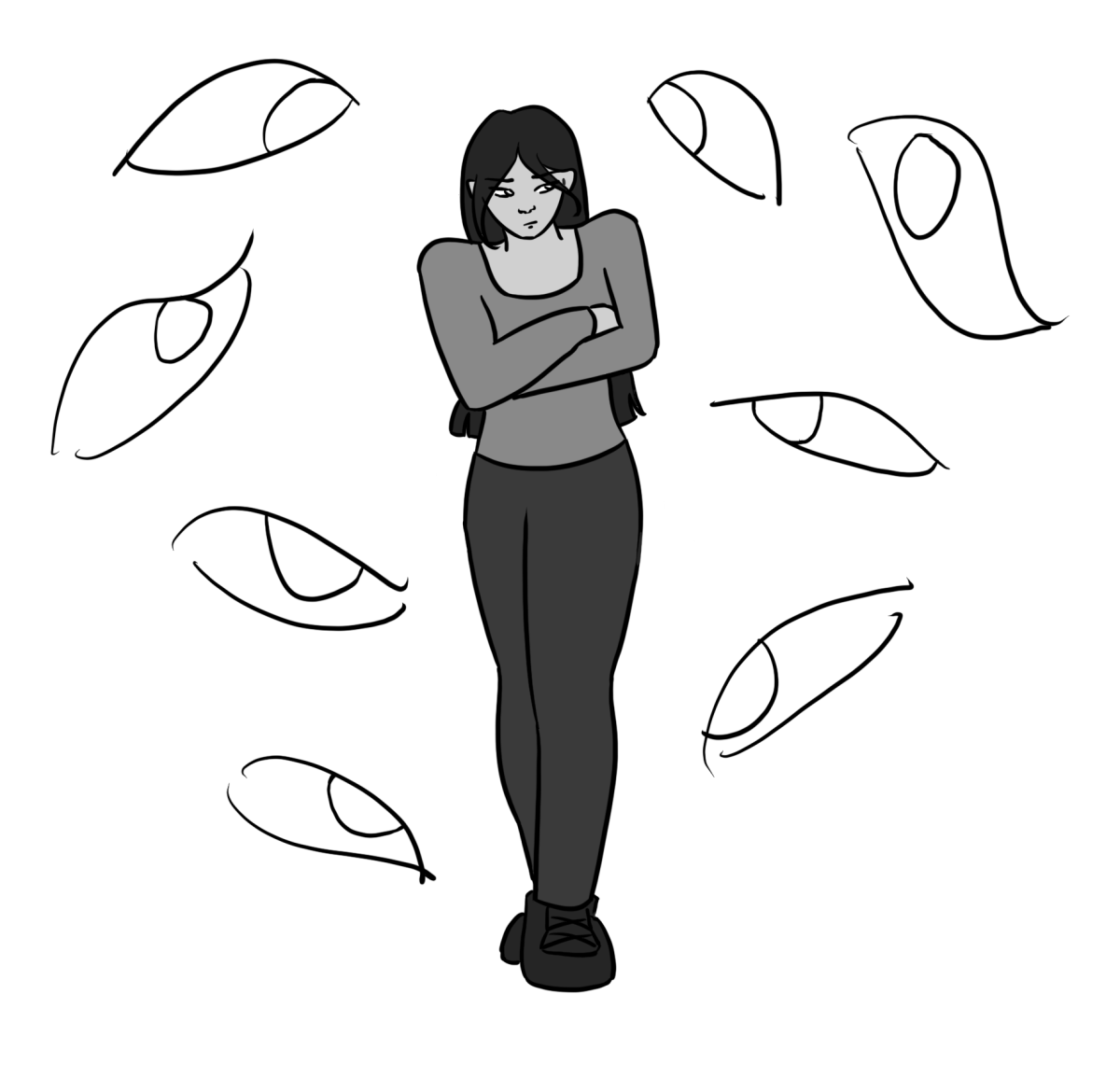


















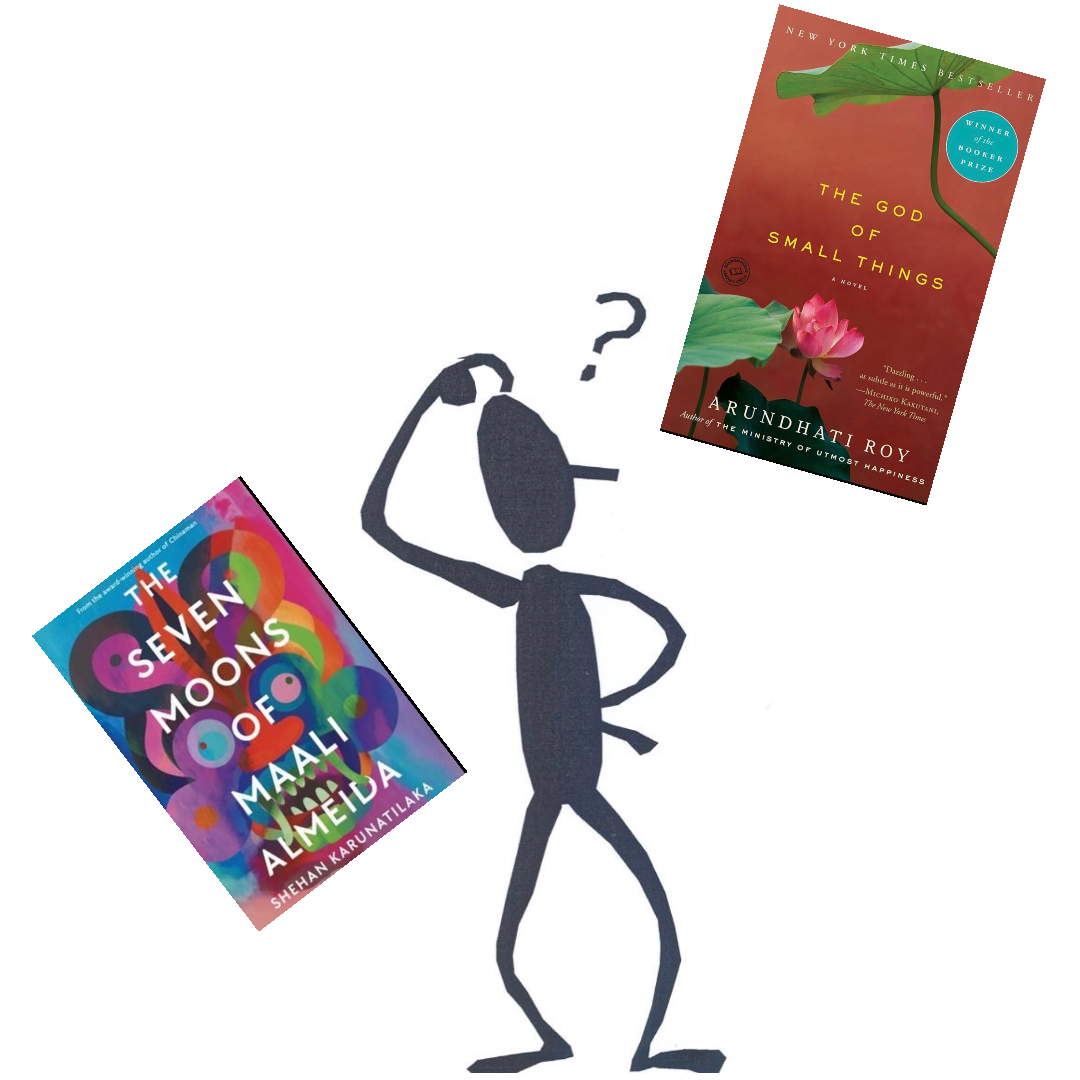
When people think back on the hardest courses or tests they’ve taken at Nobles, most point to a brutal math test that seemed like the end-all be-all of their existence, or a physics unit so confusing that it made them want to travel back in time and have a serious chat with an infant Newton. English class, however, is rarely included in these conversations. Maybe it’s because people believe the essays and testing aren’t as difficult as other courses, but the subject matter itself is incredibly challenging. Take The God of Small Things (TGOST) by Arundhati Roy, for example. Every current junior and senior has read it, and despite its brilliant depiction of grief and postcolonial India through the lens of generational trauma, it’s an incredibly disturbing and uncomfortable book. Some students encounter this material and write off the problematic scenes as intended to just provoke a reaction. “Students will encounter the material in an immature way and not look to understand what’s going on within the text,” English Faculty Charles Danhof said. Thus, they don’t challenge themselves to understand the text, and therefore do not perceive the difficulty of the course. These books, however unsettling, are included in the curriculum for a reason.
Danhof has been teaching at Nobles for 23 years and, for some years, has taught TGOST to Class II. “The scenes that might be shocking are not just there randomly. They’re serving a really solid purpose that Roy has in how people deal with trauma and challenging situations,” Danhof said. He also emphasized that it’s important to remember these characters are dealing with thousands of years of history and trauma, which results in the uncomfortable imagery in the text. “The opportunity to talk about challenging and graphic material is so important,” he said. “Students are already reading the news, playing video games, and watching media that pushes the bounds of what’s appropriate,” he said.
English Department Chair Jessica Brennan had her own thoughts regarding the formulation of the curriculum. “It’s not about my taste and what I like. [The books have] to work with our school mission,” she said. “Sometimes we forget that English is also an academic discipline. When we’re reading in the classroom, we’re reading for a different purpose. It’s not just about pleasure or personal taste,” she said. This is particularly true, and it brings back the idea that English is rarely regarded as the most challenging subject due to a lack of understanding of how to approach the text. “I think of a book as a laboratory for human nature,” she said. The ideas and trauma present in these books can be difficult to grapple with, but reminding ourselves that we are seeking to understand and push ourselves puts the content in perspective. “By seeing how people react in very hard situations, we might develop a little bit of empathy,” Brennan said.
Eric Van Otterloo (Class I) read TGOST in his junior year. “Sometimes I wonder if the graphic scenes are necessary for the purpose of class. Why do I need to hear about every detail of a character being sexually assaulted? I felt as if this book wasn’t necessary for me to improve on my skills within the class, and I feel like a lot of people share that same sentiment,” he said. Emmet Chen (Class II) shared his own perspective. “From a literary perspective, TGOST is pretty derivative. It’s copying many of the same motifs and stylistic choices of Irish modernists, such as James Joyce, and seems to be an attempt to translate Joyce’s work about growing up in the context of rising nationalism, sexual exploration, etc., from Ireland to the Indian subcontinent,” he said. “Roy lacks some of the finesse that Joyce and his contemporaries had in their allusive language.” He described Roy’s allusions as often surface-level and that they touch only on traditionally studied works. Sometimes, this shortcoming dilutes her intention to create mystique or tension. “[Her use of] non-traditional syntax, sentence structure, and exploration of quite taboo sexual themes makes the book an interesting read, no doubt,” Chen said.
English class can be uncomfortable, but that’s the intention. Books like TGOST aren’t flawless examples of literature, but they offer readers a window into the hardships of life. And for this reason, they are included in the curriculum intentionally, to push and challenge readers to deal with situations outside their comfort zone.